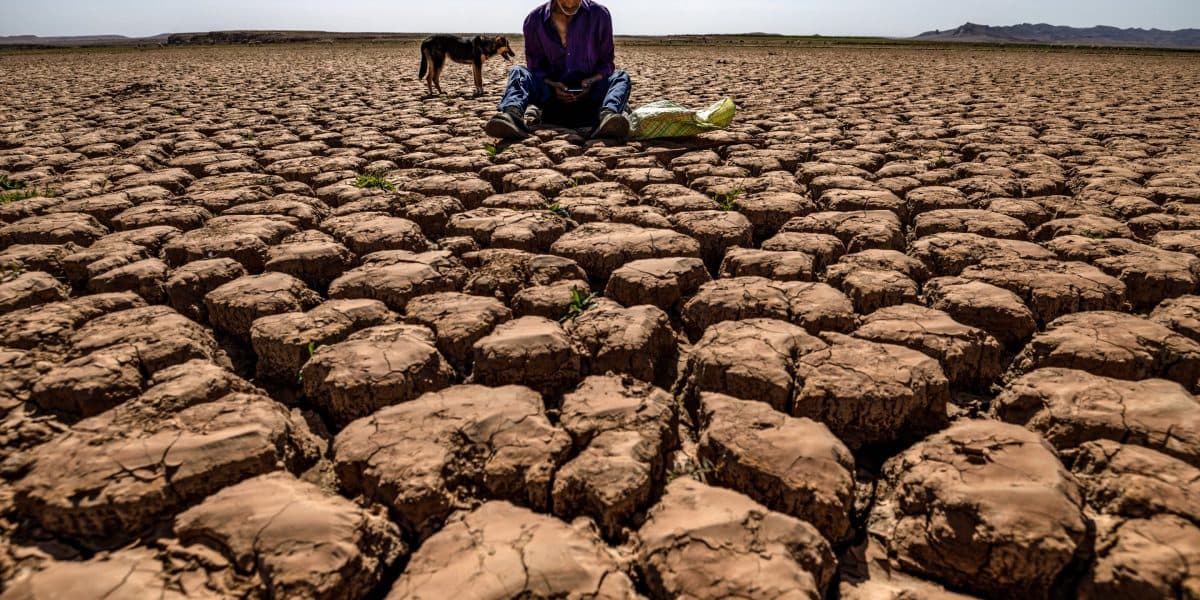
Photo via Fortune
According to Fortune, climate researchers are increasingly confident that 2027 will rank among the warmest years ever recorded, potentially surpassing 2024's record-breaking temperatures. The projected year would mark a significant climate milestone, coming in at approximately 1.5 degrees Celsius above pre-industrial baseline measurements. For Dalton-area business leaders, understanding these climate projections can inform planning around energy demand, supply chain resilience, and operational adjustments.
The anticipated 'super' El Niño event is a rare oceanic and atmospheric phenomenon that occurs when warm water patterns in the Pacific Ocean intensify beyond typical conditions. These events have historically influenced global weather patterns, precipitation levels, and temperature extremes across multiple continents. Businesses in the Southeast, including those in the flooring and carpet manufacturing sectors that dominate Dalton's economy, have historically faced impacts from unusual weather patterns affecting both operations and transportation networks.
The implications for regional industries warrant attention from local stakeholders. Energy consumption typically spikes during extreme temperature years, while logistics and distribution networks may face disruptions from severe weather events. Real estate and agricultural businesses should also monitor these projections, as climate patterns influence property values, crop yields, and resource availability throughout Georgia and the broader Southeast.
Business leaders in Dalton should consider these climate forecasts as part of their long-term risk assessment and operational planning. Consulting with industry peers and climate experts about adaptation strategies—from energy efficiency investments to supply chain diversification—may help companies navigate potential disruptions. Early preparation based on scientific projections can provide competitive advantages during periods of environmental volatility.