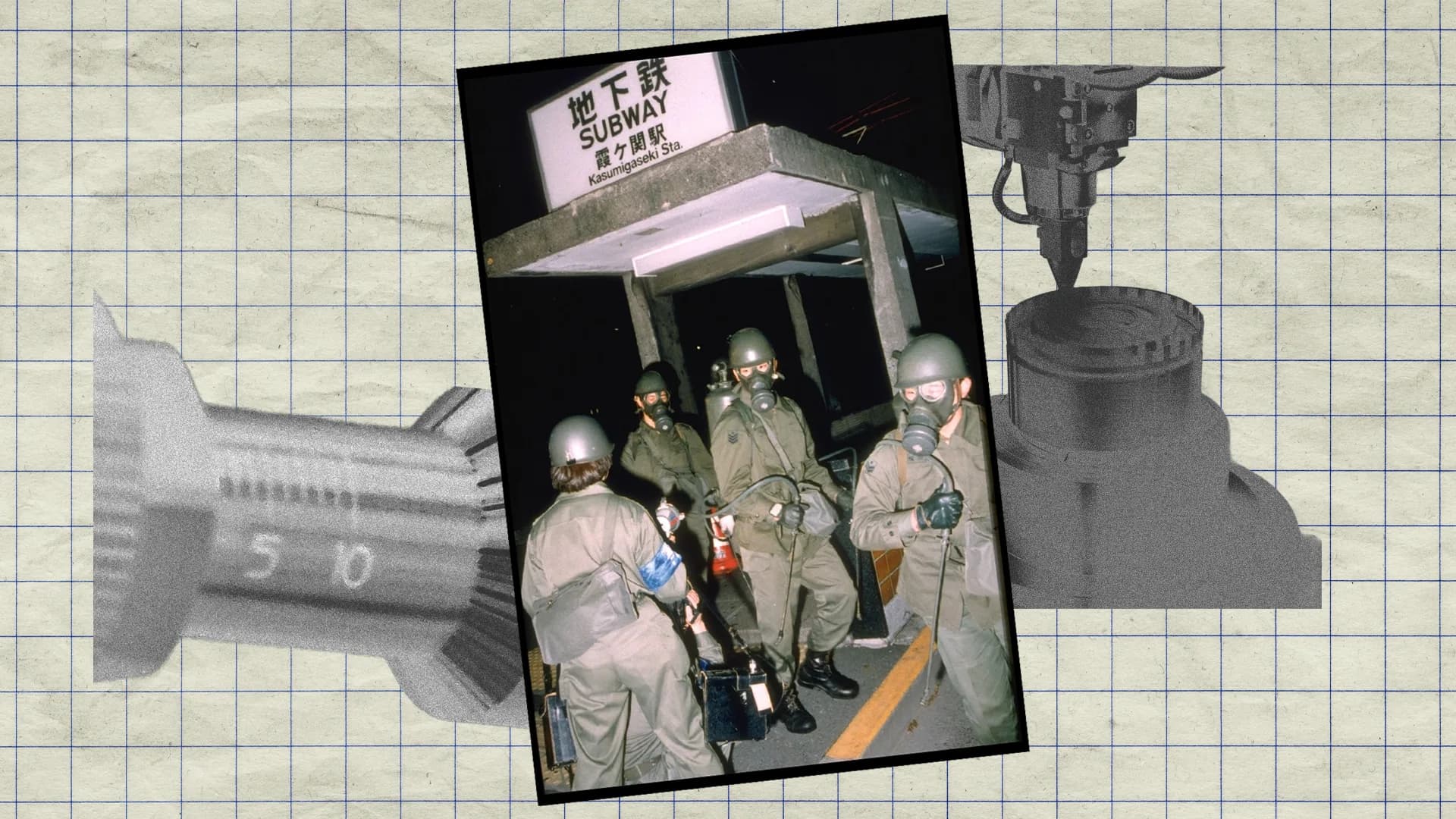
Photo via Inc.
According to Inc. magazine, in 1995 a Japanese doomsday cult known for a deadly sarin gas attack in Tokyo's subway system attempted to purchase a $400,000 laser system from a Silicon Valley technology manufacturer. The incident underscores a critical vulnerability in the technology supply chain: the challenge of vetting customers before high-value equipment sales, particularly when buyers operate across international borders.
For technology firms selling specialized equipment—whether lasers, manufacturing systems, or industrial tools—customer verification represents both a compliance obligation and a business risk. The incident raises important questions about what due diligence processes were in place during the mid-1990s and whether modern sellers of advanced technology have implemented adequate safeguards to prevent similar situations.
Today's technology companies face heightened scrutiny from regulators and law enforcement regarding dual-use equipment—systems with legitimate commercial applications that could potentially be misused. The case serves as a historical reminder that technological capability without proper guardrails can create unintended consequences, making background checks and customer vetting essential business practices.
For Dalton-area manufacturers and technology suppliers working with specialized equipment, the lesson is clear: establishing robust customer verification protocols protects both your company's reputation and public safety. Whether your firm sells industrial lasers, textile machinery, or other advanced technology, implementing comprehensive due diligence procedures should be considered a standard business requirement, not an optional extra step.