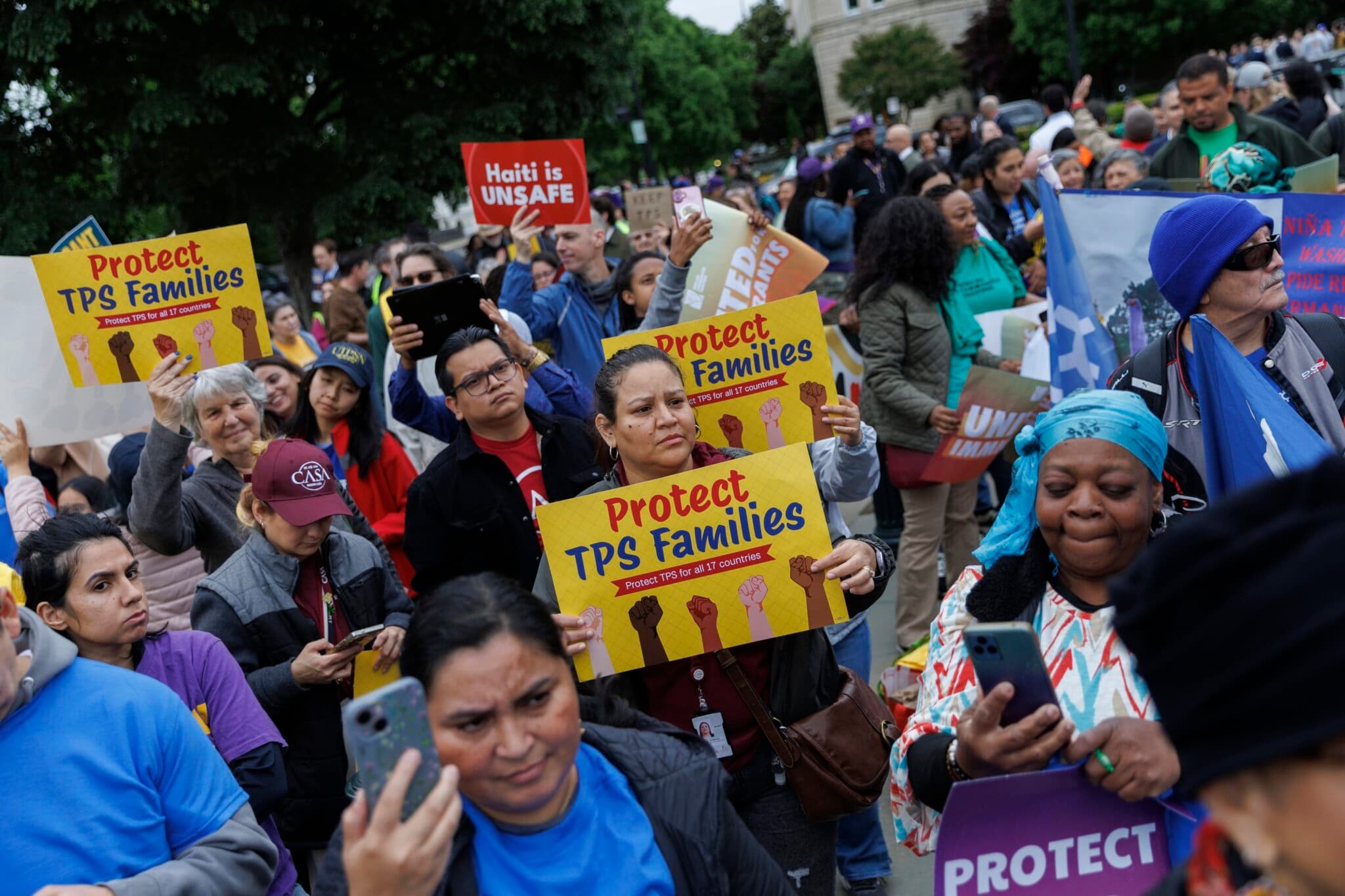
Photo via Georgia Recorder
The U.S. Supreme Court issued a significant ruling this week that permits the Trump administration to revoke temporary legal status protections for approximately 350,000 Haitian immigrants and 6,000 Syrian nationals, according to reporting from the Georgia Recorder. The 6-3 decision effectively removes legal barriers that previously shielded these populations from deportation, potentially triggering major shifts in labor markets across multiple sectors.
For Dalton-area businesses, particularly those in manufacturing, logistics, healthcare, and hospitality sectors that have historically relied on immigrant labor, the ruling could create workforce complications. Companies across northwest Georgia may face recruitment challenges, increased operational costs, or supply chain disruptions if significant portions of their workforce face deportation. Human resources professionals and industry leaders should begin assessing their workforce composition and developing contingency staffing plans.
The broader implications extend beyond immediate hiring concerns. Businesses dependent on immigrant workers may need to evaluate wage competitiveness, workplace policies, and community relationships as the legal landscape shifts. Industry associations and chambers of commerce in the region may play a critical role in helping members navigate compliance requirements and workforce planning during this transition period.