Photo via Georgia Recorder
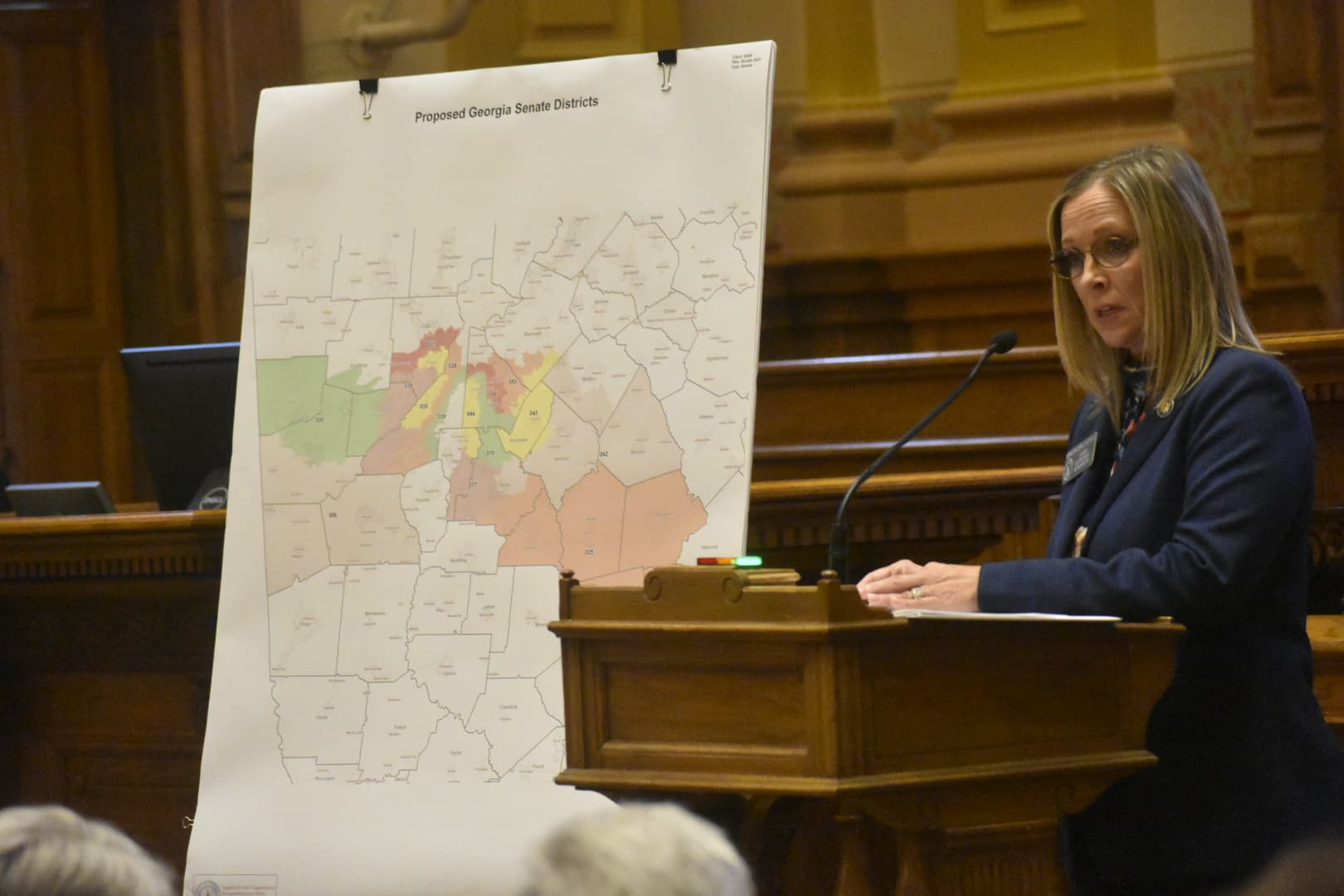
The U.S. Supreme Court's recent ruling substantially weakening a critical provision of the 1965 Voting Rights Act has set off immediate political reverberations in Georgia. According to the Georgia Recorder, prominent Republican lawmakers have already begun discussions about redrawing the state's political maps in response to the decision. For Dalton-area business leaders, changes to electoral maps can influence the composition of local and state legislative bodies that directly impact business regulation, tax policy, and economic development initiatives.
Democrats have strongly opposed the Supreme Court's action, arguing that the decision undermines protections for minority voter representation nationwide. According to reporting on the decision, critics contend that weakening this cornerstone of voting rights legislation creates risks for fair representation across diverse communities. This partisan divide reflects broader concerns about how electoral districts are drawn and who holds legislative influence over business-friendly policies.
The timing of Republican calls for redistricting suggests momentum may build quickly for map redrawing efforts in the Georgia General Assembly. Such redistricting processes typically occur following census data collection, but the court's ruling may accelerate discussions about interim adjustments. Business stakeholders in Northwest Georgia should monitor how these political shifts might affect state-level decisions on workforce development, infrastructure investment, and industry-specific regulations that touch the region's traditional manufacturing and logistics sectors.
As this issue develops, Dalton business leaders and the broader Georgia business community would be wise to engage with their elected representatives about how any redistricting changes might support stable, predictable regulatory environments. The intersection of voting rights, political representation, and business policy underscores why local business voices matter in statewide conversations about fair representation and equitable governance.