Photo via Georgia Recorder
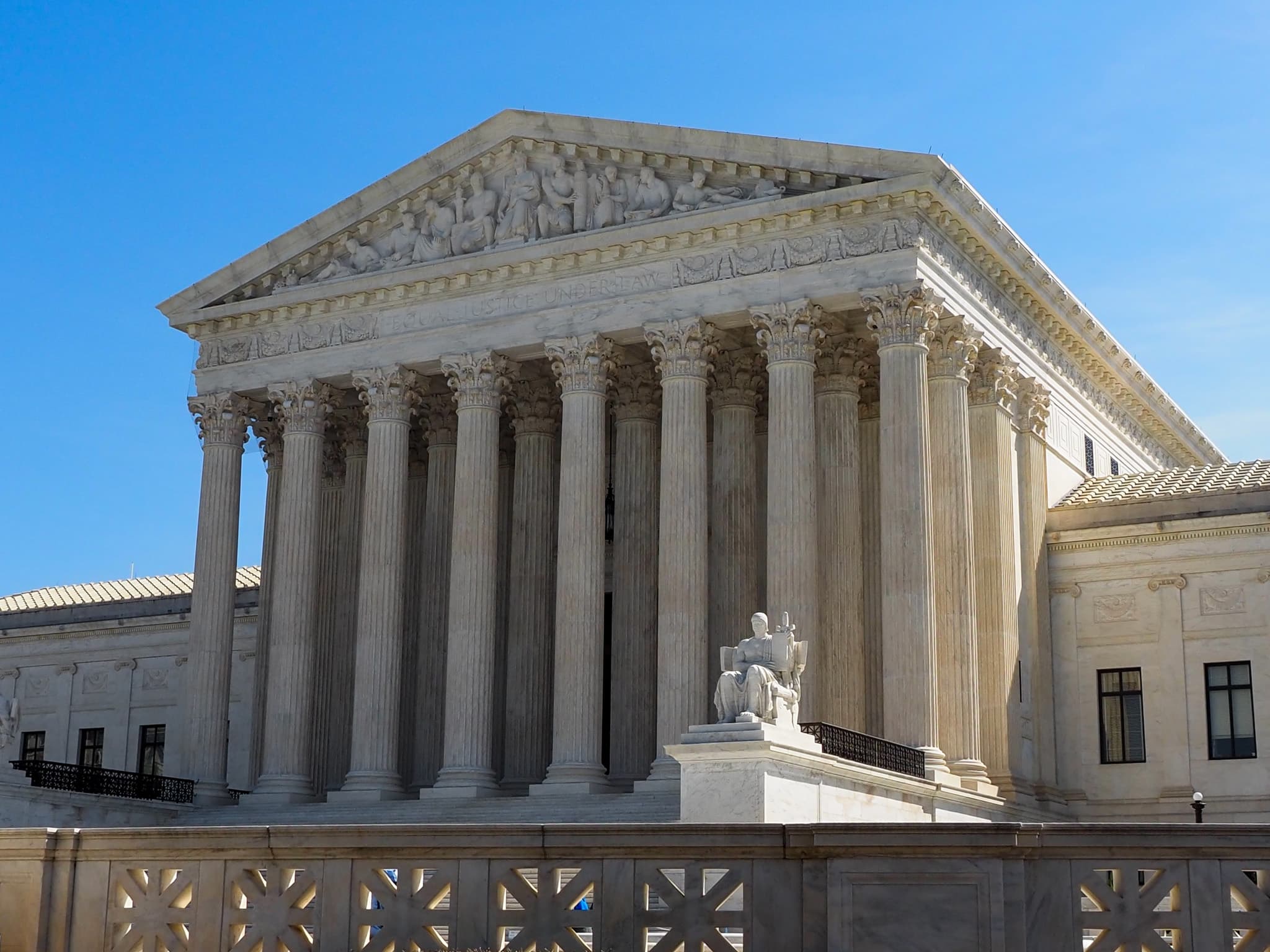
In a significant Fourth Amendment decision, the U.S. Supreme Court ruled Monday that law enforcement agencies must secure a warrant before accessing cellphone location data from crime scenes, according to Georgia Recorder. The ruling establishes that digital location history is protected constitutional territory, not freely available to police investigations without judicial oversight.
The decision carries practical implications for Dalton-area businesses, particularly those in logistics, retail, and security sectors that may interact with law enforcement or utilize location-tracking technologies. Companies managing fleet vehicles, employee movements, or customer data will need to reassess their data-sharing protocols with authorities and ensure compliance with the new warrant requirements.
However, the Supreme Court left a critical question unresolved: when exactly warrant-backed location searches become reasonable. According to Georgia Recorder, this ambiguity suggests the justices will likely revisit the issue in future cases, meaning Dalton business leaders should monitor ongoing legal developments to understand how police access to location data may evolve and affect their operations and privacy practices.