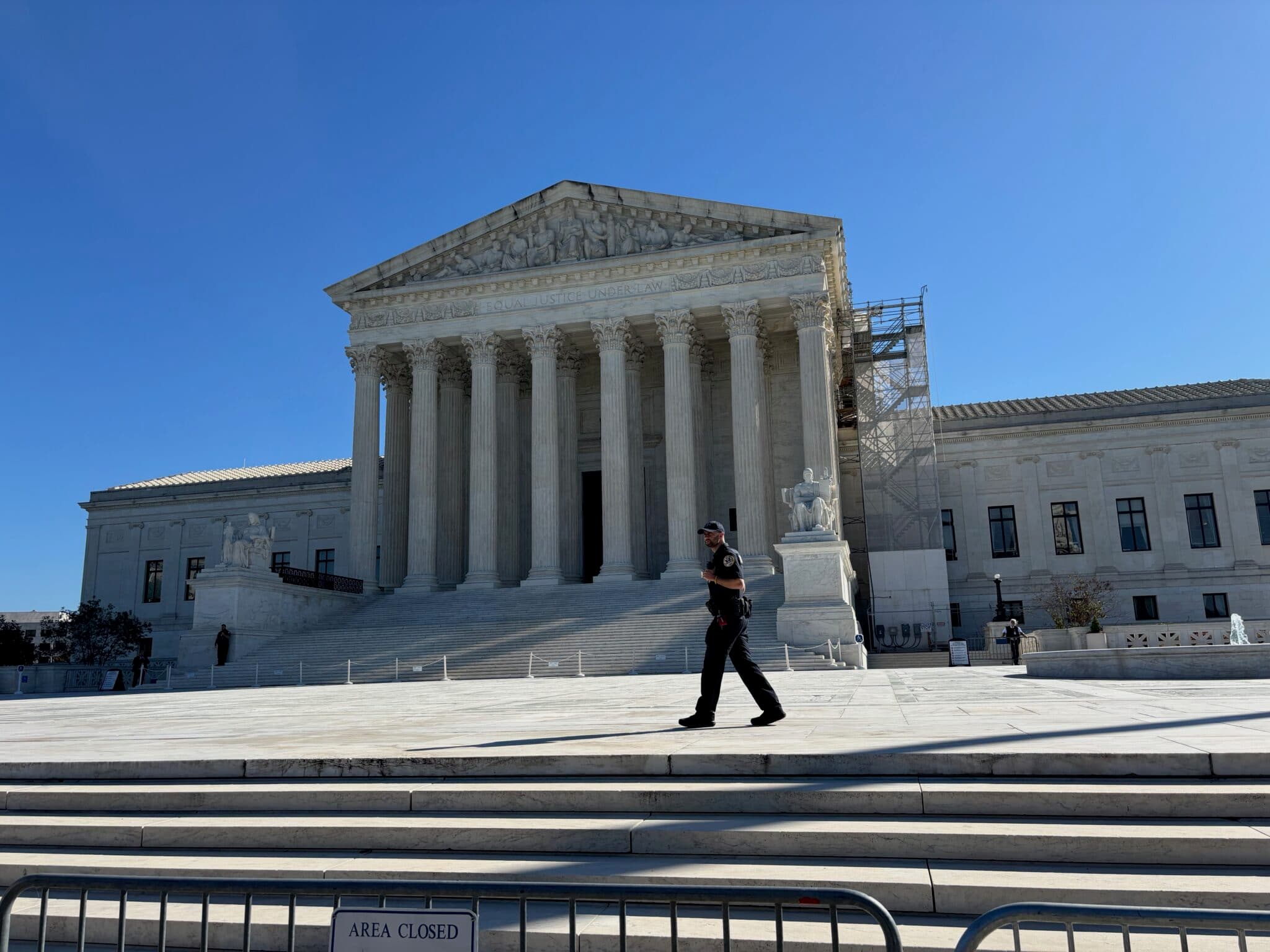
Photo via Georgia Recorder
In a significant ruling for the agricultural industry, the U.S. Supreme Court has determined that state courts cannot impose liability on pesticide manufacturers for alleged labeling deficiencies, according to the Georgia Recorder. The 7-2 decision shields companies like Monsanto from state-level lawsuits by establishing that federal law provides the primary regulatory framework for such products. This ruling eliminates a pathway that plaintiffs had previously used to challenge pesticide safety warnings in state courts.
The case centered on a $1.25 million verdict issued by a Missouri court to a plaintiff who claimed long-term pesticide exposure caused cancer. The Supreme Court's decision effectively preempts state-level regulatory standards, meaning manufacturers must comply with federal labeling requirements set by agencies like the EPA, but state courts cannot impose additional liability for alleged labeling shortcomings. For Georgia's agricultural sector—including farmers, distributors, and crop management professionals—the ruling provides legal certainty around pesticide product liability.
The decision reflects broader tensions between federal regulatory authority and state liability law. While agricultural businesses may welcome reduced litigation exposure, environmental and health advocacy groups have expressed concern about the limitation on consumer remedies. For Dalton-area agribusiness stakeholders and those in related supply chains, the ruling clarifies the legal landscape but underscores the importance of staying current with evolving federal pesticide regulations and labeling standards.