Photo via Georgia Recorder
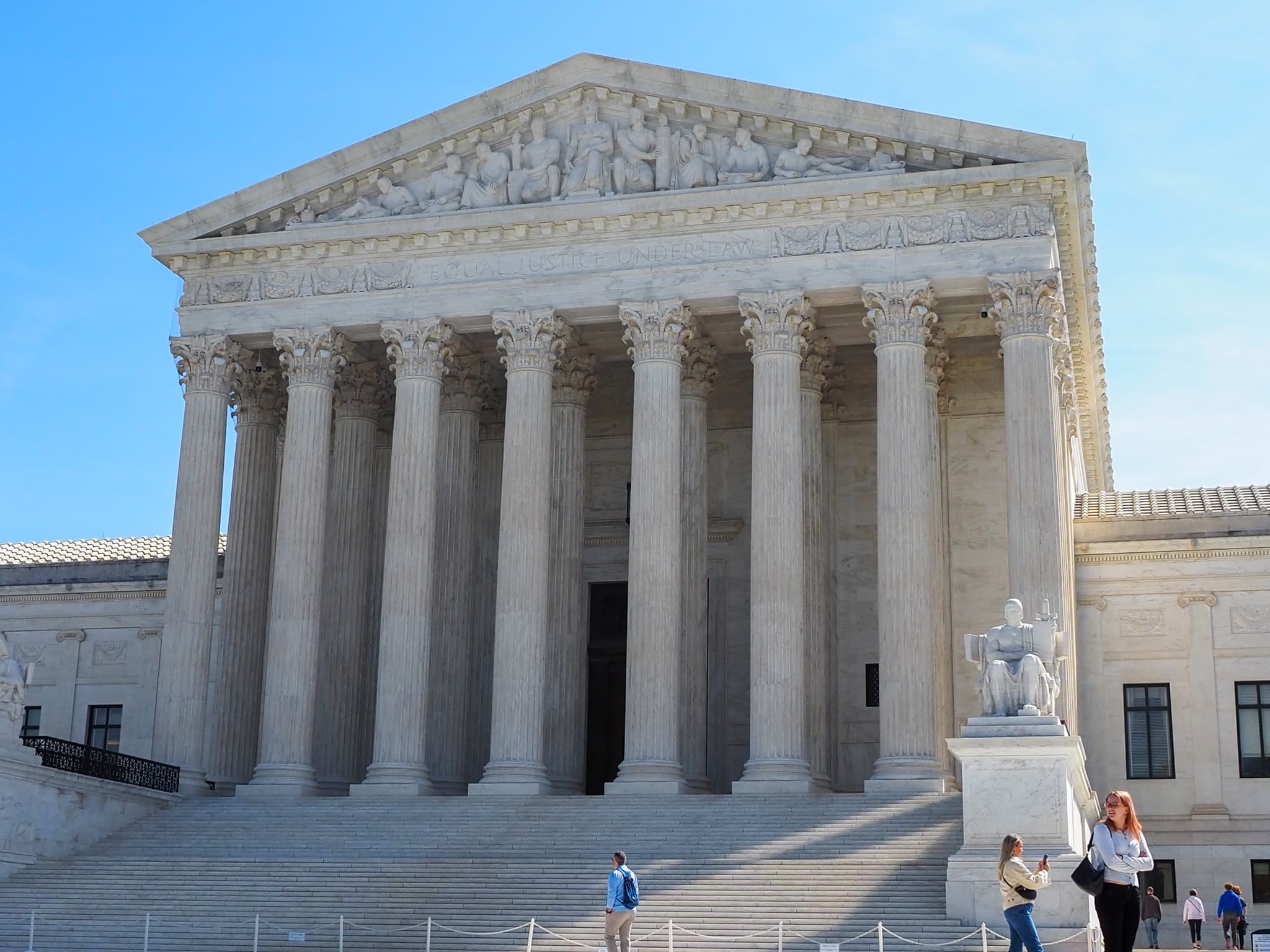
The U.S. Supreme Court's April 29 decision to significantly weaken provisions of the federal Voting Rights Act has reignited debate over the judiciary's role in American democracy. According to the Georgia Recorder, the ruling prompted fierce criticism from Democratic leaders who argue the conservative-dominated bench is overreaching its constitutional authority.
House Minority Leader Hakeem Jeffries characterized the court's conservative majority as 'illegitimate,' asserting that the institution has become a vehicle for political ideology rather than constitutional interpretation. His comments reflect growing frustration among Democrats who view recent Supreme Court decisions as increasingly partisan in nature.
The Voting Rights Act decision carries significance for Georgia and the Southeast, regions where voting access and election administration remain contentious issues. For Georgia businesses operating across multiple states, federal voting standards—or the lack thereof—could create a patchwork of regulatory requirements that affects employee voting access and civic participation initiatives.
Democrats are now pushing for structural reforms to the Supreme Court, including potential expansion of justices and term limits. These proposals remain controversial, but they signal how the voting rights decision has accelerated calls for fundamental changes to judicial oversight in the United States.