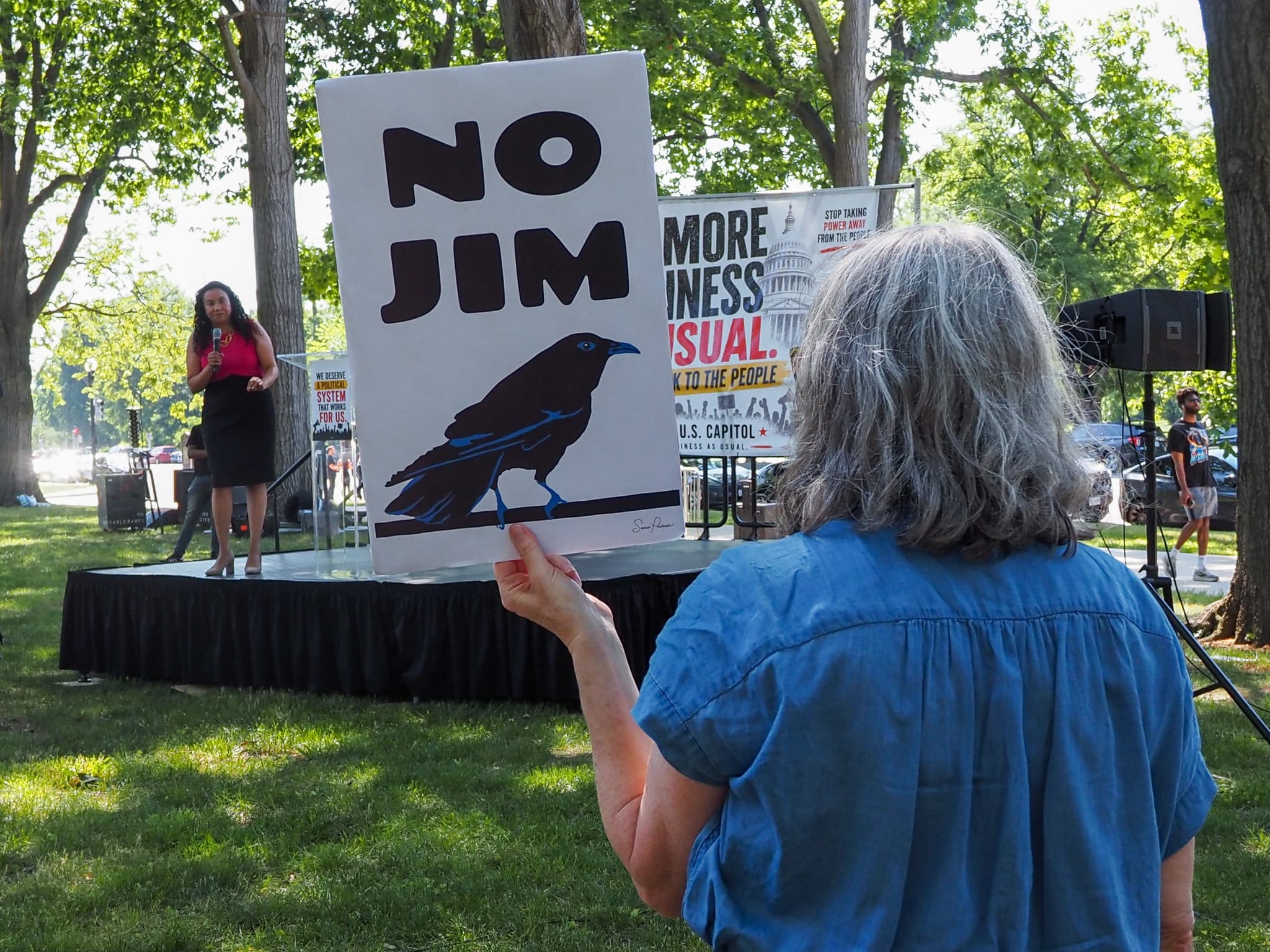
Photo via Georgia Recorder
The U.S. Supreme Court has issued a significant ruling that weakens key protections in the federal Voting Rights Act, according to Georgia Recorder. The decision in Louisiana v. Callais carries far-reaching consequences for how states and municipalities—including those in Georgia—will redraw electoral districts at every governmental level, from Congress down to local offices that directly affect business regulation and policy.
For Dalton-area business leaders, this ruling matters because local government composition influences tax policy, zoning decisions, infrastructure investment, and regulatory environment. When districts are redrawn, the political landscape shifts, potentially affecting which candidates and priorities gain influence at city council, county commission, and state legislative levels that shape business conditions.
Georgia, as a state that has previously faced voting rights scrutiny, may experience renewed pressure regarding how districts are configured. This could trigger political realignment across the state and region, with consequences for business-friendly policies, workforce development initiatives, and economic development projects that depend on stable political frameworks.
Dalton business stakeholders should monitor how state and local officials respond to this ruling over the coming months. Understanding shifts in political representation may help companies anticipate changes in regulatory priorities and identify opportunities to engage with newly configured local leadership on issues affecting the business community.