Photo via FreightWaves
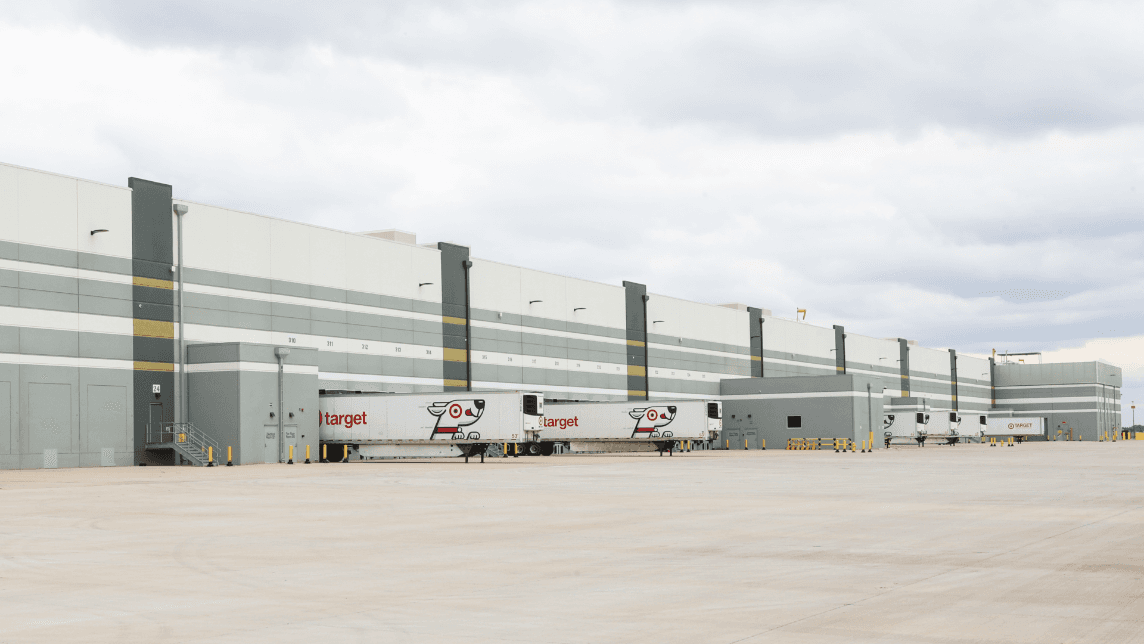
Target has opened a new $367 million food distribution center in Colorado, signaling the retailer's commitment to expanding its fresh food offerings and strengthening supply chain resilience. According to FreightWaves, the facility represents a significant capital investment aimed at supporting increased in-store food selection across Target's store network.
The expansion underscores how major retailers are reimagining their logistics infrastructure to compete in an era where food and grocery selection has become a critical differentiator. By establishing regional distribution hubs, large retailers can reduce delivery times, improve product freshness, and respond more quickly to consumer demand shifts—competitive advantages that smaller regional players must also consider.
For Dalton-area logistics and supply chain professionals, Target's investment offers insight into industry trends. The company's focus on dedicated food distribution reflects broader sector movement toward specialized facilities rather than consolidated, one-size-fits-all centers. This specialization creates opportunities for logistics service providers and equipment manufacturers who support these niche operations.
As national retailers like Target continue upgrading their supply chain capabilities, regional businesses should monitor how these infrastructure investments affect logistics costs, employment opportunities, and the competitive landscape. The shift toward more sophisticated, regionally distributed networks is reshaping how goods move to consumers and what capabilities logistics companies need to remain competitive.