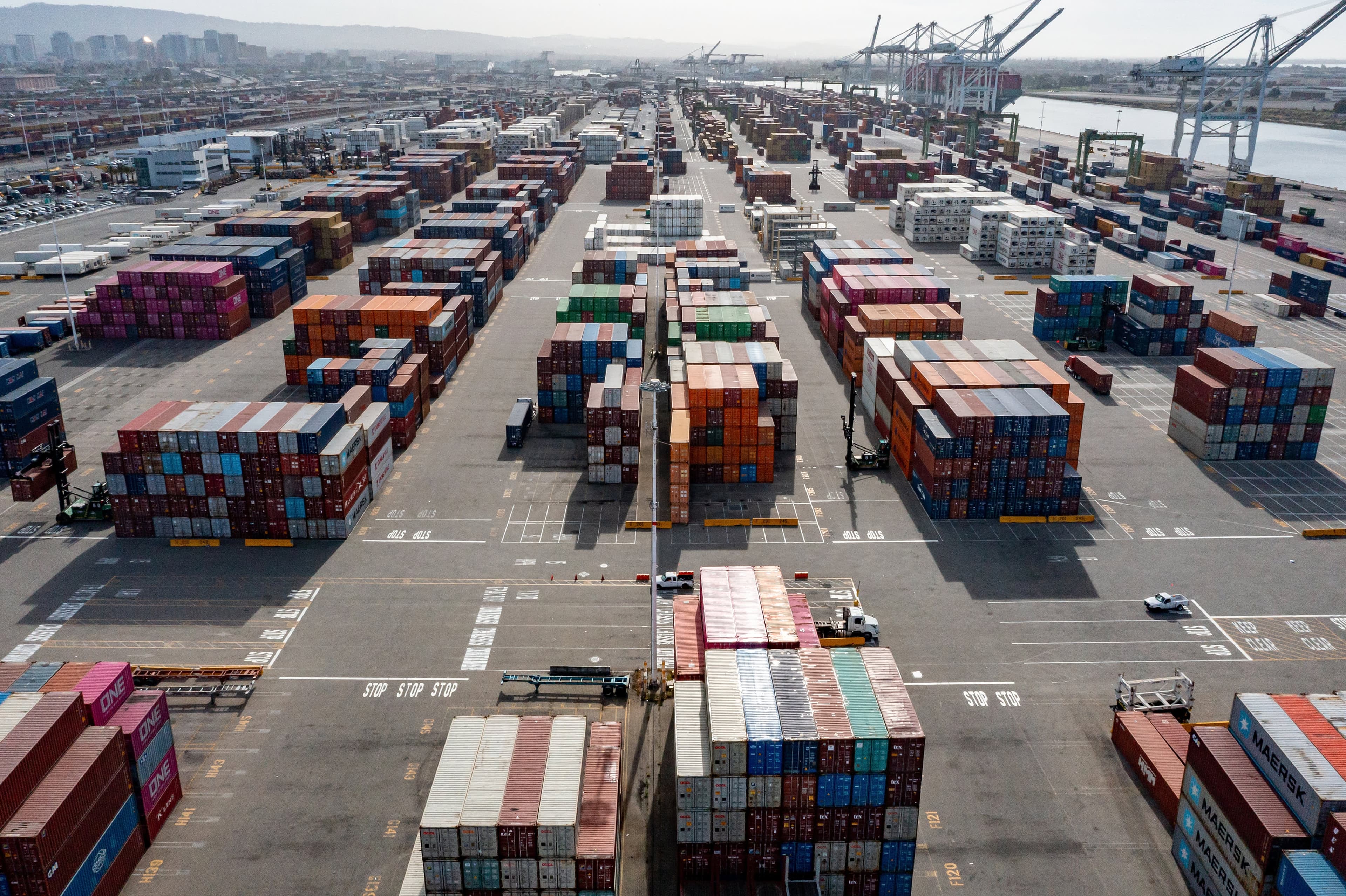
Photo via CNBC Business
A significant shift in U.S. trade policy is underway as the Supreme Court's recent ruling has declared some of President Trump's tariffs unconstitutional, opening the door for widespread refunds to American businesses. According to CNBC Business, the first tranche of these refunds has already begun arriving to affected companies across multiple industries. For Dalton-area businesses that faced tariff burdens on imported materials and goods, this development could provide meaningful financial relief and improved cash flow.
The Supreme Court's decision addresses concerns that certain tariffs were imposed without proper constitutional authority, affecting companies that had paid levies on imported products over recent years. Businesses in the carpet, flooring, and textile industries—sectors vital to the greater Dalton region—may see particular benefit from these refunds, especially those that import raw materials, dyes, and manufacturing equipment subject to the struck-down tariffs.
For small and mid-sized manufacturers throughout Northwest Georgia, tariff refunds could represent a significant opportunity to reinvest in operations, expand workforce capacity, or reduce costs for consumers. Companies that had absorbed tariff costs as a business expense now have the chance to recalibrate their financial strategies and potentially improve margins during what remains an economically uncertain period.
Business leaders in Dalton should begin reviewing their tariff payment records and consulting with trade compliance specialists to understand what refunds they may be eligible to claim. As details of the refund process become clearer, staying informed about deadlines and application procedures will be critical for maximizing recovery of tariff payments made in recent years.