Photo via FreightWaves
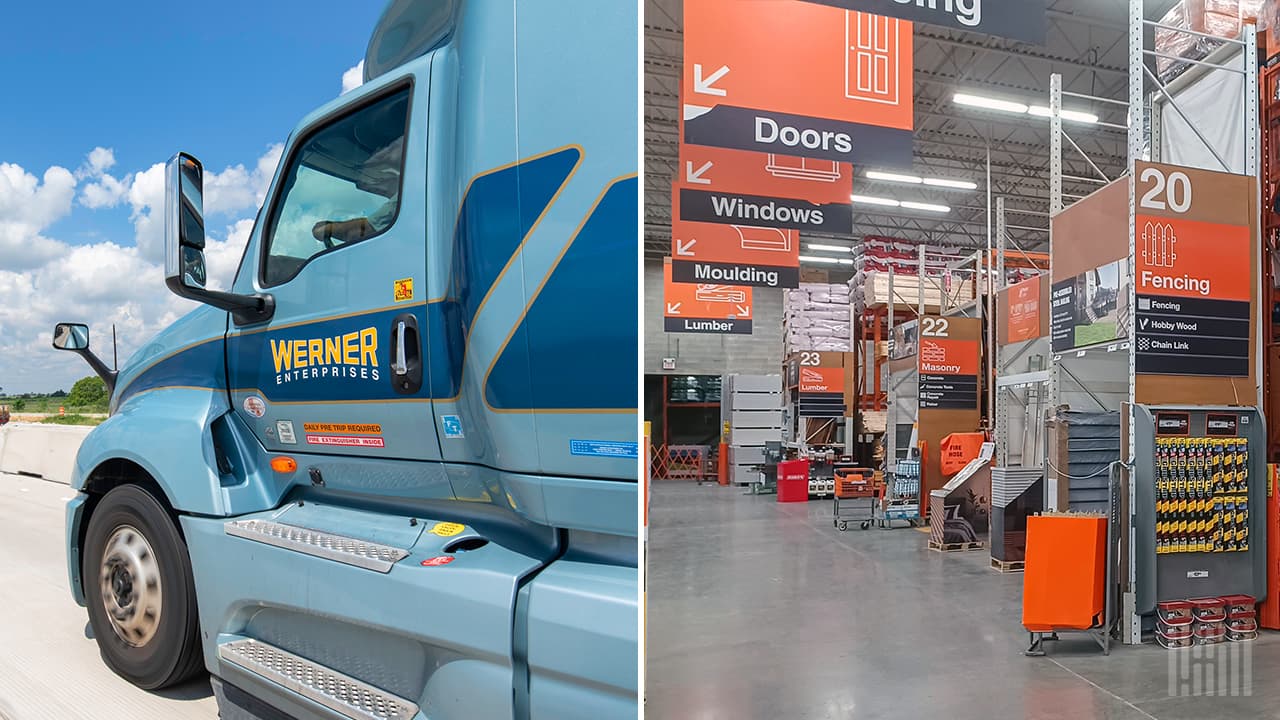
According to FreightWaves, the Texas Supreme Court has issued a ruling that impacts the broader conversation surrounding shipper liability in transportation contracts. The decision addresses a dispute involving major retailer Home Depot and carrier Werner Enterprises, settling a question that has generated considerable debate within the logistics industry.
For Dalton-area businesses involved in freight and logistics operations, this ruling provides important clarity on liability allocation between shippers and carriers. The decision essentially narrows the circumstances under which shippers can be held responsible for damages during transit, a distinction that affects how companies structure their shipping agreements and risk management strategies.
The court's determination comes at a time when the logistics sector continues to grapple with liability questions in an increasingly complex supply chain environment. As regional manufacturers, distributors, and retailers work with carriers to move goods, understanding these legal parameters becomes essential for protecting business interests and managing contractual relationships effectively.
Dalton businesses engaged in wholesale distribution, manufacturing, or retail operations should review their current shipping agreements in light of this ruling. Consulting with legal counsel about how shipper liability provisions align with the Texas court's decision can help ensure contracts reflect current legal standards and adequately protect company interests in freight transactions.