Photo via FreightWaves
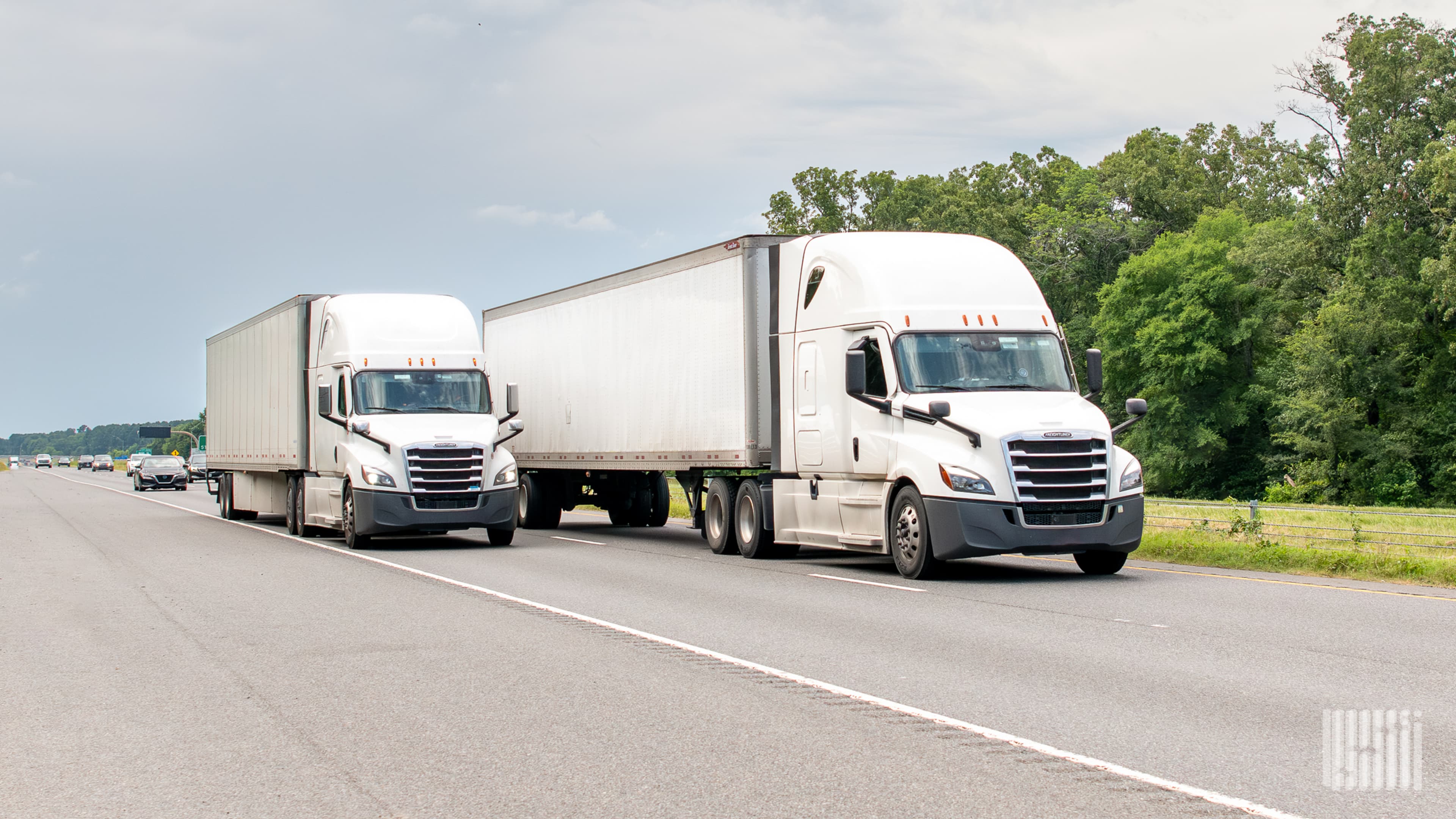
In a landmark ruling issued May 15, 2026, the Texas Supreme Court issued a decision with far-reaching consequences for shippers and logistics operators nationwide. According to FreightWaves, the court determined that shippers cannot automatically be held liable for accidents involving their contracted carriers, even in cases resulting in serious injury or death. The decision, In re Home Depot U.S.A., Inc., involved a fatal motorcycle crash with a Werner truck transporting company goods.
For Dalton-area logistics companies and retailers managing freight operations, this ruling clarifies an important legal boundary. The decision suggests that liability for carrier conduct rests primarily with the transportation provider rather than automatically extending to the shipper. This distinction is critical for businesses that outsource hauling and distribution to third-party trucking firms, a common practice in Northwest Georgia's supply chain ecosystem.
The implications extend beyond Texas borders. Georgia-based freight brokers, retailers, and manufacturers who contract with carriers across state lines should review how this precedent affects their risk exposure and insurance requirements. Legal experts recommend businesses consult with counsel to understand how similar principles might apply under Georgia law and in federal jurisdiction cases.
As supply chain liability becomes increasingly complex, this ruling underscores the importance for Dalton-area businesses to maintain clear contractual relationships with carriers and ensure adequate transportation insurance. Companies should document safety standards required of contractors and maintain compliance records, as these factors may influence liability determinations in future disputes.