Photo via Fast Company
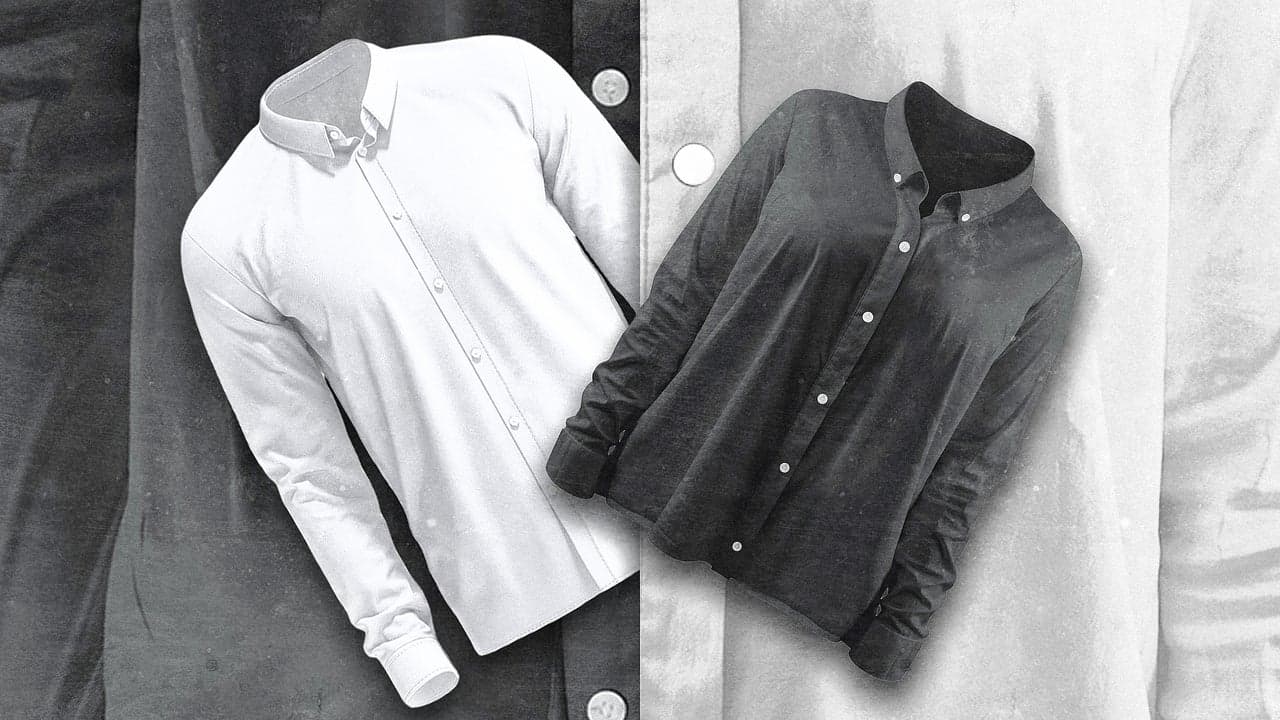
Next time you shop for apparel, take a closer look at a simple detail: which side the buttons or zipper runs on. There's a reason women's shirts typically button on the left while men's button on the right, and it traces back centuries to social hierarchy and practical necessity. According to fashion researchers at Mississippi State University, these design conventions reveal much about how society functioned in previous eras and how manufacturing traditions become embedded in product design.
The explanation lies largely in European aristocratic fashion. Wealthy noblewomen wore elaborate garments that required assistance to fasten, so tailors positioned buttons on the wearer's left side—perfectly aligned for a servant standing face-to-face to use her dominant right hand. Men's clothing followed a different logic: designed for self-dressing, buttons were placed on the right side for the wearer's convenience. Some historians also point to military tradition, suggesting that button placement on men's jackets accommodated sword-drawing on the left hip.
This historical quirk became permanently embedded in manufacturing when factories began mass-producing clothing in the early 19th century. Standardized patterns proved more efficient for industrial production, so the gender-based button convention remained standard practice even as its original purpose faded from memory. When zippers gained popularity in the early 1900s, manufacturers simply replicated the same closure patterns they'd used for buttons, perpetuating a tradition few understood.
Today, the rigid left-side/right-side rule is losing relevance. Many contemporary brands now offer gender-neutral and unisex clothing that disregard these conventions entirely, recognizing that button placement serves no functional purpose beyond tradition. For retailers and manufacturers in the Dalton region serving diverse customer bases, this shift reflects broader market trends toward flexibility and inclusivity in product design—a reminder that even the smallest design details carry history and meaning.