Photo via Fast Company
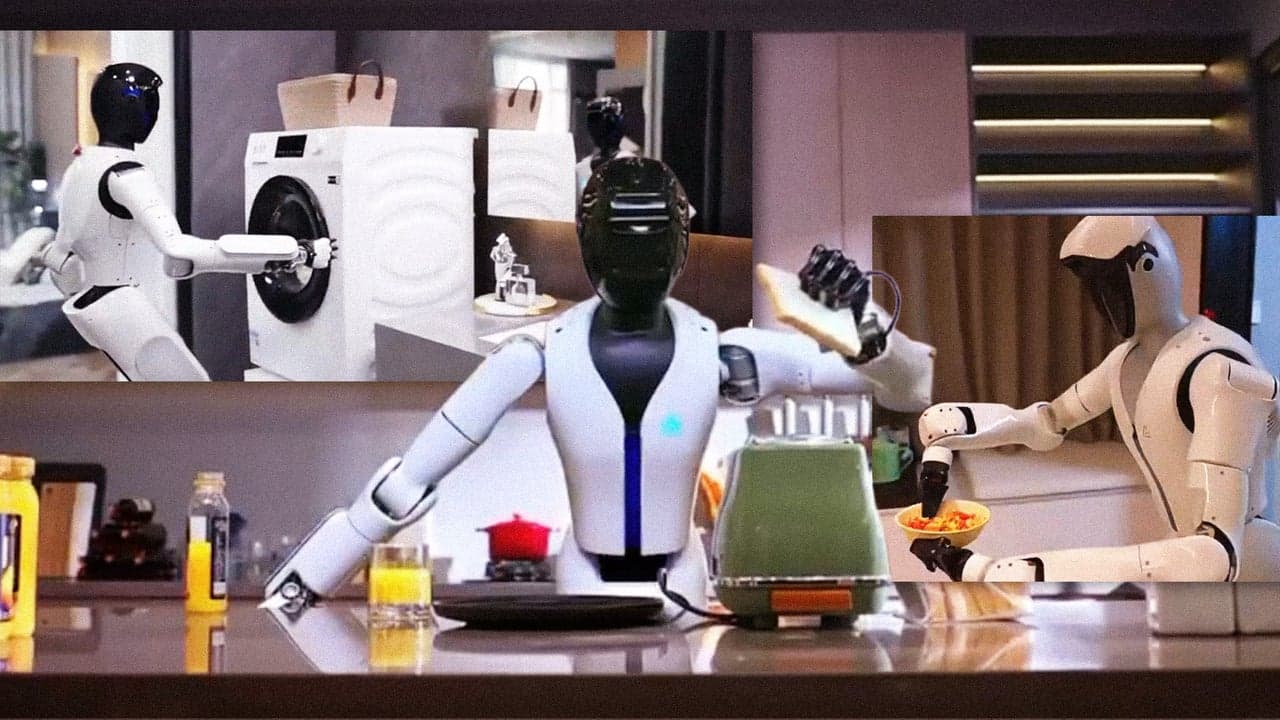
China is making significant strides in commercializing home robotics, with GigaAI announcing plans to deploy its SeeLight S1 humanoid butler starting in 2027. The robot—designed to perform household tasks from cooking to laundry—represents a critical milestone in embodied AI, where machines can navigate complex, unstructured environments and make independent decisions. However, industry experts remain cautious about timelines, noting that translating lab demonstrations into functional home deployment involves substantial technical hurdles that extend far beyond simple automation.
The broader significance of this development lies in China's strategic investment in robotics as a response to demographic challenges and workforce constraints. According to industry analysts, the country is funneling resources into factories and commercial spaces first, treating these environments as testing grounds before consumer deployment. This methodical approach mirrors the path many manufacturing-heavy regions, including those in Georgia's industrial corridor, may eventually follow as automation technology matures and labor market conditions evolve.
The global household robotics market currently exceeds $41 billion annually and is projected to grow 20% through 2027, according to market research cited in recent industry reports. While U.S. competitors like Gatsby are exploring service-based models—similar to ride-sharing platforms—Chinese firms are pursuing fully autonomous systems capable of independent task completion. This philosophical difference in development strategy could have implications for how American manufacturers and businesses approach automation investments in coming years.
For Dalton-area business leaders in manufacturing, warehousing, and logistics, the key takeaway is that robotics deployment will likely progress through commercial environments before consumer applications mature. Industry observers emphasize that safety standards, liability concerns, and the need for robust real-world data collection will slow widespread adoption. Businesses considering automation investments should monitor these developments closely, as the lessons learned in factory and warehouse settings will directly inform the feasibility and ROI of robotics integration in local industrial operations.