Photo via FreightWaves
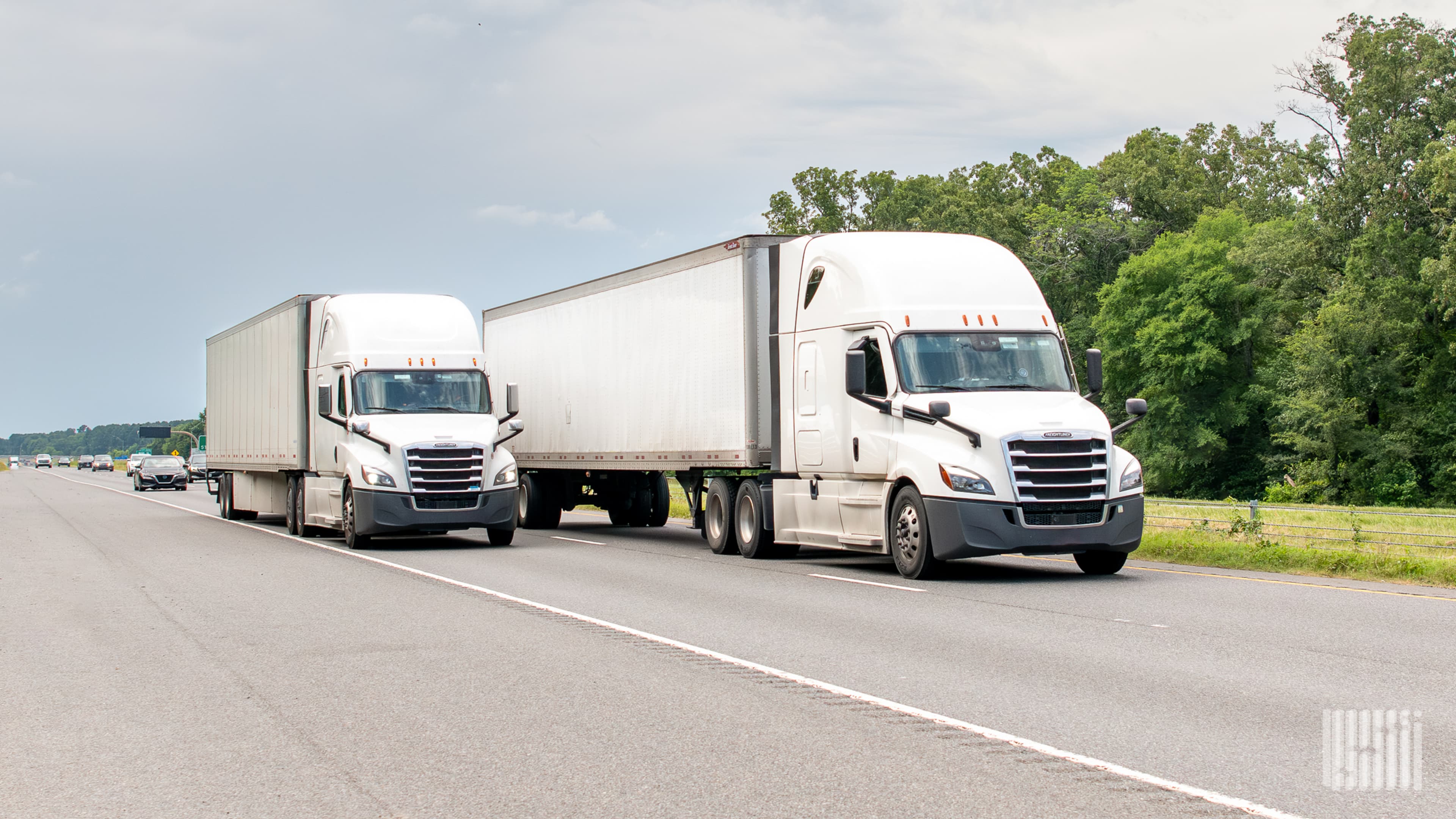
According to FreightWaves, the difference in fuel efficiency among owner-operators can be staggering even when operating conditions appear nearly identical. Two drivers running the same corridor with comparable freight weights and weekly mileage may see fuel economy ranging from 6.1 to 7.8 miles per gallon—a variance that translates to hundreds of dollars in weekly fuel costs. For Dalton-area trucking operations where margins are increasingly tight, understanding what drives these performance gaps has become essential to staying competitive.
While equipment specifications and route conditions play a role, the real culprits behind MPG disparities often lie in operational decisions and maintenance practices. Factors such as tire pressure, engine tuning, aerodynamic modifications, and driving habits collectively determine whether a truck operates at peak efficiency or leaves fuel dollars on the table. Drivers who prioritize these details can consistently outperform their peers by meaningful margins, directly improving their profitability without requiring capital-intensive equipment upgrades.
For owner-operators in the Dalton region—a logistics hub serving Southeast manufacturing and distribution networks—maximizing fuel efficiency isn't merely about environmental responsibility or operational elegance. It's a competitive advantage that compounds over months and years. A driver averaging 7.6 MPG versus 6.2 MPG can save tens of thousands annually, money that flows directly to the bottom line in an industry where thin margins define success.
As fuel prices fluctuate and driver recruitment remains challenging, small operational improvements become increasingly valuable. Owner-operators and fleet managers who audit their fuel performance and identify efficiency opportunities position themselves better for long-term profitability. Whether through driver training programs, preventive maintenance protocols, or technology investments, the pursuit of incremental MPG gains remains one of the most accessible levers for improving business performance in today's logistics landscape.