Photo via Inc.
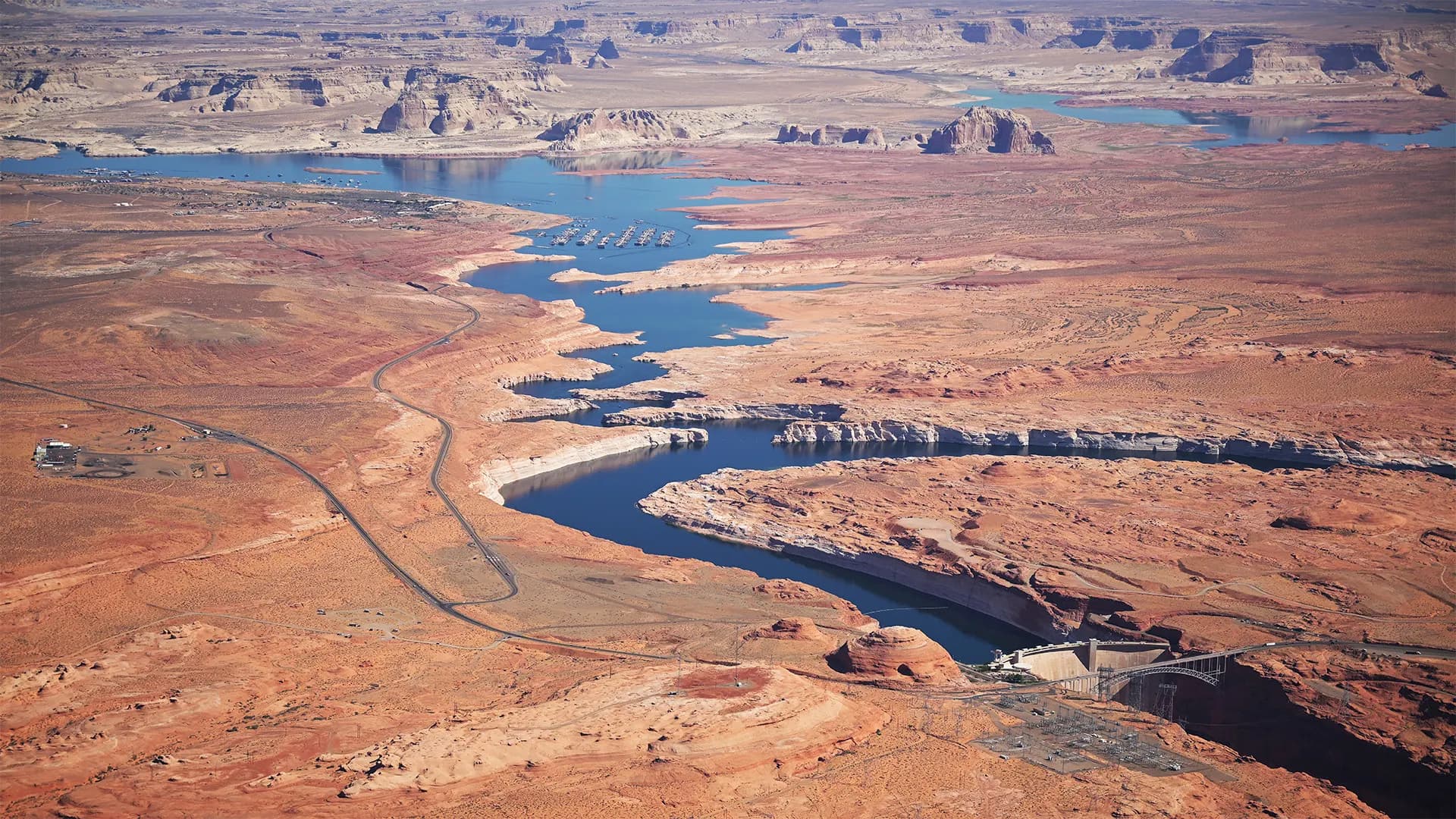
Economists have long studied a counterintuitive problem known as the Tragedy of the Commons: when individuals or teams share access to a limited resource without accountability, each party tends to prioritize short-term gains over collective sustainability. According to Inc., this dynamic operates quietly within many organizations, eroding long-term viability even as teams work toward the same goals. The Colorado River—overtaxed by competing demands from multiple states—offers a cautionary tale that extends far beyond water management.
For Dalton-area businesses, particularly in manufacturing and logistics where shared infrastructure and resources are critical, this principle hits close to home. When teams compete for shared budgets, equipment, or production capacity without clear governance, the organization suffers cumulative damage. A warehouse manager might maximize throughput without accounting for equipment maintenance; a department might extract value from shared systems without reinvesting in their upkeep. The short-term wins feel real, but the infrastructure deteriorates.
The solution requires transparent systems and accountability. Leading organizations establish clear usage guidelines, track resource consumption, and tie performance incentives to shared outcomes rather than individual extraction. Dalton's most successful companies—those thriving in competitive regional markets—tend to implement resource-sharing agreements that balance departmental autonomy with organizational health. Regular audits and cross-departmental communication prevent the slow erosion that makes the Tragedy of the Commons so insidious.
Leaders should audit their own operations for these hidden dynamics. Which shared resources are being depleted faster than they're replenished? Which teams benefit from extraction without bearing replacement costs? Identifying these patterns early allows organizations to realign incentives before the damage becomes irreversible—a lesson as relevant to the warehouse floor in Dalton as it is to the Colorado River basin.