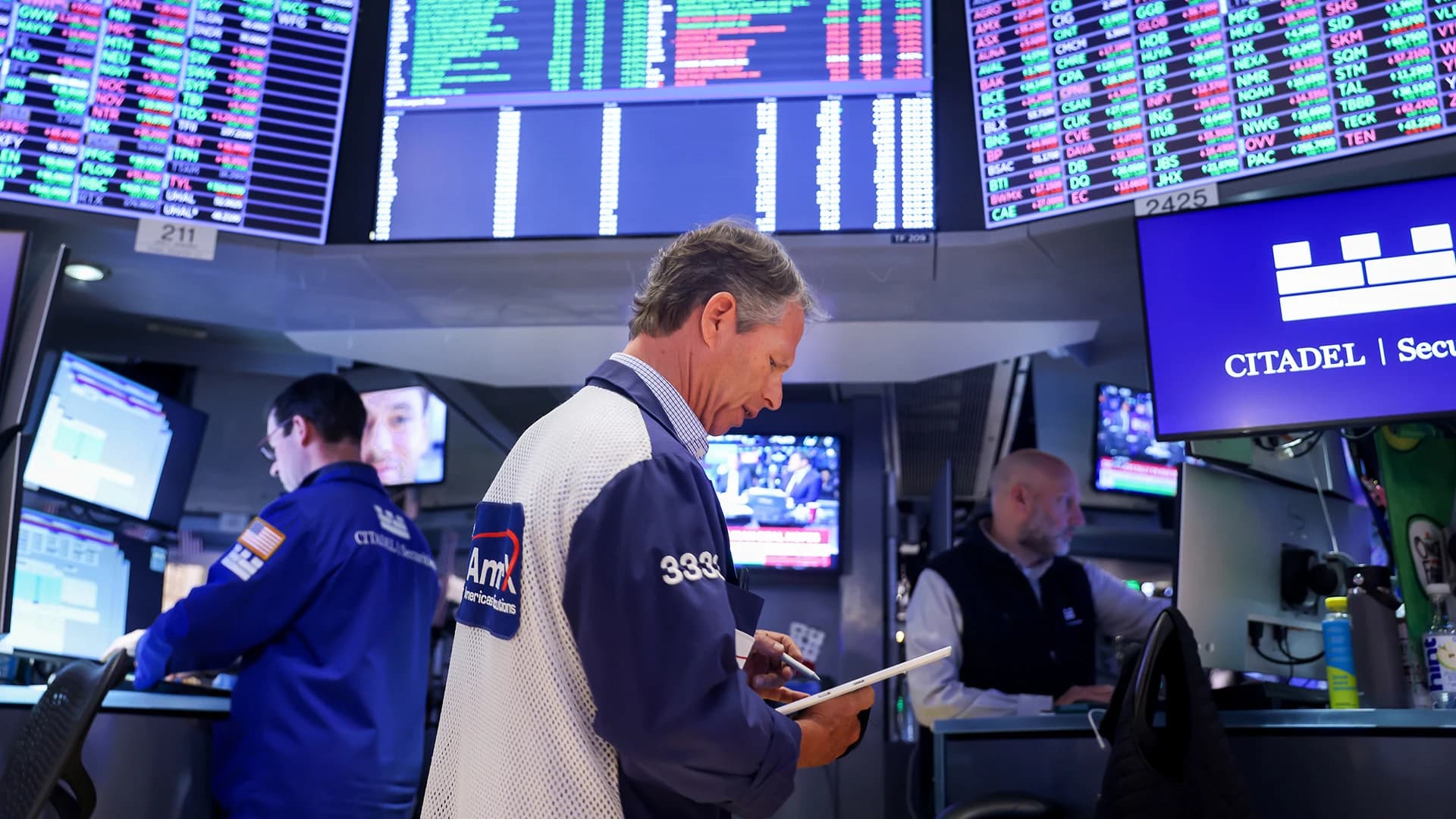
According to recent New York Times reporting, interest rates on long-term Treasury bonds have reached their highest point since 2007—the year that preceded the Great Financial Crisis. This significant milestone has sparked debate among economists and financial analysts about what the bond market may be signaling about the broader economy. For Dalton business owners and executives, understanding these shifts is critical, as Treasury rates often influence borrowing costs for businesses of all sizes.
The comparison to pre-crisis 2007 levels understandably raises concerns among market watchers. However, context matters: today's economic fundamentals differ substantially from those that preceded the 2008 collapse. Rising Treasury rates typically reflect expectations about inflation, Federal Reserve policy, and economic growth—not necessarily an impending crisis. Local manufacturers, retailers, and service providers should monitor these trends closely, as they directly affect the cost of business loans and credit lines.
For Dalton companies considering expansion, equipment purchases, or refinancing existing debt, higher rates present immediate challenges. Yet elevated Treasury yields can also benefit businesses with cash reserves or those able to weather near-term headwinds. Some sectors, particularly those tied to real estate and construction, may feel rate pressures more acutely than others in our region's economy.
Rather than viewing bond market movements as purely ominous, savvy business leaders should use this signal as a prompt to review their financing strategies and cash flow management. Consulting with financial advisors about whether to lock in rates now or adjust operational plans can help Dalton enterprises position themselves to capitalize on opportunities as the economic picture clarifies.