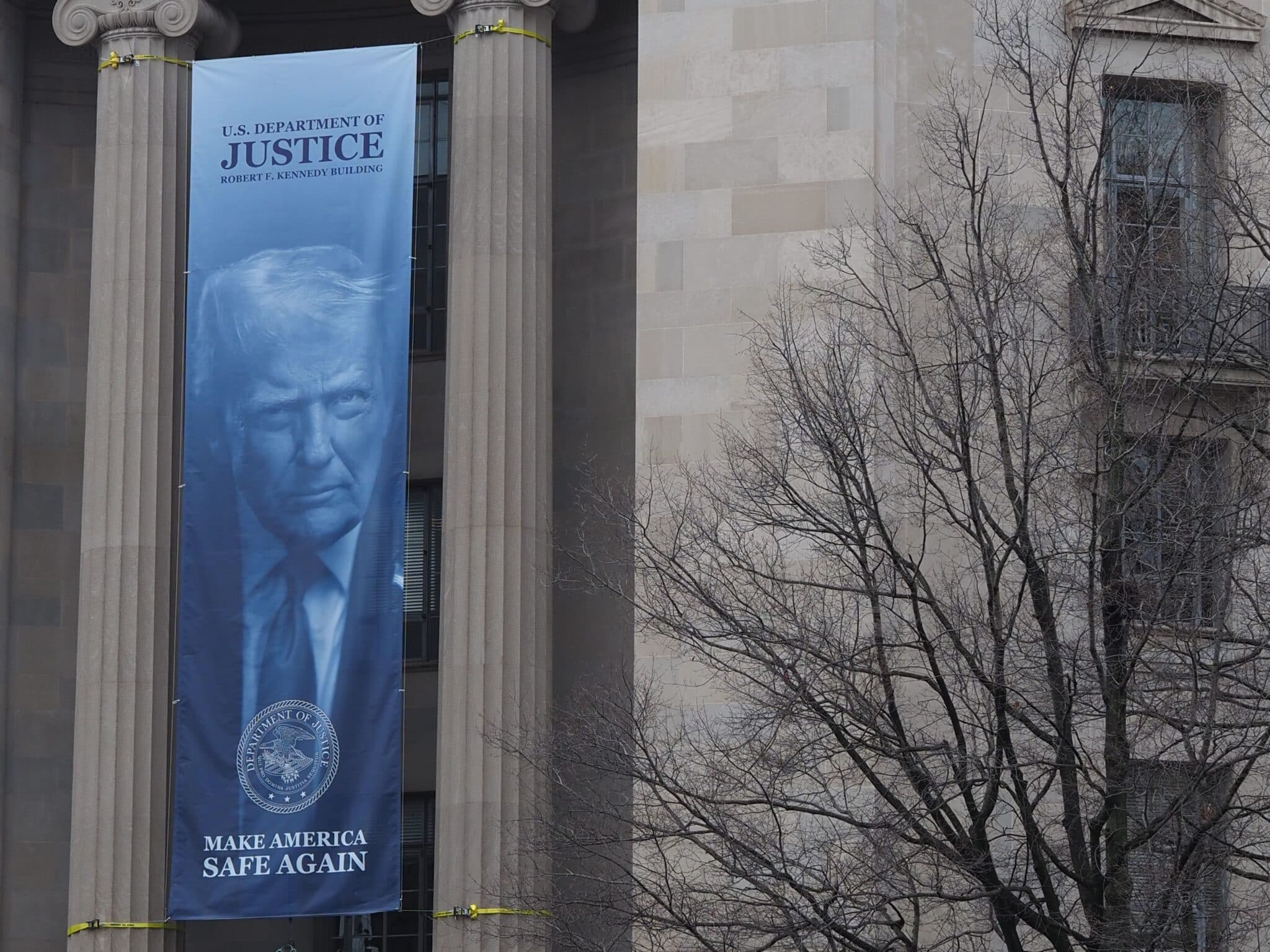
Photo via Georgia Recorder
According to the Georgia Recorder, the U.S. Department of Justice announced a new settlement fund focused on preventing what the administration calls 'weaponization' of federal agencies. This development came as President Trump voluntarily withdrew a substantial lawsuit against the Internal Revenue Service over the unauthorized disclosure of his tax returns.
The settlement represents a significant shift in how the Trump administration is addressing its grievances with federal agencies. Rather than pursuing protracted litigation, the DOJ structured an agreement that establishes dedicated funding for oversight mechanisms. The $1.7 billion allocation underscores the administration's stated commitment to preventing what it characterizes as inappropriate use of government resources.
Democratic lawmakers have criticized the arrangement, arguing that the framing mischaracterizes the purpose and independence of the IRS. The dispute reflects broader tensions between the executive branch and tax enforcement agencies, particularly regarding oversight of high-profile figures and the agency's operational autonomy.
For Dalton-area business leaders, this settlement carries implications for how federal tax policy and enforcement may evolve. Clarity around IRS operations and fair application of tax regulations remains important for businesses navigating compliance requirements. The outcome of this dispute may influence how the tax agency operates during this administration.