Photo via Inc.
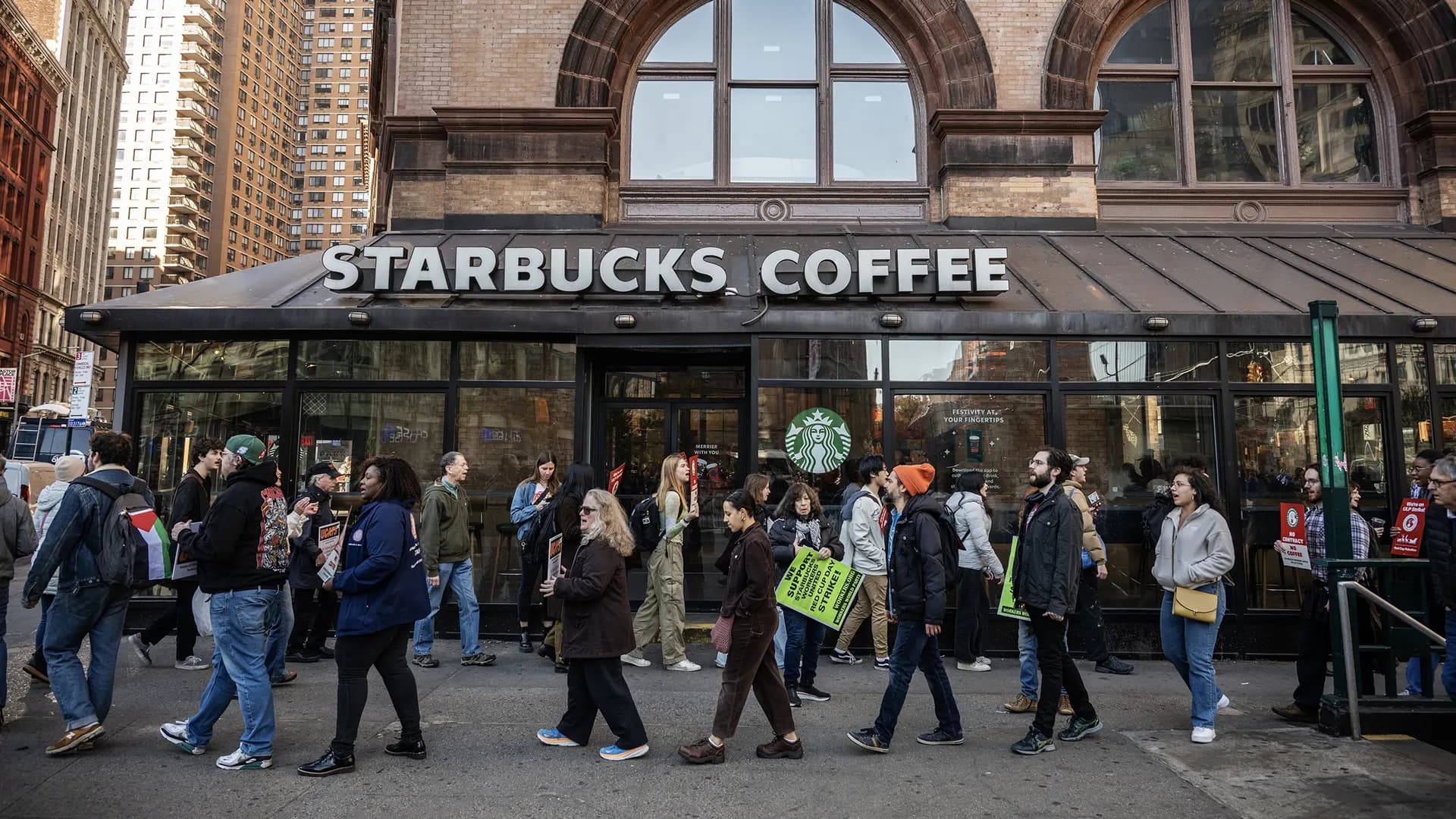
The intersection of international oversight and domestic labor disputes reached a new milestone as human rights advocates reportedly submitted formal correspondence to Starbucks, citing concerns about what they characterize as systematic intimidation of unionizing workers. According to Inc., the escalation marks a notable moment when global human rights mechanisms have entered the coffee industry's contentious unionization battles.
For Dalton-area business leaders, the development underscores evolving expectations around labor relations and corporate accountability. As regional retailers and service-sector employers navigate their own workforce dynamics, high-profile cases like Starbucks' union challenges establish precedent for how companies manage employee organizing efforts and respond to external stakeholder pressure.
The alleged intimidation tactics—reportedly directed at baristas attempting to organize—have drawn attention from advocates concerned with workers' rights to organize without retaliation. This international intervention suggests that labor disputes once considered domestic matters now attract scrutiny from global human rights organizations monitoring corporate conduct.
Business decision-makers in Northwest Georgia should recognize that labor relations practices face increasing transparency and external review. Whether managing unionization efforts, responding to employee grievances, or developing workplace policies, companies operating in today's environment must consider not only local and federal regulations but also evolving international standards around worker protections and fair treatment.