Photo via CNBC Business
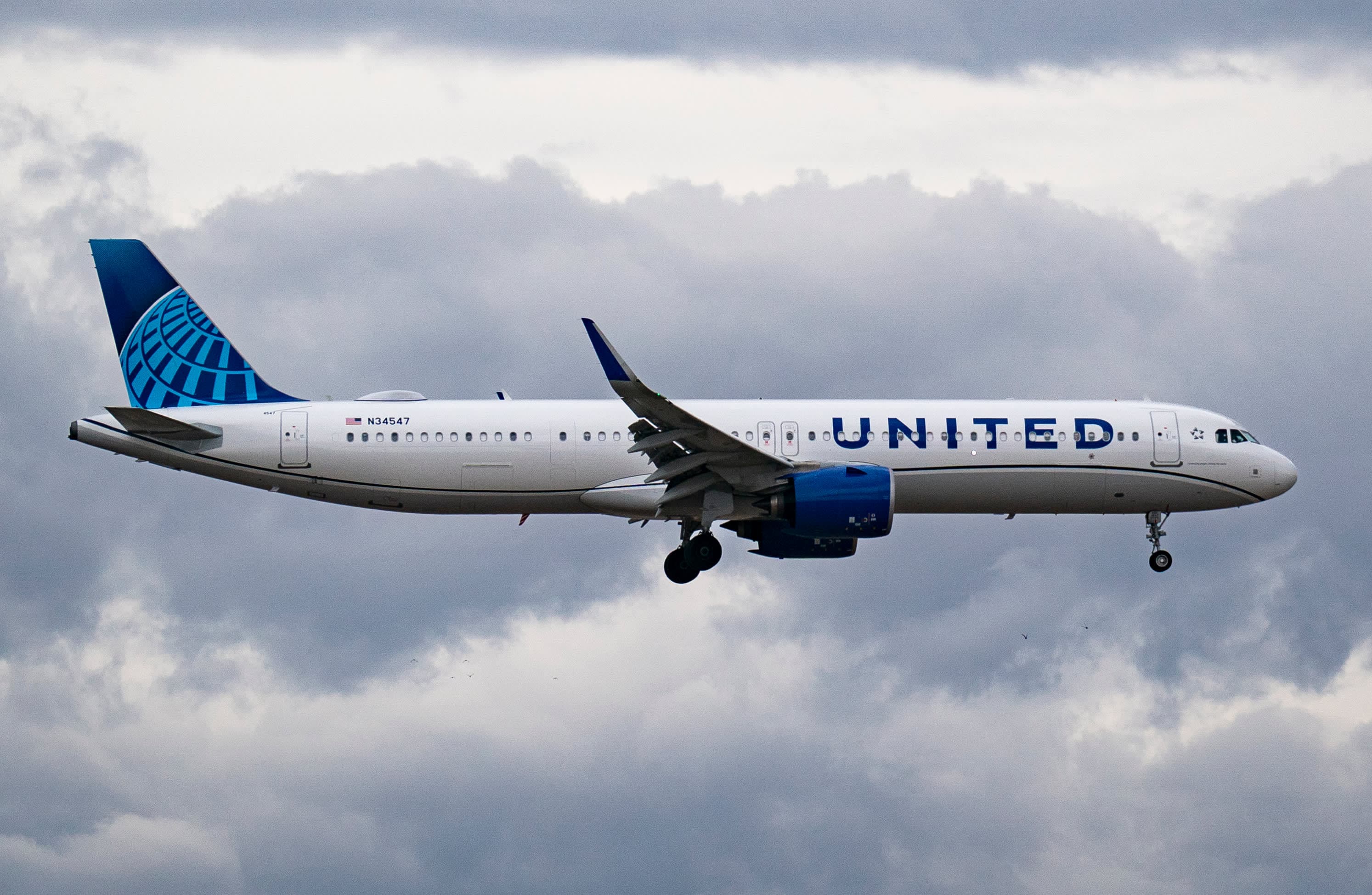
United Airlines flight attendants have ratified a new labor contract that delivers their first wage increases in nearly six years, according to CNBC Business. The deal includes a 31% pay raise over the contract period, representing a significant victory for the union and marking a turning point in post-pandemic labor negotiations within the airline industry.
This agreement reflects broader economic pressures reshaping compensation in hospitality and travel sectors. The extended period without raises—spanning the pandemic and recovery years—created substantial wage erosion for flight attendants relative to inflation and living cost increases. The new contract addresses accumulated grievances while positioning the carrier to compete for talent in a tightening labor market.
For Dalton-area businesses in logistics, hospitality, and transportation, this contract serves as a bellwether for employee compensation trends. As major employers nationwide reset wage expectations, regional companies may face similar pressure to remain competitive when recruiting and retaining skilled workers across service-oriented roles.
The ratification demonstrates that unions in essential industries retain negotiating leverage despite economic headwinds. Industry observers suggest this precedent could influence upcoming labor discussions across aviation, potentially raising baseline expectations for benefits and job security in an industry critical to American commerce and supply chains.