Photo via Georgia Recorder
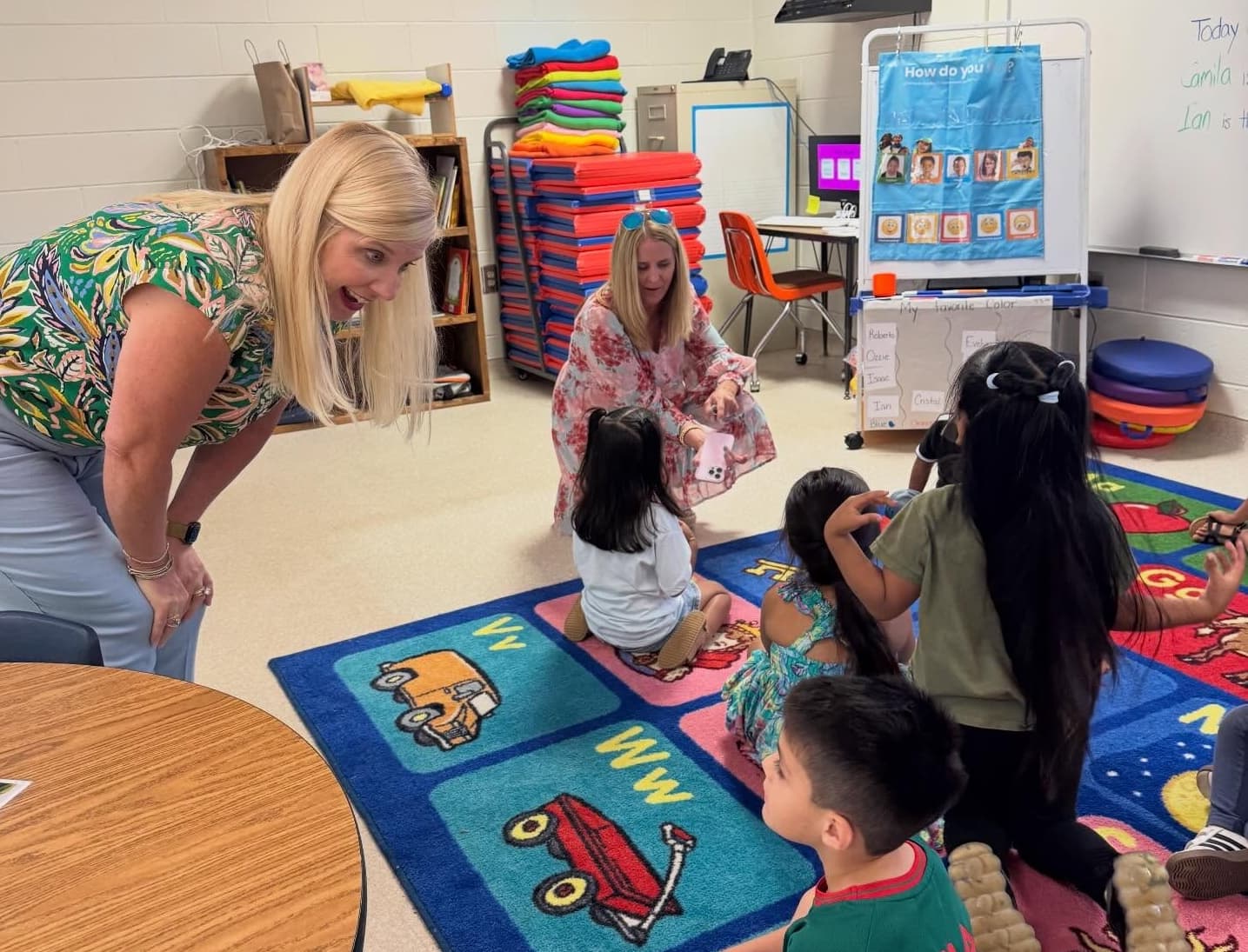
Georgia's publicly funded pre-kindergarten program promises free enrollment for all 4-year-olds, yet the promise remains unfulfilled in many communities due to insufficient classroom capacity. According to the Georgia Recorder, this gap between policy and reality has created challenges for families seeking early childhood education across the state. For Dalton-area parents and employers, limited pre-K access directly impacts workforce participation—when childcare options are scarce, potential employees face barriers to job entry or advancement.
Democratic gubernatorial nominee Keisha Lance Bottoms has made closing this pre-K gap a centerpiece of her campaign platform. Addressing the shortage would require significant investment in classroom infrastructure and educator recruitment. For the Dalton business community, expanded pre-K capacity could ease hiring pressures by removing a key obstacle that keeps working-age adults out of the labor force, particularly in sectors facing persistent talent shortages.
The pre-K funding question reflects broader workforce development concerns relevant to Northwest Georgia's manufacturing, logistics, and service sectors. Reliable, accessible childcare enables employees to remain productive and engaged, reducing turnover costs for local employers. As communities compete for talent and business investment, pre-K availability increasingly factors into economic development conversations.