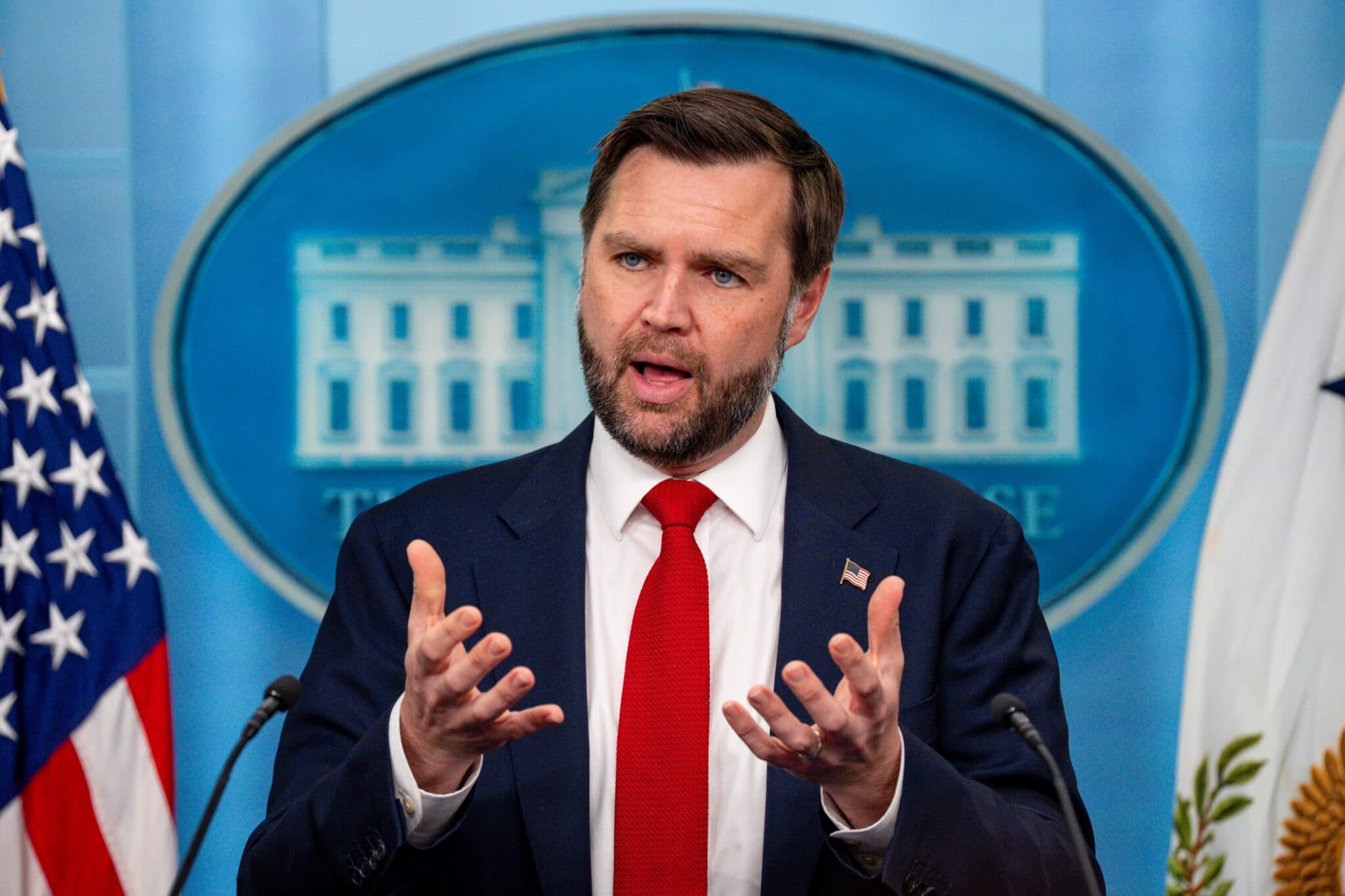
Photo via Georgia Recorder
Vice President JD Vance announced the formal start of peace negotiations with Iran on Thursday, according to Georgia Recorder. The talks set a two-month timeline for resolving key issues including safe passage through the Strait of Hormuz and potential relief from U.S. sanctions on Iranian oil exports. For Dalton businesses dependent on stable energy costs and supply chain reliability, the outcome of these negotiations could influence operational expenses and planning strategies.
The Strait of Hormuz represents one of the world's most critical energy chokepoints, with approximately 20% of global oil passing through its waters annually. Any disruption or resolution in this region directly impacts fuel prices and transportation costs. Regional manufacturers, logistics providers, and distribution companies in Northwest Georgia monitor such geopolitical developments closely, as energy price volatility can affect profit margins and competitiveness.
The 60-day negotiation window creates a defined timeline for resolution. Success could lower energy costs and reduce supply chain uncertainty, while prolonged tensions might maintain upward pressure on fuel and shipping expenses. Dalton-area business leaders should track these developments, as the outcome will likely influence second and third-quarter operational planning and budgeting decisions across energy-sensitive industries.