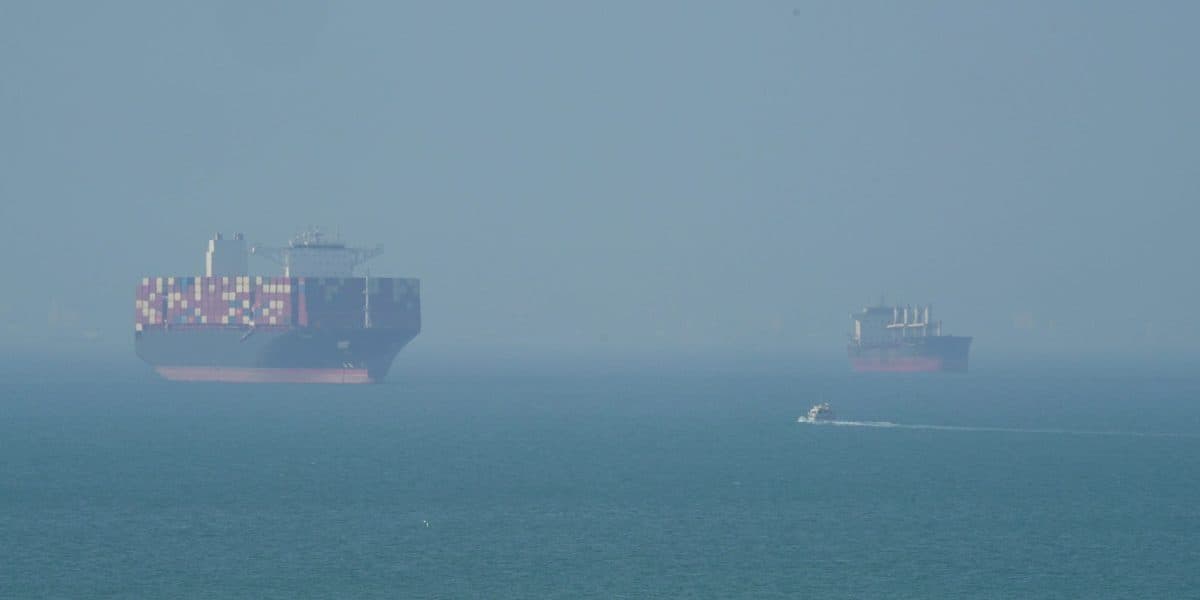
Photo via Fortune
The U.S. government has clarified that American persons and companies are barred from conducting financial arrangements with Iran's government for maritime transit guarantees through the Strait of Hormuz, according to Fortune. This prohibition applies regardless of whether payment is exchanged, creating a significant constraint for U.S.-based shipping and logistics operations that rely on this vital waterway for international commerce.
For Dalton-area businesses involved in import-export operations, particularly in the textile, flooring, and manufacturing sectors, this development carries important implications. Companies shipping goods through Middle Eastern routes or relying on global supply chains that transit the Hormuz Strait may face increased navigational risks and insurance costs, potentially impacting product pricing and delivery timelines.
The restriction reflects broader U.S. foreign policy toward Iran and underscores the complex regulatory environment surrounding international trade. Businesses operating in global markets must navigate not only tariffs and trade agreements but also geopolitical constraints that affect maritime safety and logistics costs. Legal compliance in this area requires careful attention to current sanctions frameworks.
Logistics professionals and business leaders in Dalton should review their supply chain strategies and consult with legal advisors to ensure compliance with these restrictions. Understanding how geopolitical tensions affect shipping routes and costs is increasingly critical for maintaining competitive advantage in today's interconnected global economy.