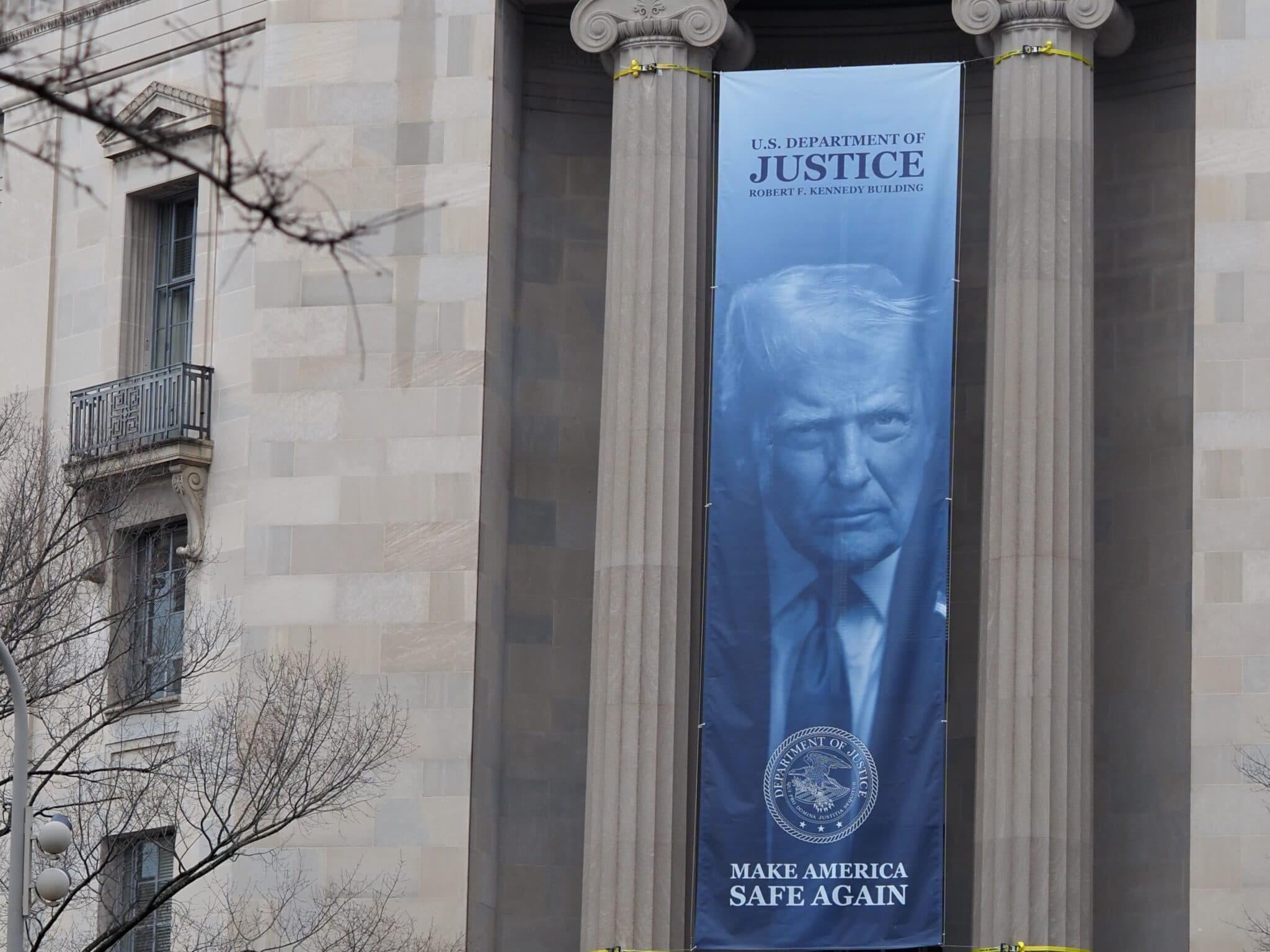
Photo via Georgia Recorder
According to the Georgia Recorder, Washington D.C.'s landscape is undergoing notable transformation as prominent federal buildings and historic landmarks undergo renovation and repositioning. The changes are most visible around major transit hubs and central gathering spaces, where construction activity has become increasingly prevalent in recent months.
Columbus Circle, a historically significant location near Union Station, is currently surrounded by active construction barriers and promotional signage as part of broader federal redevelopment initiatives. These high-profile projects in the nation's capital often signal broader trends in how government entities approach real estate modernization and public space management.
For Georgia-based construction and real estate professionals, federal projects in Washington serve as bellwethers for national trends in building codes, design standards, and project procurement. Companies involved in commercial construction, architecture, and development often monitor federal undertakings to anticipate regulatory shifts that eventually filter down to state and local markets.
The scope of ongoing D.C. improvements underscores how major metropolitan real estate strategies can influence regional economic activity. As federal agencies continue investing in infrastructure and facility upgrades, opportunities emerge for qualified contractors and design firms with experience in large-scale, high-visibility projects across multiple states.