Photo via Fast Company
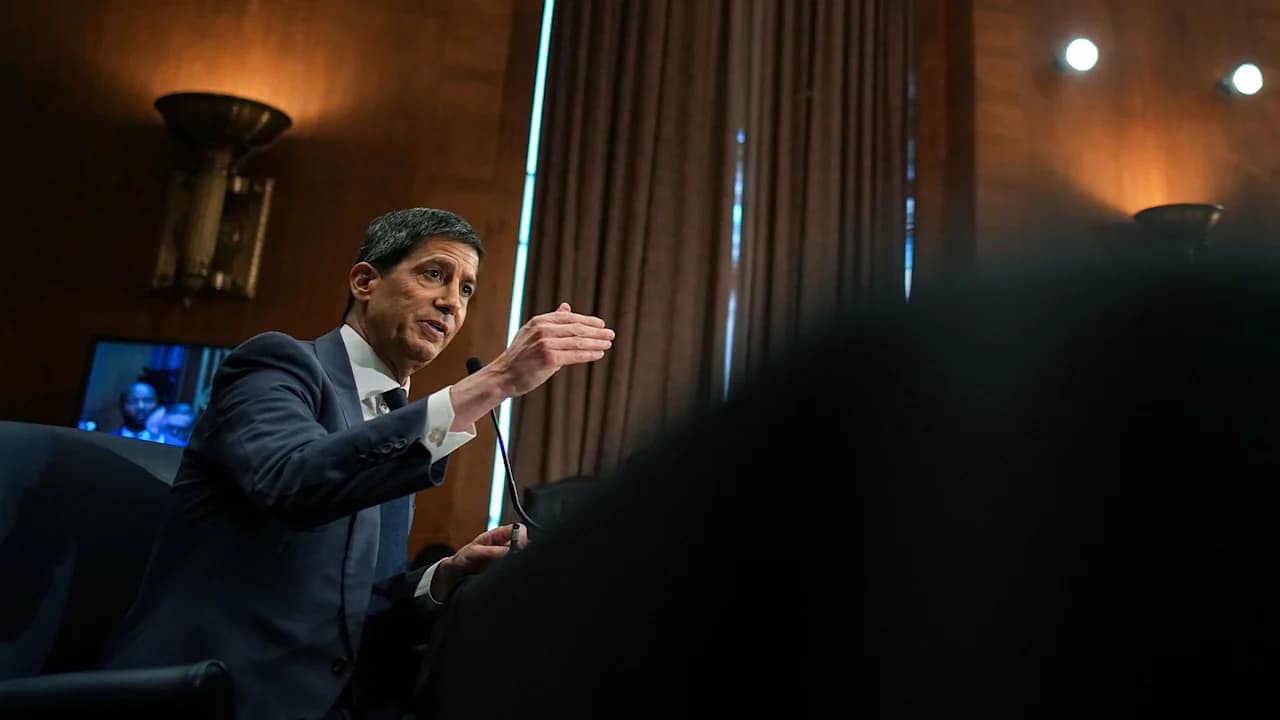
Kevin Warsh is poised to become the next chairman of the Federal Reserve, the institution that controls monetary policy affecting everything from mortgage rates to business lending costs. During his Senate confirmation hearing, lawmakers pressed Warsh on whether he would remain independent from political pressure or become what one senator called the 'president's human sock puppet.' The question reflects legitimate concerns about the Fed's autonomy as President Trump publicly advocates for lower interest rates to stimulate economic growth.
Warsh's track record reveals inconsistency on inflation and rate policy. Earlier in his career, he championed higher interest rates and criticized the Fed's pandemic-era stimulus spending. More recently, however, he's aligned with Trump's calls for rate cuts, prompting skeptics to question whether he can balance presidential pressure with his duties to manage inflation. For Dalton-area manufacturers, retailers, and contractors dependent on favorable lending conditions, Warsh's true monetary philosophy will directly impact their access to affordable capital.
According to political science scholars, Warsh's deep connections to Wall Street and finance may paradoxically strengthen his independence from political interference. His career at Morgan Stanley and hedge funds means he's accustomed to Wall Street's preference for low inflation and higher rates—incentives that could override Trump's pressure once Warsh assumes the chairmanship. Similar dynamics protected Jerome Powell's autonomy despite Trump's public criticism during the first administration.
The stakes for Dalton's economy are significant. Fed decisions ripple through mortgage rates, commercial lending, and inflation—factors that shape everything from residential real estate development to industrial expansion. Rising oil prices and global inflation concerns may force Warsh toward rate increases regardless of political pressure, potentially affecting business expansion plans across Northwest Georgia. Local leaders should monitor his chairmanship closely as monetary policy shifts take effect.