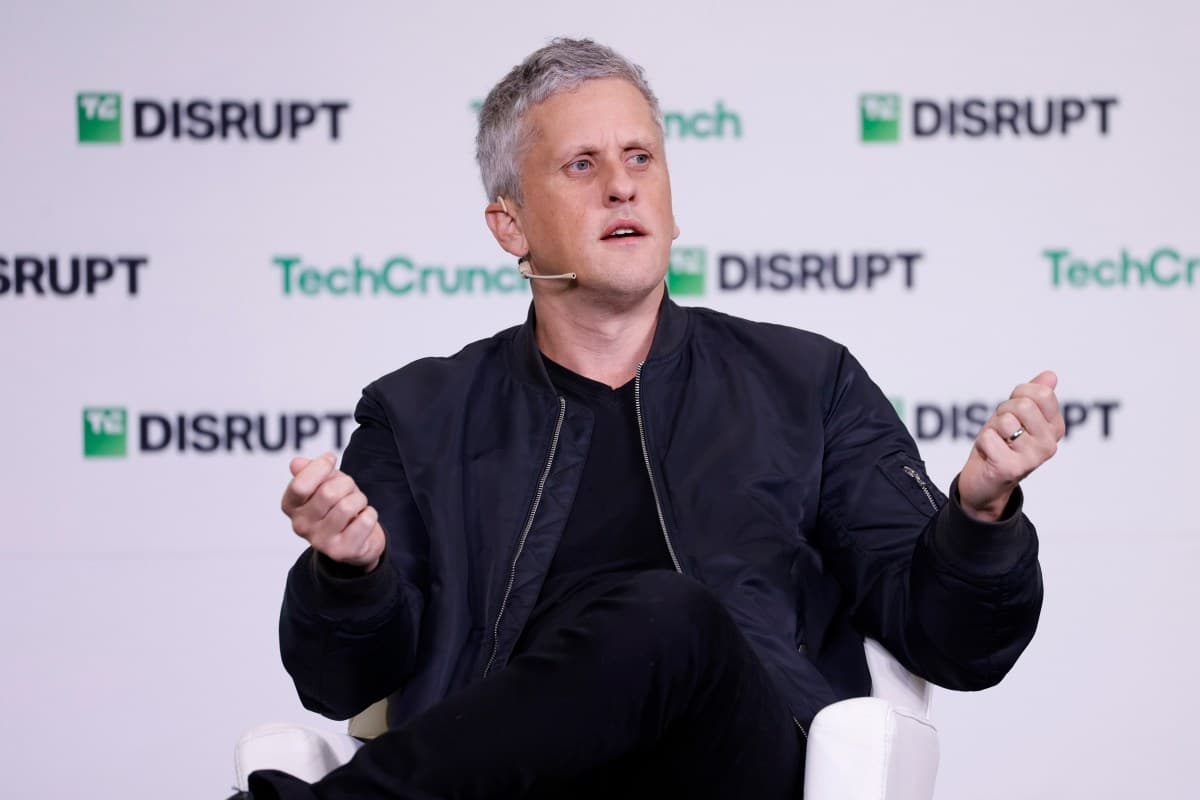
Photo via TechCrunch
A growing chorus of business leaders is sounding the alarm about what some call 'AI psychosis'—the tendency for companies to pursue artificial intelligence initiatives without fully understanding the roles they're automating. According to Box founder Aaron Levie, those making decisions about AI-driven workforce reductions often lack deep knowledge of the actual work being eliminated. This disconnect between strategy and operational reality poses real risks for companies across industries, including those in Northwest Georgia's growing tech and manufacturing sectors.
The consequences are already visible in the tech sector. Companies like ClickUp have eliminated significant portions of their workforces—cutting 22% of staff to pursue AI agent automation—while tech layoffs in early 2026 are already tracking at levels that nearly match all of 2025. For Dalton-area business leaders evaluating AI investments, these examples serve as important case studies in what can happen when enthusiasm outpaces due diligence.
The challenge lies in distinguishing between legitimate automation opportunities and speculative cost-cutting dressed up as innovation. Effective AI implementation requires understanding job functions in granular detail—something that demands input from department managers, frontline employees, and operational experts. Dalton companies in logistics, manufacturing, and customer service sectors should approach AI adoption with this holistic perspective rather than viewing it primarily as a headcount-reduction tool.
For regional business leaders, the lesson is clear: AI adoption should align with long-term strategy and operational needs, not replace thoughtful workforce planning. Companies that take time to understand their processes before automating them tend to see better returns on technology investments while maintaining the organizational knowledge and culture that drives sustainable growth.