Photo via Fast Company
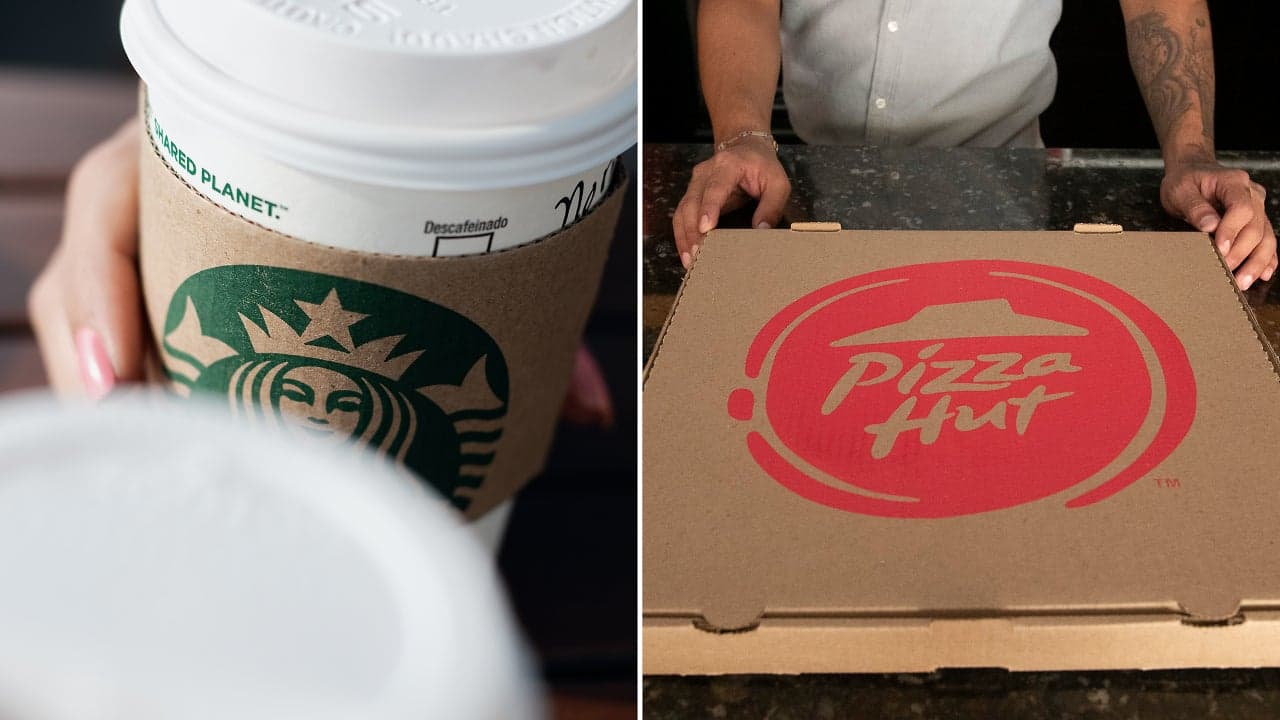
Two major food service chains made headlines this week by pulling the plug on AI initiatives that promised efficiency but delivered operational chaos instead. Starbucks retired an inventory-counting system that consistently miscounted stock and mislabeled products, while Pizza Hut faces a $100 million lawsuit from a franchisee who claims a delivery optimization tool dramatically increased wait times and destroyed sales. The incidents are raising questions about whether the rush to adopt artificial intelligence is outpacing the technology's actual readiness for real-world operations.
At Starbucks, the company acknowledged the failure internally, instructing staff to return to manual inventory counting for beverage components and milk. According to the company's statement, the decision reflects a larger strategy centered on testing, listening to employee feedback, and making adjustments—a methodical approach that contrasts sharply with the hype surrounding AI rollouts. However, Starbucks isn't abandoning AI entirely; the company continues investing in barista-assist tools and order-management systems, suggesting a more measured path forward.
Pizza Hut's situation reveals deeper risks when AI implementation is mandatory rather than voluntary. Chaac Pizza Northeast, operating more than 100 franchised locations, claims that Dragontail—an AI delivery coordination tool—inadvertently caused drivers to wait for multiple orders simultaneously, extending delivery times from under 30 minutes to over 45 minutes in more than half of orders. Sales at some locations plummeted by nearly 20 percentage points after the 2024 rollout, demonstrating how a well-intentioned automation tool can cascade into business failure when unintended consequences aren't anticipated.
For Dalton-area business owners and operators, these cases offer a critical lesson: AI adoption should be voluntary, iterative, and tested thoroughly before full implementation. Industry observers suggest we may be entering a phase where companies pull back from AI rather than embrace it—a significant shift from the past two years of aggressive AI investment. The takeaway for local businesses is clear: before automating critical operations, ensure the technology solves actual problems without creating new ones.