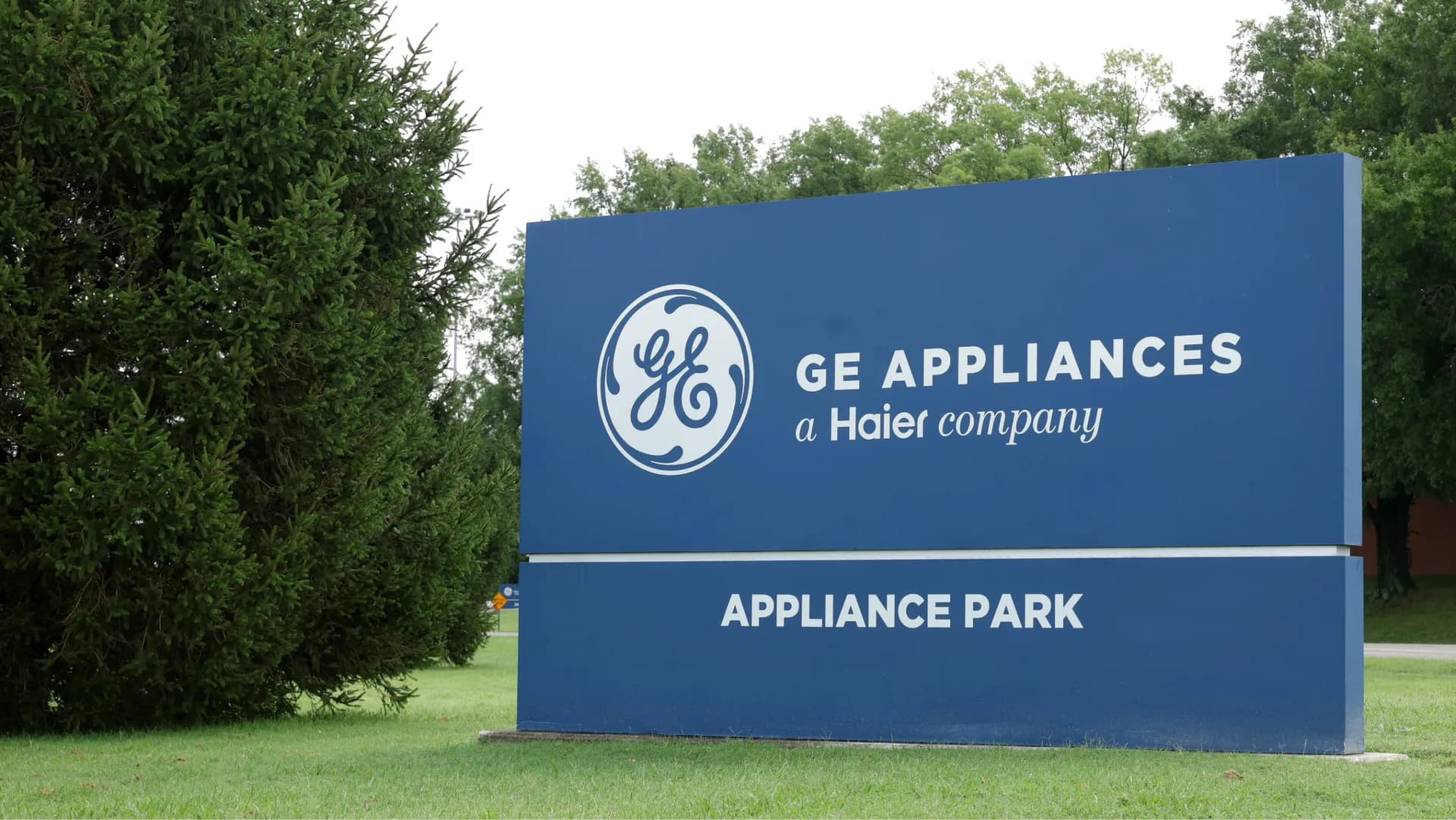
Photo via Inc.
The conventional wisdom in manufacturing has long favored overseas production to capitalize on lower labor costs. Yet GE Appliances, owned by China-based Haier, is bucking that trend with a major pivot. According to Inc., the company is investing $490 million in a new smart factory in Louisville, Kentucky, creating approximately 800 jobs and marking a significant reshoring effort in the appliance sector.
The decision reflects a changing calculus for manufacturers weighing production costs against tariff exposure and supply chain reliability. By bringing production back to the United States, GE Appliances eliminates tariff barriers that have made overseas manufacturing increasingly expensive in recent years. This move underscores how trade policy and logistics considerations are reshaping where companies choose to manufacture.
For Georgia's manufacturing corridor, including Dalton's robust carpet and industrial production base, this trend carries implications worth watching. Companies across the Southeast may face competitive pressure to evaluate their own production strategies, particularly if tariffs continue to narrow the cost advantage of offshore operations. The economics that once made overseas manufacturing a no-brainer are shifting.
GE Appliances' investment demonstrates that domestic manufacturing can remain competitive when supply chain efficiency, tariff avoidance, and workforce reliability are factored into the equation. As more manufacturers reassess their global footprint, regional manufacturing hubs may find renewed advantages in proximity to markets and reduced exposure to international trade volatility.