Photo via Fast Company
Gallup's latest workplace report reveals a troubling paradox: while organizations pour resources into artificial intelligence implementation, global employee engagement has hit its lowest point since 2020 at just 20%. An MIT study cited in the research found that 95% of companies have seen no measurable return on their AI investments. For Dalton-area manufacturers, logistics firms, and service providers grappling with automation and workplace transformation, the data suggests the problem isn't technology adoption—it's human capacity and morale.
The real issue lies with managers themselves. Manager engagement has plummeted nine points since 2022, and research shows that employee AI adoption hinges almost entirely on whether direct managers actively champion the tools. Yet companies continue prescribing the same solutions: more training programs, adoption mandates, and performance dashboards. What's missing is addressing why managers have become depleted in the first place. According to research from the National Institute for Play and cognitive science studies, a frazzled nervous system cannot think creatively, absorb new tools, or lead others through uncertainty.
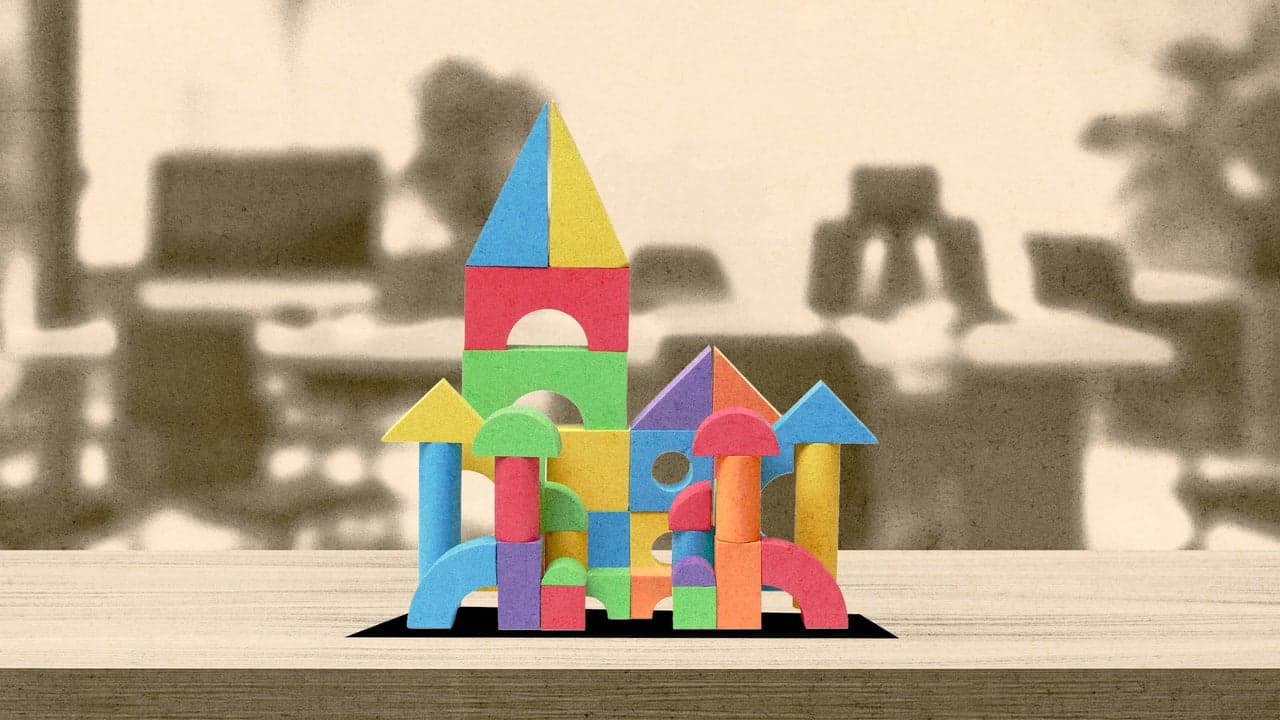
The science is clear: play and improvisation aren't frivolous—they're neurological necessities. Research shows that play shifts brain activity toward greater regulation and integration, boosting attention, cognition, and the stress-reducing neurochemicals (dopamine, oxytocin, serotonin, endorphins) that enable creative problem-solving. Yet workplaces have systematized play out of professionals by the time they reach their first performance review. The result is a workforce stuck in low-grade threat response, unable to improvise through the 60-80% of their day that demands real-time decision-making.
High-performing teams are tackling this differently. They're subtracting noise—cutting unnecessary meetings, consolidating tools, protecting focus time—while simultaneously restoring genuine play through simple rituals. One example: a "Kudos & Kinks" practice where team members spend 30 seconds sharing one win and one setback weekly. These aren't expensive wellness programs but repeatable micromoments that signal it's safe to be fully human at work. For Dalton businesses facing retention challenges and AI implementation struggles, the message is urgent: the path forward runs through your people's capacity to play, not just perform.