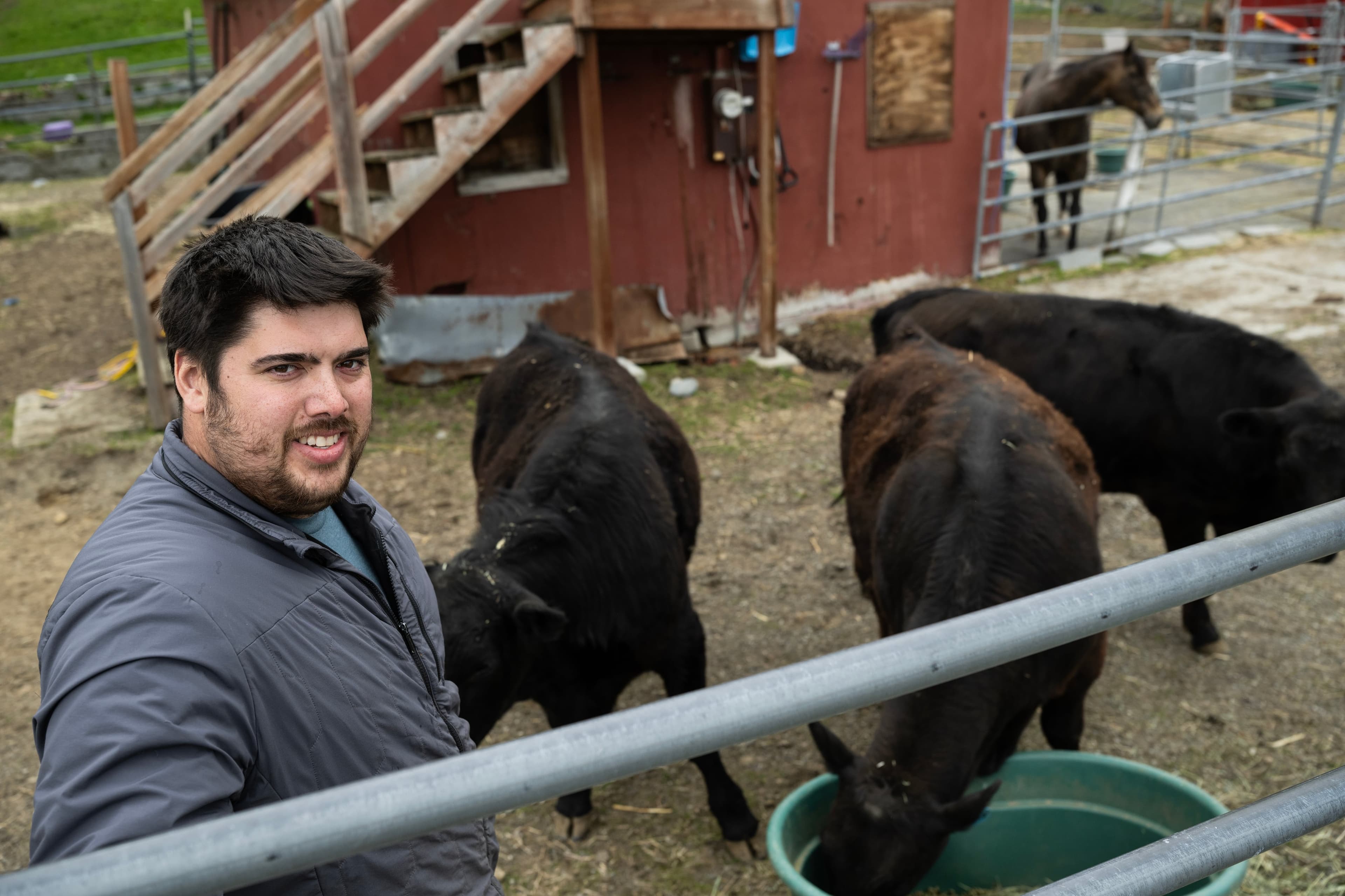
Photo via Adn
Municipalities across the country continue grappling with how to accommodate small-scale agricultural enterprises within residential neighborhoods. According to reporting from the Anchorage Daily News, the Anchorage Assembly recently resolved a two-year land use dispute by formally permitting small farmers to sell hay and feed products in South Anchorage neighborhoods. The decision underscores ongoing tension between preserving agricultural traditions and maintaining neighborhood character standards.
For Dalton-area business leaders and real estate professionals, such zoning decisions carry practical implications. Northwest Georgia has seen increased interest in agritourism and small-scale farming operations as lifestyle preferences shift post-pandemic. Understanding how other communities craft ordinances that protect both farming operations and neighborhood quality of life can inform local zoning discussions and business planning.
The Anchorage case demonstrates that extended negotiation periods—in this instance spanning two years—often precede workable solutions. Community stakeholders, including neighbors, farmers, and municipal staff, typically require substantial time to reach consensus on land use policies that address legitimate concerns from all parties.
As Dalton continues evolving as a business hub, similar zoning questions may emerge around agricultural businesses, light manufacturing, and mixed-use development. Proactive engagement with zoning boards and clear ordinance language can help business owners understand requirements before investing in property or operations in residential-adjacent areas.