Photo via Inc.
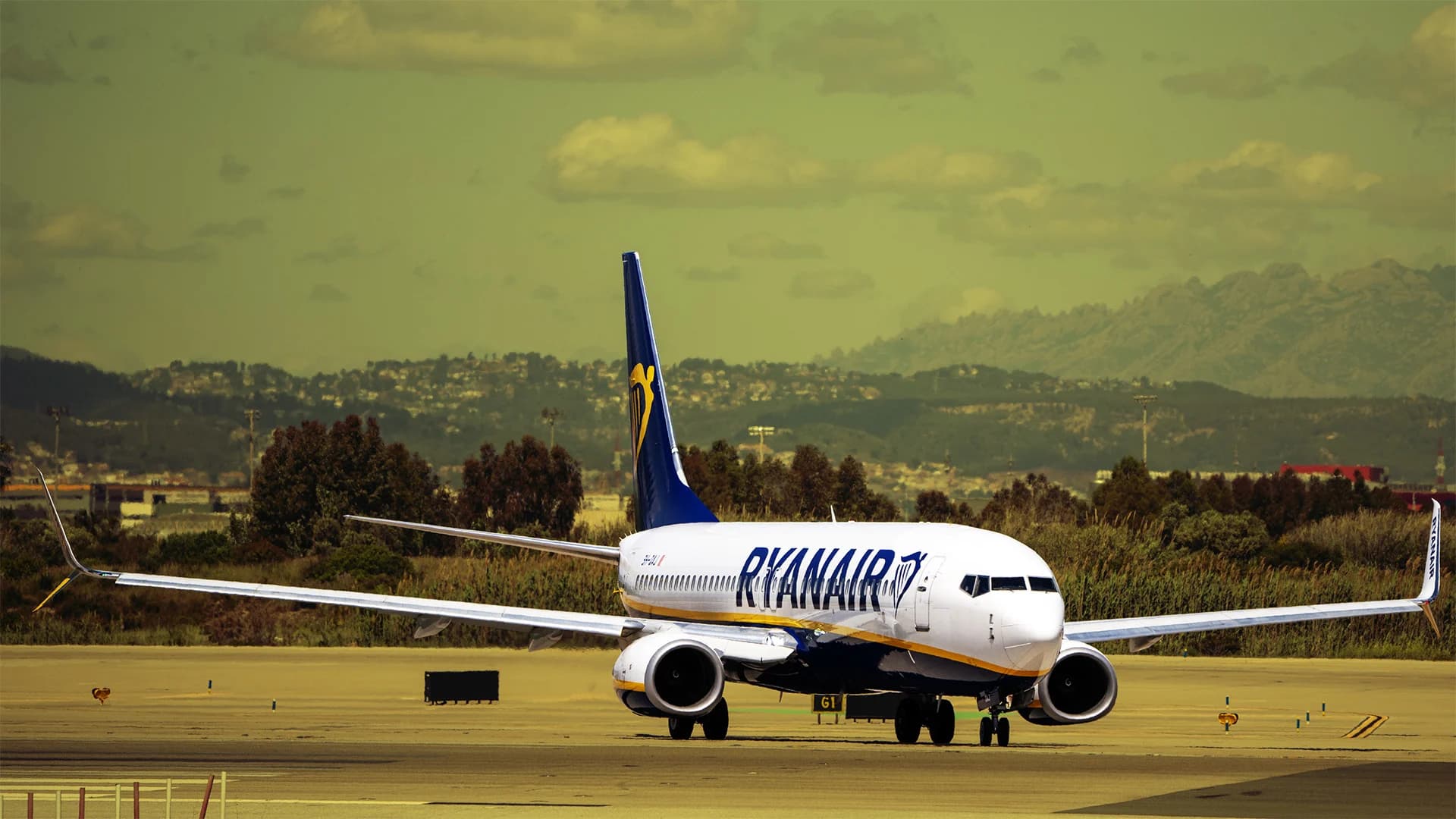
The airline industry is entering a period of consolidation as larger carriers gain competitive advantages through advance fuel purchasing and operational efficiency. According to reporting on Ryanair's fiscal positioning, the budget carrier has already locked in most of its summer fuel costs, positioning itself to weather volatility that smaller competitors cannot manage as effectively. This strategic move underscores growing disparities between well-capitalized airlines and their weaker counterparts.
Regional businesses that depend on air freight and business travel should monitor these industry shifts carefully. For Dalton-area companies with supply chains or customer bases across the Southeast and beyond, airline stability directly impacts logistics costs and delivery timelines. A consolidation that reduces carrier options could influence transportation expenses and operational planning for manufacturers and distributors relying on air cargo services.
The stability that major carriers like Ryanair are signaling through flat fare policies suggests they expect to maintain pricing power through the seasonal travel surge. By hedging fuel costs and demonstrating pricing discipline, established airlines aim to capture market share from competitors unable to offer similar certainty. This dynamic typically accelerates industry consolidation as marginal players face cash flow pressures.
Business leaders should consider how airline industry changes might affect their operations, from employee travel budgets to supply chain logistics. While major carriers indicate fares will remain stable through summer, the predicted consolidation of weaker competitors may eventually reduce routing options and increase competitive pressure on remaining carriers—potentially affecting long-term transportation costs for regional enterprises.