Photo via Georgia Recorder
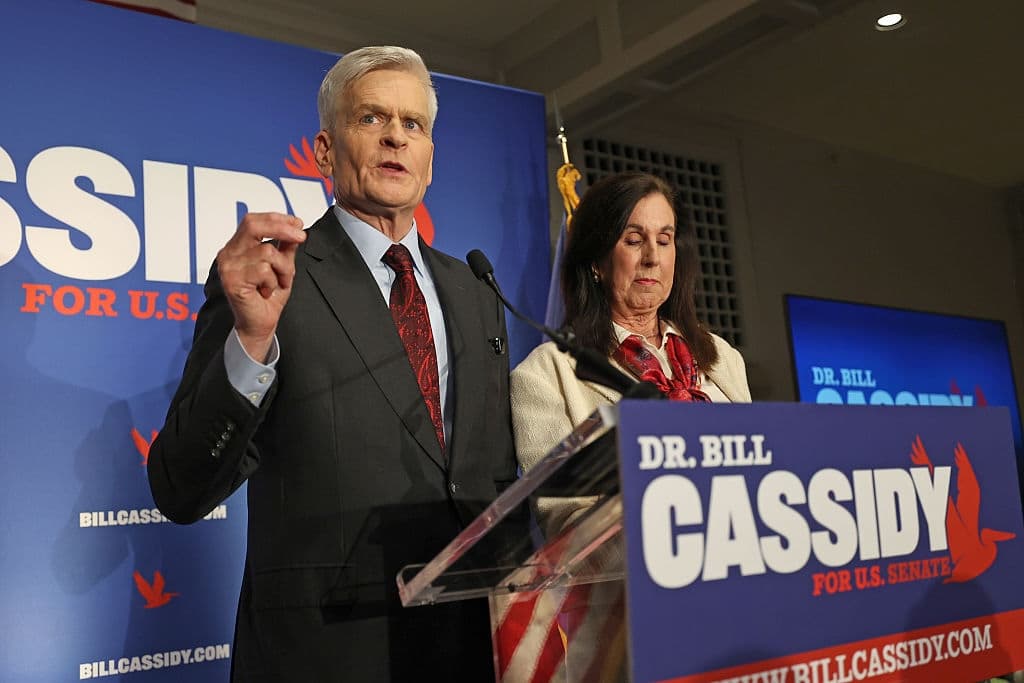
The U.S. Senate advanced a War Powers Resolution this week in a closely divided 50-47 vote, marking a significant moment in the debate over presidential authority in military conflicts. According to the Georgia Recorder, the measure gained crucial Republican support when Sen. Bill Cassidy of Louisiana reversed his previous position, joining three other GOP senators to provide the deciding votes. The resolution seeks to limit military action in Iran without explicit congressional authorization.
Cassidy's flip after seven previous no votes underscores the fractured nature of current congressional consensus on foreign policy. His decision to join Sens. Lisa Murkowski, Susan Collins, and Rand Paul reflects growing concerns among some Republicans about unchecked executive power in military matters. The narrow margin demonstrates how closely divided the chamber remains on questions of constitutional authority and military intervention.
For Georgia's business community, international military engagements carry real economic implications. Defense contractors, logistics firms, and energy-sector companies with supply chains affected by regional instability monitor these congressional actions closely. Uncertainty over Iran policy can influence everything from shipping routes to commodity prices that impact local manufacturers and exporters in the Dalton area.
The War Powers Resolution debate reflects broader questions about the balance between executive authority and congressional oversight. As these disputes continue in Washington, Dalton business leaders should remain aware of how geopolitical decisions influence market stability, trade policy, and the regulatory environment affecting operations across multiple industries.