Photo via Fast Company
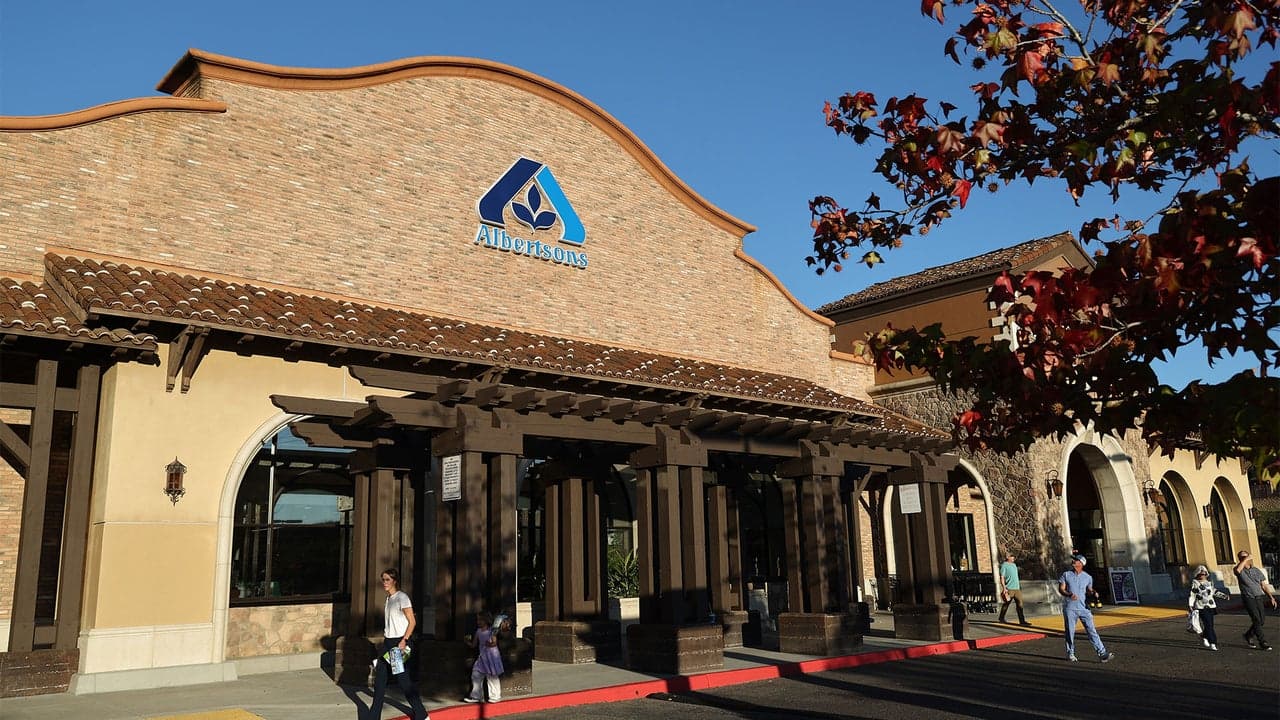
Albertsons Companies is accelerating store closures across its portfolio as it adjusts operations following the December 2024 collapse of its proposed $25 billion merger with Kroger. According to Fast Company's analysis of company filings and local media reports, at least a dozen locations have shuttered or been marked for closure in 2026 alone, spanning chains including Safeway, Vons, Acme, Randalls, and Balducci's. The closures primarily affect California and Texas, though locations in New Jersey, Connecticut, Nevada, and Washington, D.C. have also been impacted.
The company had postponed store optimization decisions during the two-year merger negotiation period, but resumed evaluating its footprint after the acquisition was blocked by federal courts. Albertsons stated it is focusing on opening stores in high-demand markets while closing select underperforming locations, with management pledging to relocate affected employees to nearby stores where possible. However, the company has not disclosed total expected closures for the year or potential job losses.
Albertsons faces significant headwinds beyond store closures. The grocer reported a $481 million net loss in its most recent quarter, largely due to a $774 million opioid settlement with its pharmacy operations. Core identical sales growth remains sluggish at 2 percent, though digital sales grew 21 percent—reflecting industry-wide shifts in consumer shopping behavior and increased competition from Walmart, Costco, and Amazon.
Despite current challenges, Albertsons management expects a net positive store count by the end of fiscal 2027, signaling confidence in long-term viability. The broader grocery sector faces mounting pressure from big-box retailers and e-commerce platforms, a dynamic that motivated the Kroger merger attempt. For Dalton-area business observers, these consolidation pressures underscore structural changes reshaping retail and supply chain dynamics nationwide.