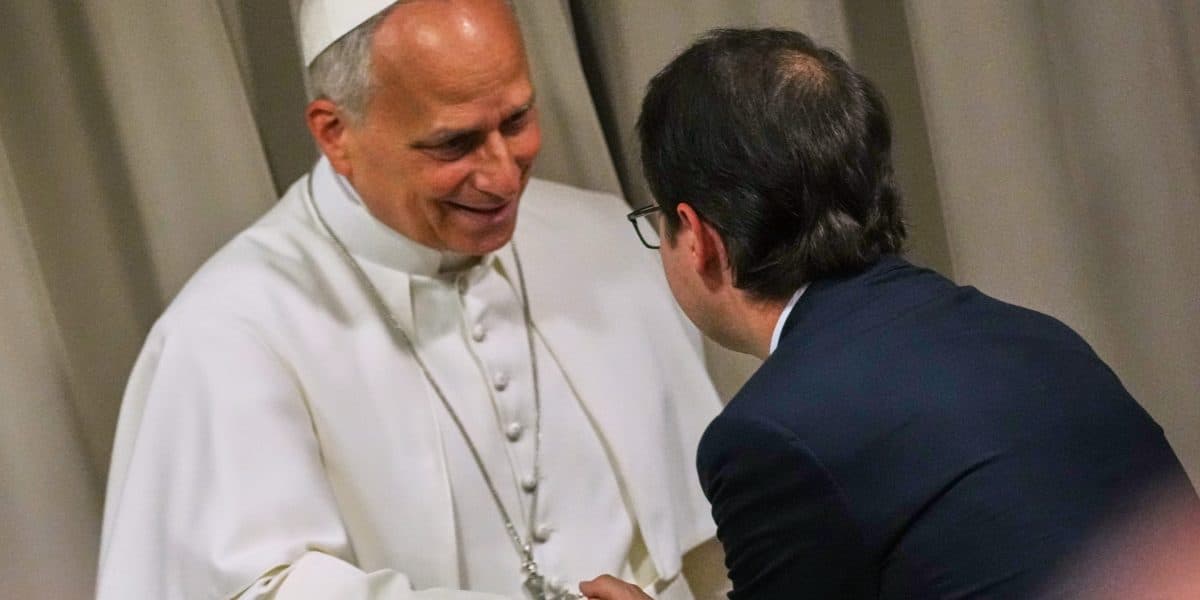
Photo via Fortune
In a significant moment for the global technology industry, Pope Leo released his first encyclical, 'Magnifica Humanitas,' which directly addressed artificial intelligence's potential for harm. According to Fortune, the papal document described AI as potentially functioning as an 'instrument of domination, exclusion and death'—language that signals the Vatican's deep concerns about how rapidly advancing technology could reshape society. The encyclical was strategically released on the 135th anniversary of 'Rerum Novarum,' a landmark papal letter addressing labor rights during the First Industrial Revolution.
The timing and content of Leo's statement carry particular significance for technology companies navigating ethical deployment of AI systems. According to the source article, major AI firms including Anthropic were present during the Vatican's discussions on these matters. This engagement suggests that leading tech companies are beginning to recognize the need for dialogue with institutional voices about responsible AI development and deployment.
For Dalton-area business leaders, particularly those in manufacturing and logistics who are increasingly adopting automation and AI technologies, the Pope's concerns underscore an important reality: technological advancement cannot occur in a vacuum. The encyclical's emphasis on preventing 'exclusion' speaks to workforce displacement risks that many regional industries are grappling with as they modernize operations. Companies must balance efficiency gains with community responsibility.
As artificial intelligence continues reshaping industries nationwide, businesses in Dalton would be wise to consider both the technological and ethical dimensions of AI adoption. The Pope's intervention suggests that stakeholders—from workers to religious institutions to the broader public—expect tech companies to demonstrate commitment to human dignity alongside innovation. How local companies navigate these expectations may influence their long-term reputation and workforce relationships.


