Photo via Inc.
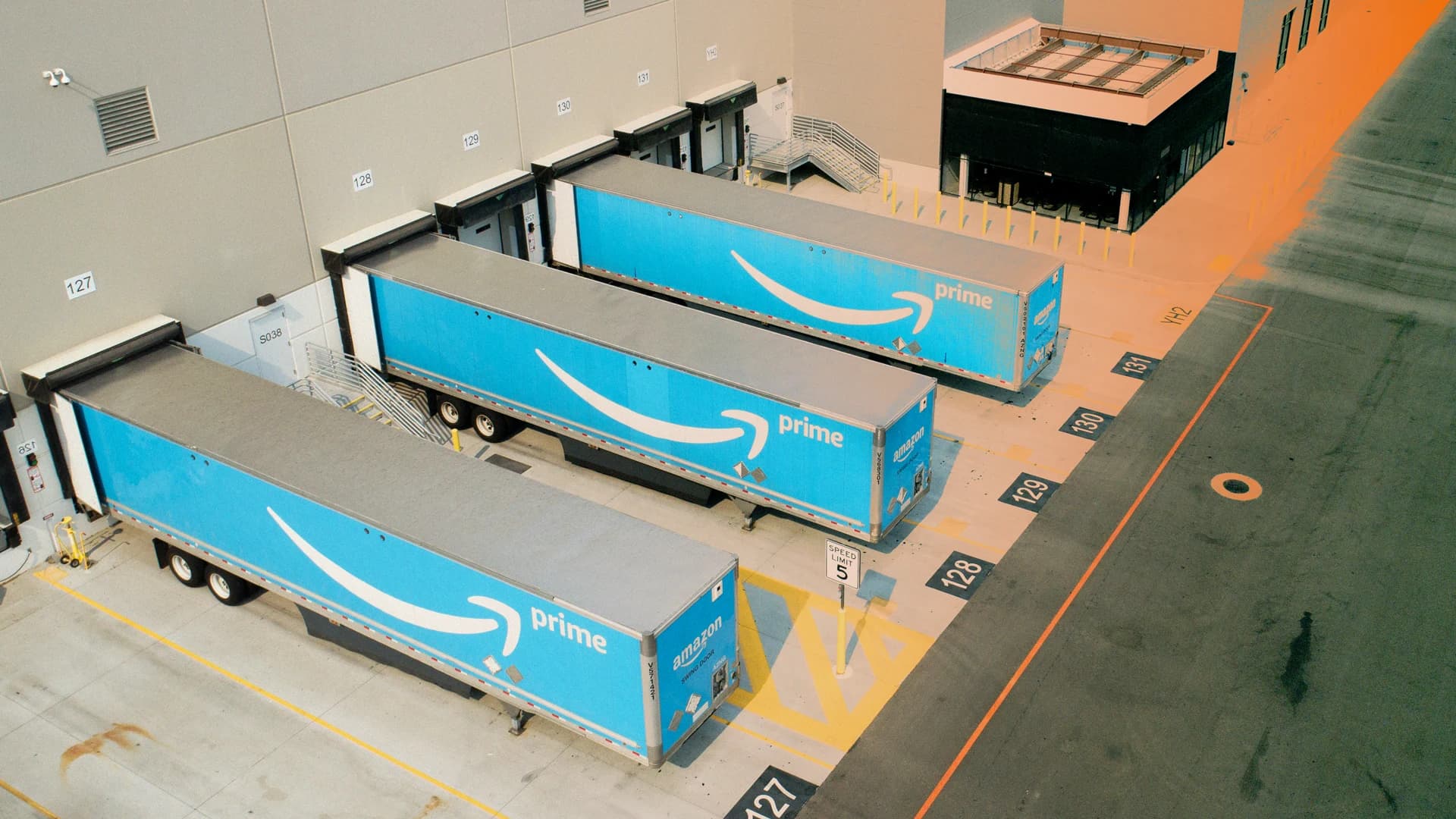
According to Inc., Amazon is taking a significant step by making its proprietary delivery network available to external businesses and retailers. This strategic shift marks a departure from the company's traditional model of keeping competitive advantages closely guarded, signaling confidence in the scale and efficiency of its logistics operations.
For businesses in the Dalton area—particularly those in manufacturing, carpet production, and regional distribution—this development presents both opportunities and challenges. Amazon's network has become one of the most sophisticated in North America, and access to it could enable smaller regional companies to compete on delivery speed without building their own infrastructure from scratch.
The move is expected to pressure traditional shipping and logistics providers, including UPS, FedEx, and regional carriers, to reassess their service offerings and pricing strategies. Companies that have relied on standard shipping timelines may need to adapt quickly or risk losing customers to faster alternatives powered by Amazon's network.
Retailers across all sectors will likely need to evaluate their supply chain strategies in response. The democratization of Amazon's logistics capabilities could fundamentally alter competitive dynamics, forcing businesses to consider how they can differentiate through service quality, pricing, or other means as delivery speed becomes increasingly commoditized.