Photo via Inc.
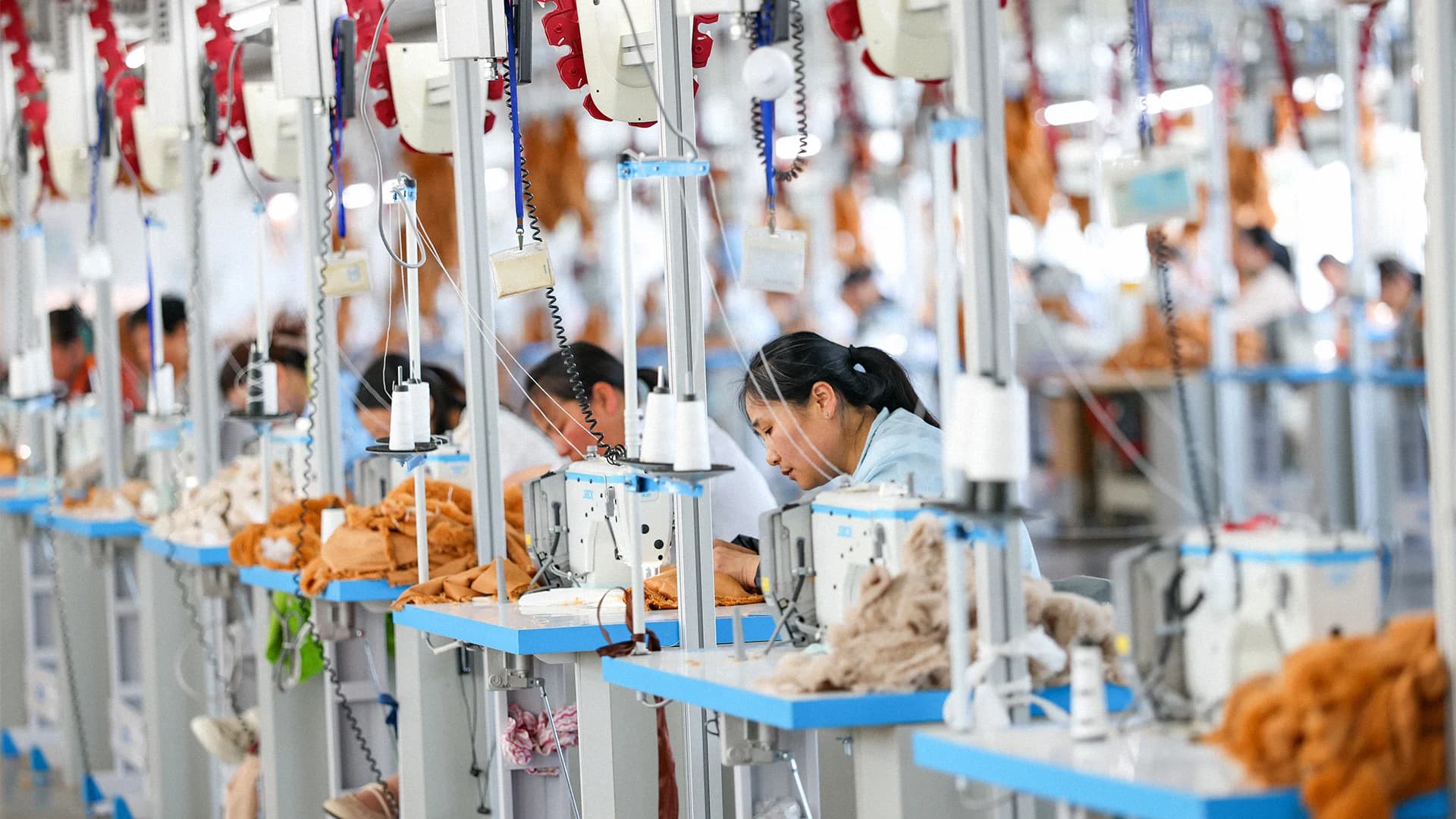
U.S. manufacturers exploring supply chain diversification strategies face a new obstacle: restrictive Chinese regulations designed to penalize companies abandoning the country. According to Inc., Beijing has implemented rules specifically targeting foreign firms seeking to move production elsewhere to circumvent American tariffs. For Dalton-area manufacturers in carpet, flooring, and related industries that rely on global supply chains, understanding these regulatory shifts is critical.
The regulations create what experts describe as a 'supply chain trap'—companies attempting to execute exit strategies risk triggering extensive legal investigations and potential asset freezes in China. These penalties can extend beyond the relocating company to impact operations, contracts, and financial holdings. The legal complexity adds significant risk to what manufacturers expected to be straightforward relocation decisions.
For Northwest Georgia manufacturers and distributors, the implications are substantial. Companies currently operating in China or maintaining significant supply relationships there must reassess their geographic diversification plans. Legal consultation and compliance review should precede any production shifts to ensure existing Chinese operations and partnerships don't inadvertently trigger investigation or sanctions.
As trade tensions continue reshaping global sourcing decisions, Dalton-area business leaders should consult trade attorneys and logistics experts before committing to supply chain moves. Understanding both U.S. tariff implications and Chinese regulatory responses ensures companies make informed decisions that protect operations, investments, and future growth opportunities across all markets.