Photo via CNBC Business
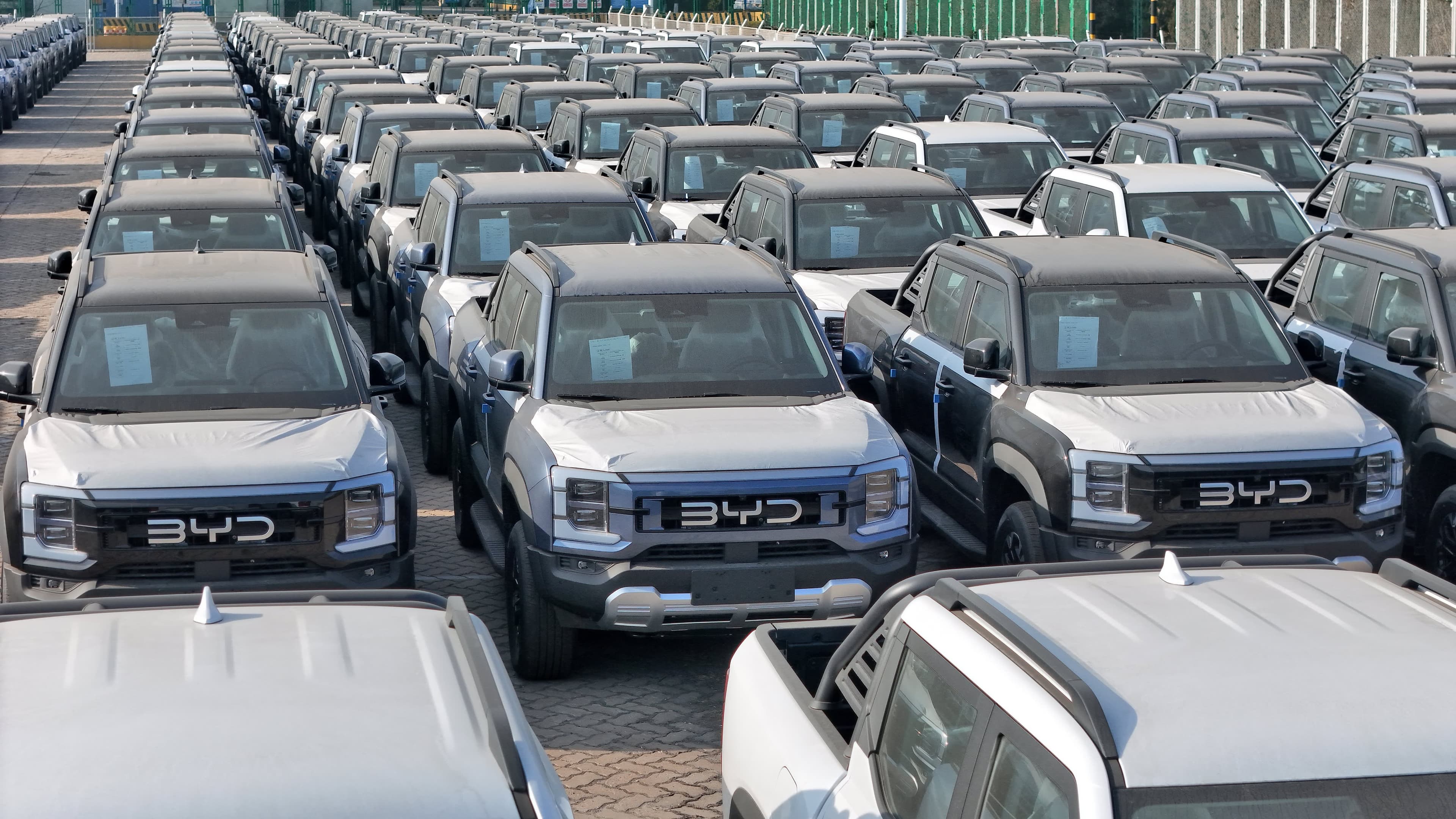
Canada has opened its market to Chinese-manufactured electric vehicles through a new trade agreement permitting 49,000 units annually at a 6.1% tariff rate, according to CNBC Business. This policy shift represents a significant change in North American automotive trade dynamics and signals Canada's willingness to diversify its EV supply sources beyond traditional domestic and U.S. manufacturers.
The tariff structure is notably competitive compared to existing duties on imported vehicles, potentially making Chinese EVs price-attractive to Canadian consumers and retailers. Industry dealers north of the border are reportedly enthusiastic about the opportunity to stock these vehicles, viewing them as a way to expand inventory options and capture price-sensitive market segments seeking affordable electric vehicle alternatives.
For Dalton-area automotive suppliers and logistics companies, this development warrants attention. As trade patterns shift and cross-border vehicle movement increases, regional transportation and warehousing services could see new opportunities supporting the expanded North American EV market. Additionally, suppliers to traditional automakers may need to assess how increased competition from Chinese manufacturers could affect their customer relationships and production volumes.
The broader implications extend to U.S. automotive interests, which have historically relied on limited competition in the North American market. Industry observers should monitor whether this Canadian precedent influences U.S. trade policy and tariff structures, as such changes could eventually affect domestic vehicle pricing, dealer networks, and the competitive landscape for regional automotive businesses.