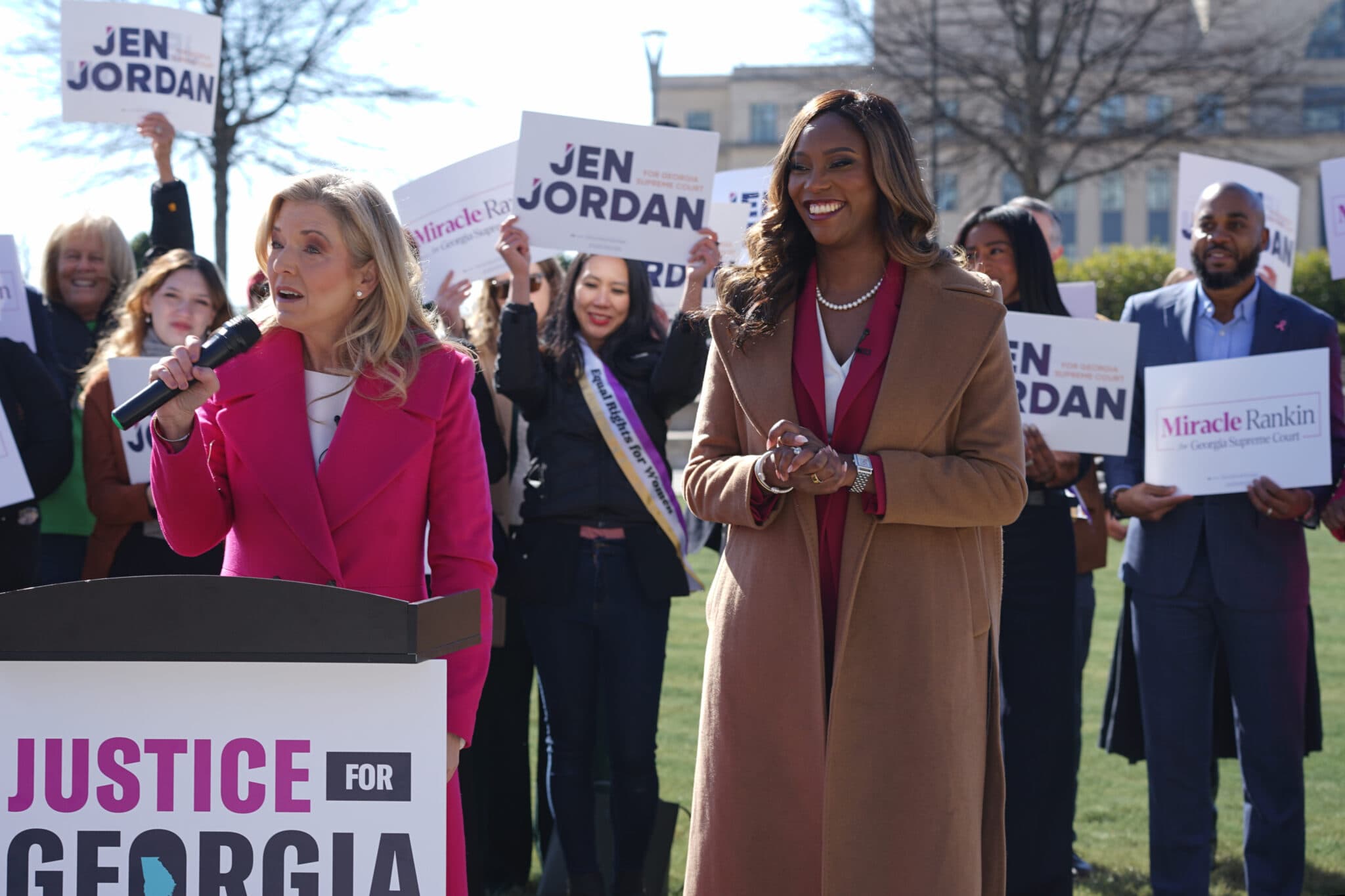
Photo via Georgia Recorder
The Congressional Black Caucus and NAACP have launched a coordinated campaign urging athletes and supporters to boycott public universities across the South, according to Georgia Recorder. The effort targets what these organizations characterize as partisan redistricting practices by Republican-led state legislatures, using college sports as leverage for political change.
House Minority Leader Hakeem Jeffries and fellow caucus members have specifically criticized legislation establishing a national framework for college athletic governance. The organizations view the redistricting measures as threatening voting rights protections and representation for minority communities throughout Southern states, including Georgia.
For Dalton-area business leaders and residents, this development carries implications for local higher education institutions and their role in the regional economy. Universities serve as anchors for community development, workforce training, and athletic tourism revenue—factors that could be affected by boycott campaigns.
The proposal underscores the intersection of political activism, sports, and institutional management in the South. As the situation develops, local stakeholders should monitor how major universities respond and whether the boycott gains meaningful traction among athletes and supporters in the coming months.