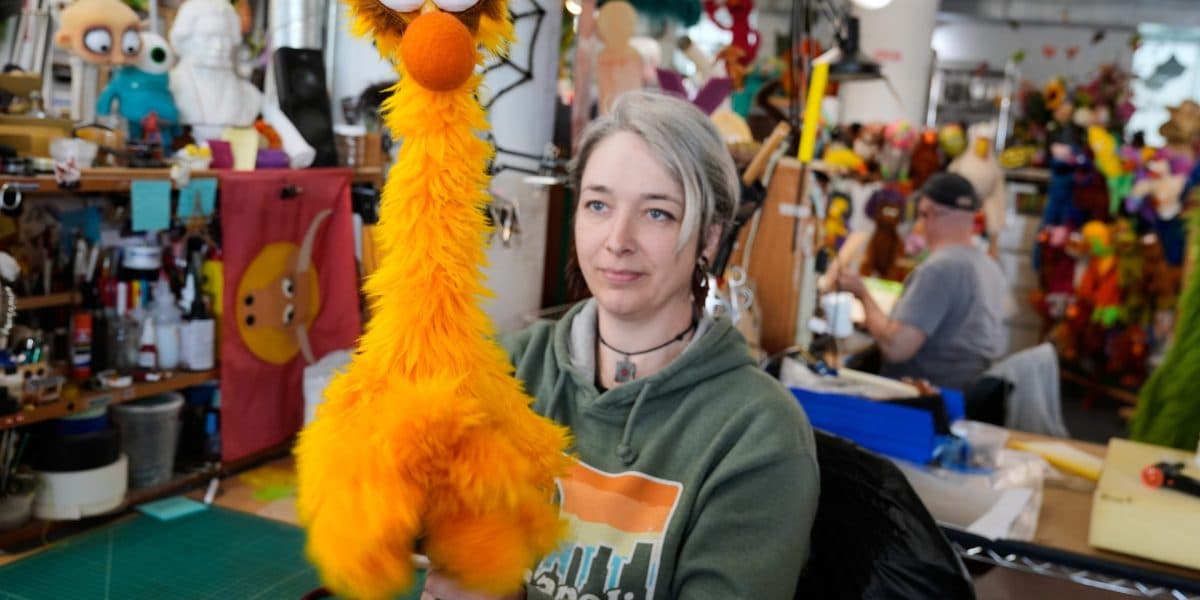
Photo via Fortune
For nearly 60 years, the Jim Henson Creature Shop maintained deliberate secrecy about its operations, keeping its doors firmly closed to the public. According to Fortune, this legendary creative facility has been the birthplace of iconic Muppet characters since the 1960s, working largely unknown to audiences who enjoyed the finished products on screen. The shop's privacy policy reflected both the artistic process preferences of Jim Henson and the company's desire to maintain creative control over its intellectual property.
The decision to open the Creature Shop to visitors marks a significant shift in the company's approach to transparency and audience engagement. Beginning with Saturday-only tours, the facility is now inviting the public to witness the intricate craftsmanship involved in puppet creation and character design. This move represents a calculated balance between protecting proprietary techniques and capitalizing on consumer interest in the creative process behind beloved entertainment properties.
Access to the facility comes with strategic limitations designed to protect sensitive operations. Photography is restricted beyond the first room, ensuring that advanced techniques and works-in-progress remain confidential while still allowing visitors meaningful exposure to the shop's work. These measured boundaries demonstrate how established creative enterprises can leverage public interest while maintaining operational security.
The Creature Shop's transition from complete obscurity to selective public access illustrates broader trends in entertainment and creative industries. As audiences increasingly seek authentic behind-the-scenes experiences, companies are discovering that controlled transparency can enhance brand loyalty and differentiate their offerings in competitive markets. For creative professionals and entrepreneurs, the shop's strategy offers valuable lessons in managing intellectual property while building deeper connections with audiences.