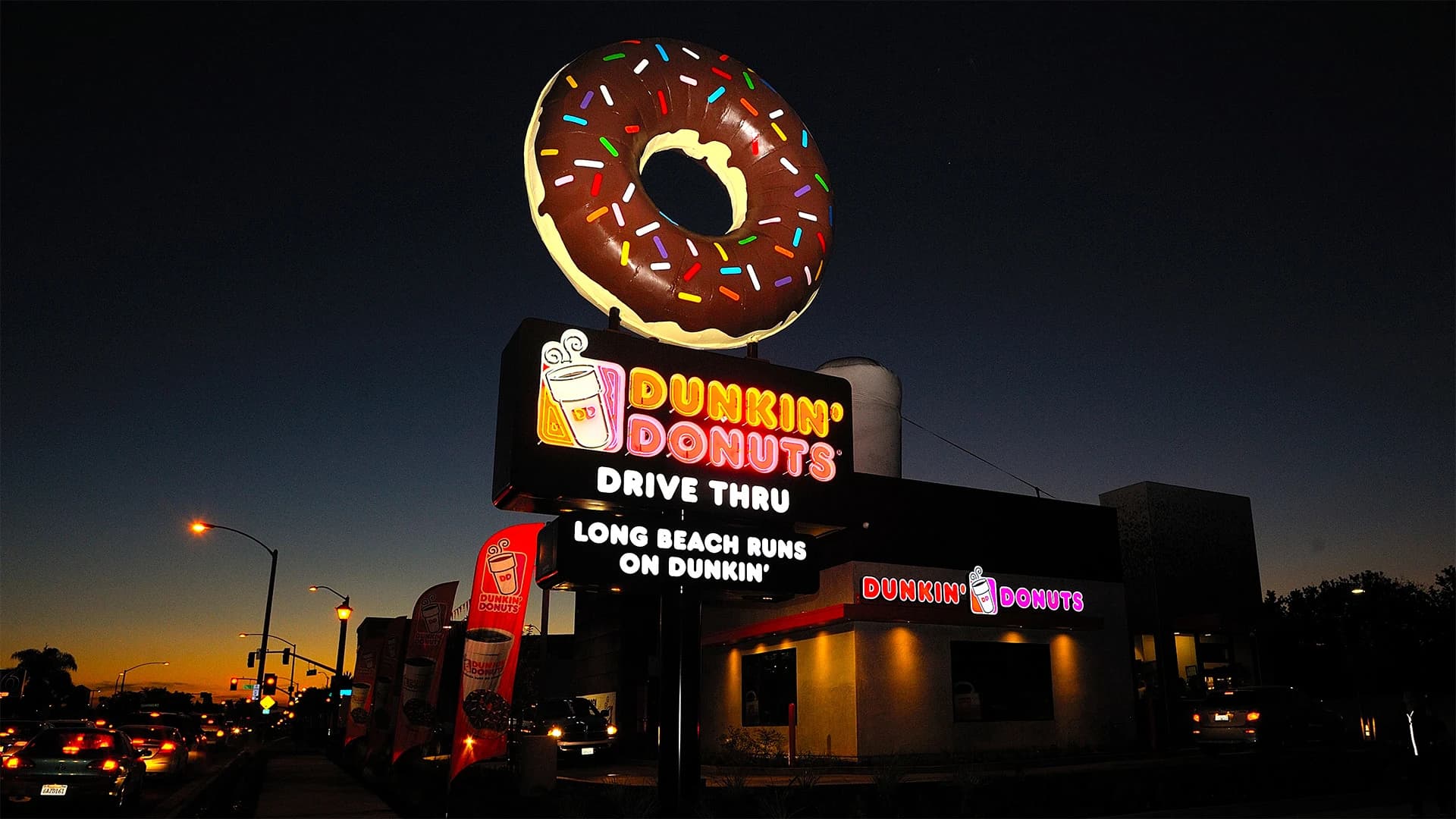
Photo via Inc.
Dunkin', one of America's largest quick-service restaurant chains, is moving forward with plans to go public again, according to reporting from Inc. The move is part of a broader $20 billion shake-up in the fast-food industry that will reshape how major brands operate and finance their growth. For Dalton-area franchise owners and investors with stakes in QSR operations, this development underscores the evolving nature of restaurant finance and corporate strategy.
The primary driver behind Dunkin's public return is debt reduction. The company has accumulated substantial acquisition-related debt that management believes will be better managed through a public capital structure. This reflects a broader trend among mature quick-service brands seeking to refinance and restructure after years of aggressive expansion and consolidation. The move signals that even established restaurant operators must continuously adapt their financial strategies to remain competitive.
A return to public markets would expose Dunkin' to greater scrutiny from institutional investors and require enhanced transparency around franchisee performance, supply chain efficiency, and same-store sales metrics. For franchise partners and suppliers in the Southeast, this could mean more stringent reporting requirements and performance expectations flowing through the franchise network. It also opens opportunities for investors to participate in a major brand's stock performance.
The broader $20 billion restructuring suggests consolidation and strategic repositioning across the fast-food sector. Restaurant industry observers will monitor whether this IPO marks the beginning of similar moves by competitors, potentially reshaping franchise relationships, marketing strategies, and operational standards across QSR brands serving customers in Georgia and beyond.