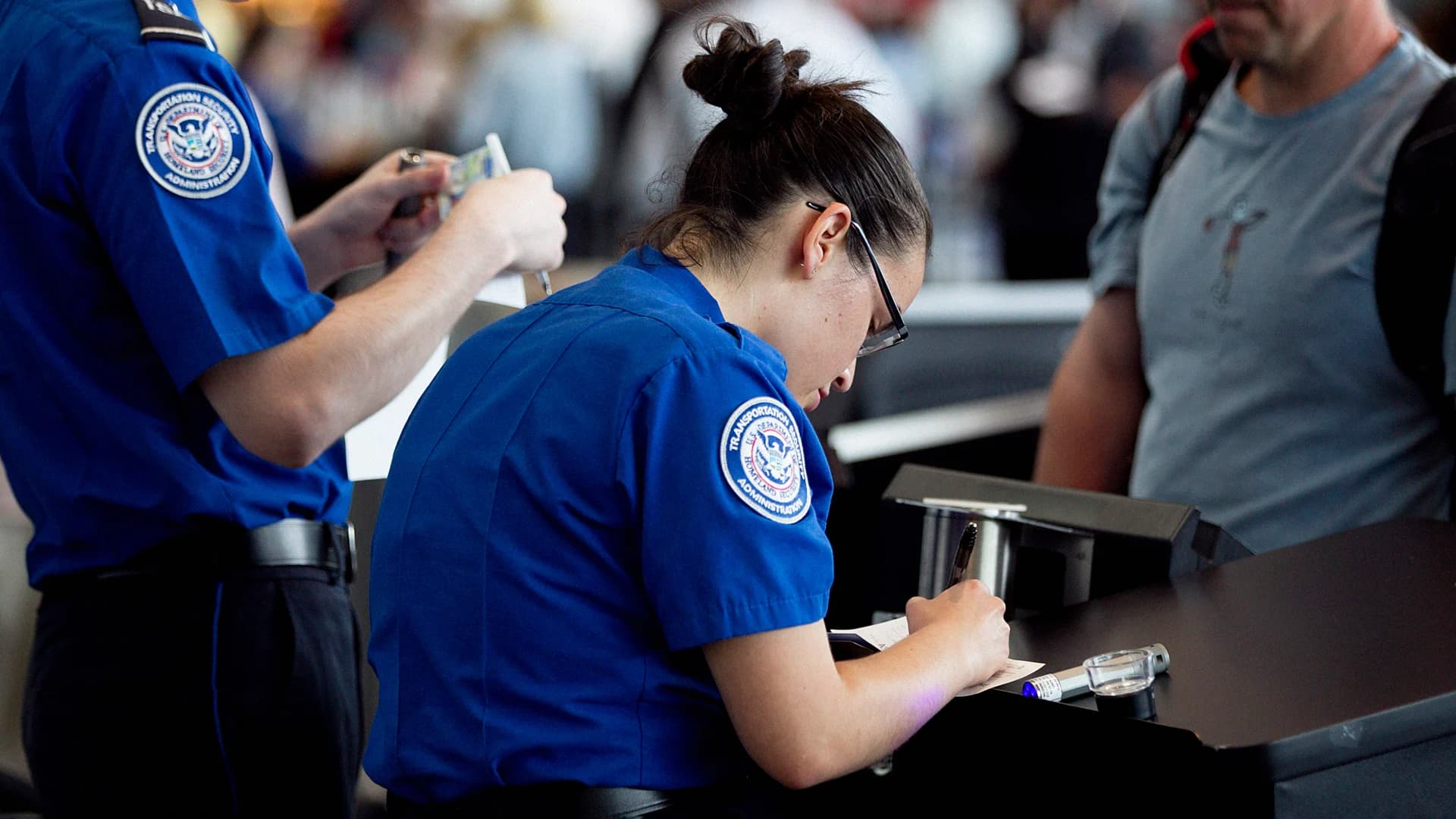
Photo via Inc.
The Federal Aviation Administration is implementing significant workforce changes that will reduce air traffic controller positions by more than 2,000 across the nation. According to Inc., the agency is pursuing this reduction while simultaneously restructuring work schedules to maintain operational efficiency. This move represents one of the most substantial staffing adjustments in recent FAA history and carries implications for regional airports and aviation-dependent businesses throughout Georgia.
For Dalton's logistics and manufacturing sectors, which rely heavily on efficient air cargo and business travel networks, these changes warrant attention. The Dalton region's position as a hub for carpet manufacturing and distribution means that any disruption to air transportation networks—whether through reduced controller availability or operational delays—could impact supply chain timelines and shipping costs for local companies serving national markets.
The FAA's strategy hinges on implementing streamlined work schedules designed to maximize productivity among remaining staff. The success of this approach remains uncertain, as air traffic control is a highly specialized field where staffing levels directly affect safety protocols and operational capacity. Industry observers are watching closely to see whether the new scheduling model can prevent bottlenecks at major hubs that feed regional airports.
Business leaders in the Dalton area should monitor how these changes affect regional air service, particularly for companies that depend on timely freight movement and employee travel. Potential delays or reduced availability at Atlanta's Hartsfield-Jackson International Airport—a primary hub for Southeast logistics—could create ripple effects across northwest Georgia's business community.