Photo via Inc.
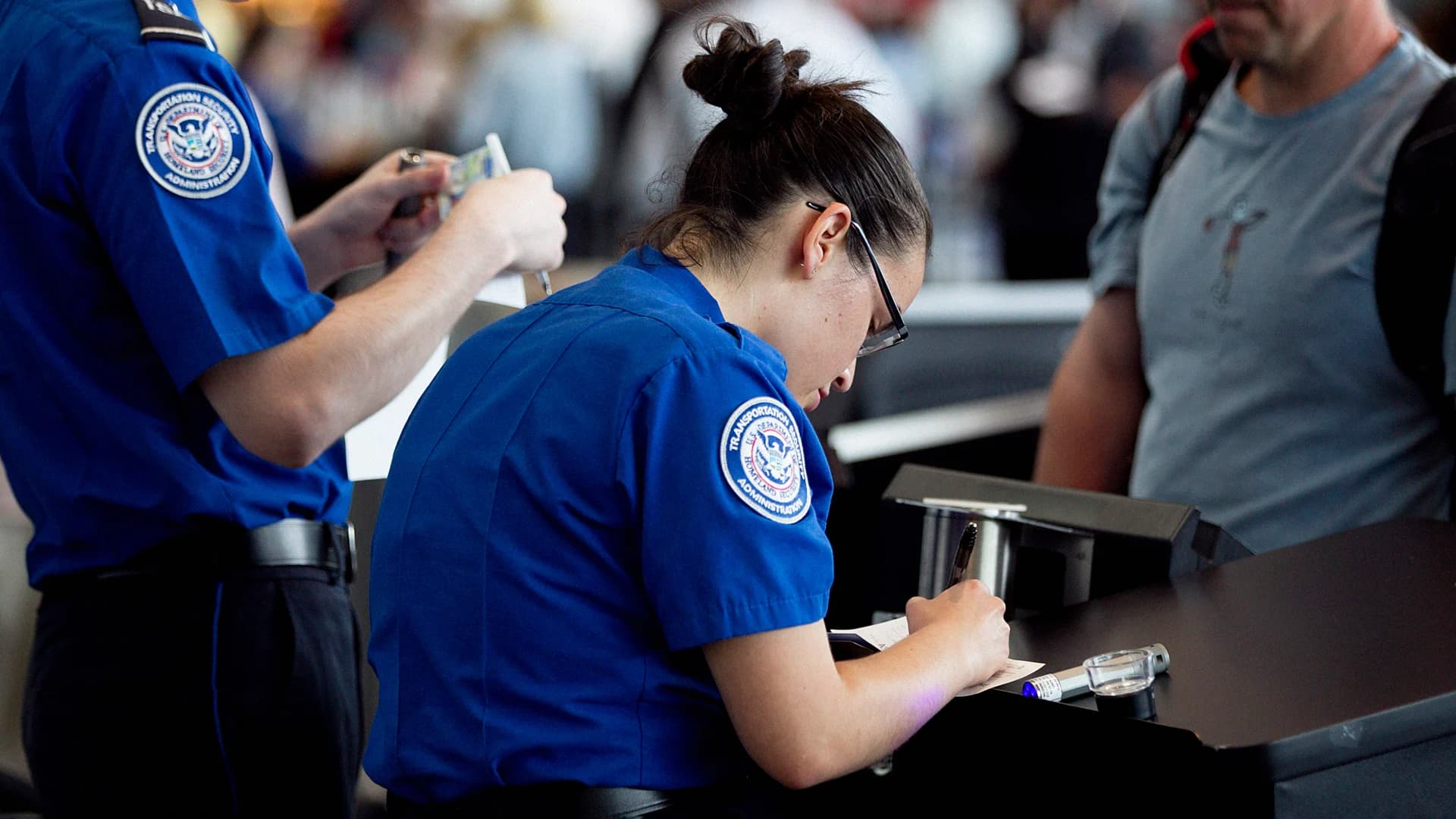
A novel approach to airport operations is launching in Boston this June, with potential implications for how regional transportation hubs might evolve. According to Inc., Delta and JetBlue passengers will soon have the option to complete check-in, baggage drop, and TSA security screening at a remote facility before being shuttled to the airport itself, effectively bypassing traditional terminal lines.
The program represents a significant shift in airport logistics, moving security and passenger processing away from congested airport terminals. For Dalton-area business travelers who regularly use regional airports or connect through major hubs, this model demonstrates how operational efficiency could improve the travel experience across the aviation industry. The remote facility approach reduces bottlenecks that typically occur during peak travel periods.
This innovation carries broader implications for supply chain and logistics professionals. If successful in Boston, the model could be adapted by other airports serving regional markets, potentially improving connectivity for business travelers in Northwest Georgia who depend on reliable air service for corporate travel and client meetings.
As airport operators nationwide explore ways to enhance passenger flow and reduce delays, Dalton business leaders should monitor how these innovations develop. Improved airport efficiency directly impacts business travel productivity and could influence decisions about connecting flights through major regional hubs that serve Georgia.