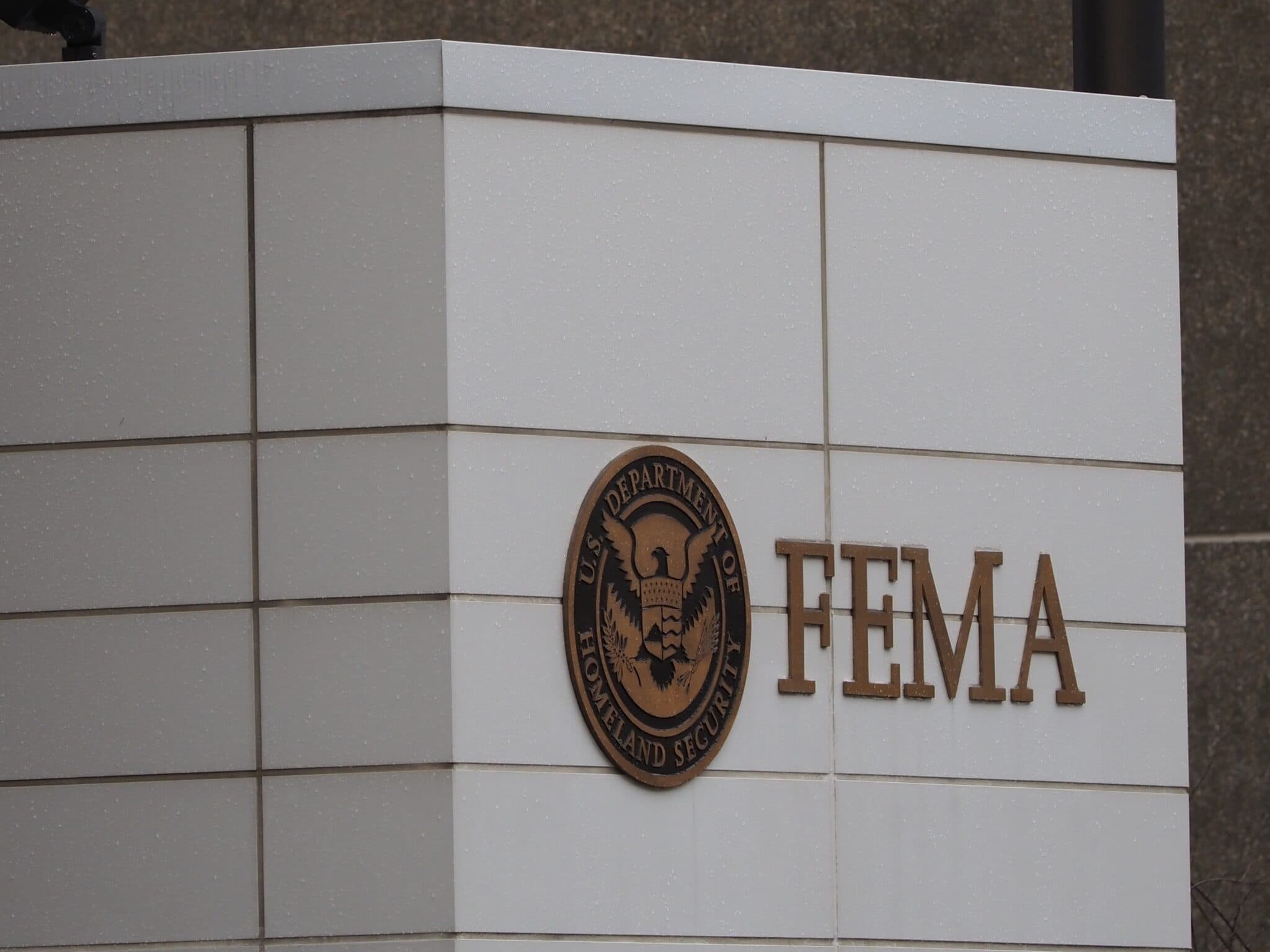
Photo via Georgia Recorder
A newly released report from a Federal Emergency Management Agency review council is recommending a significant restructuring of how the nation handles disaster recovery. According to the Georgia Recorder, the panel—established by the Trump administration—argues that state governments should bear more of the financial and operational burden when natural disasters strike their communities.
For Georgia businesses and local governments in Dalton and surrounding areas, the proposal carries meaningful implications. The shift could reshape how quickly recovery resources reach affected regions and what level of federal support communities can expect following major weather events. This is particularly relevant to Northwest Georgia, which has faced significant weather challenges in recent years.
The review council's recommendations include substantial changes to federal policy, such as restructuring the National Flood Insurance Program and redefining federal assistance mechanisms. These proposals would require congressional action and administrative changes, signaling a broader recalibration of federal-state responsibility in emergency management.
Business leaders and local officials in the Dalton area should monitor how these policy discussions develop. Changes to disaster recovery frameworks could affect business continuity planning, insurance costs, and local government budgeting for emergency preparedness. Stakeholders are encouraged to engage with state representatives about how proposed changes might impact regional economic resilience.