Photo via Georgia Recorder
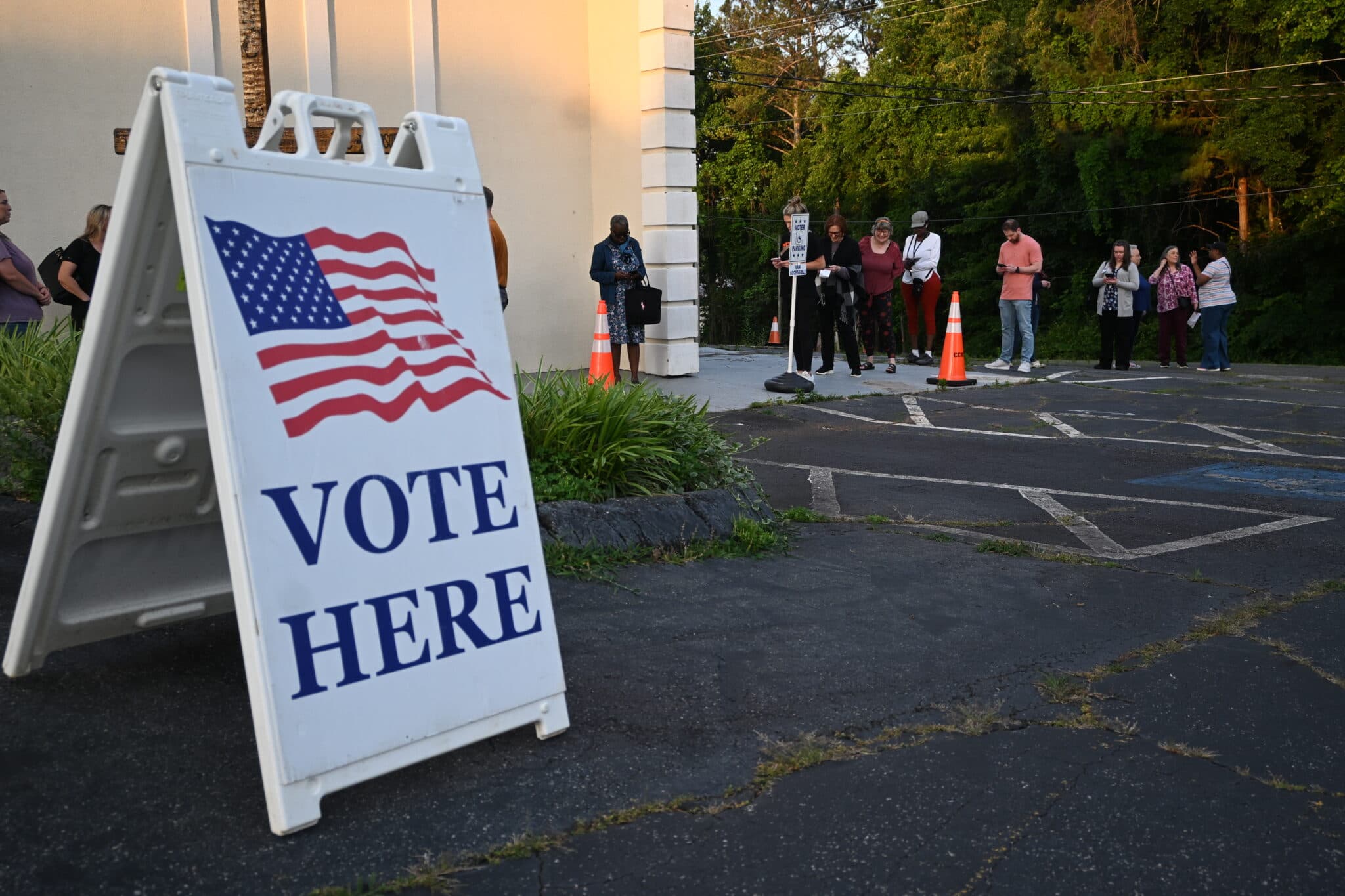
Last week's Georgia primary election revealed notable disparities in voter participation between the two major parties, according to reporting from the Georgia Recorder. Despite the absence of competitive general-election matchups on the ballot, Democratic voters turned out in significantly higher numbers than their Republican counterparts, suggesting potentially shifting dynamics in the state's political landscape as November approaches.
The strong Democratic primary turnout—exceeding 2 million voters statewide—has energized party leadership and raised questions about voter enthusiasm heading into the general election cycle. For Dalton-area business leaders and entrepreneurs, shifts in Georgia's political composition carry direct implications for tax policy, labor regulations, workforce development, and regional economic incentives that shape the business environment.
Election analysts note that primary turnout can be an unreliable predictor of general election outcomes, yet the data point to engaged constituencies on both sides. Businesses in Northwest Georgia should monitor how these political trends influence state legislative priorities around education funding, infrastructure investment, and industry-specific regulations that affect the carpet, logistics, and manufacturing sectors central to Dalton's economy.
As Georgia heads toward November's general election, local business stakeholders may want to assess how potential policy changes could impact their operations. Understanding voter engagement patterns and political momentum helps business leaders anticipate regulatory environments and make informed strategic decisions about expansion, hiring, and capital investment in the coming fiscal year.