Photo via Georgia Recorder
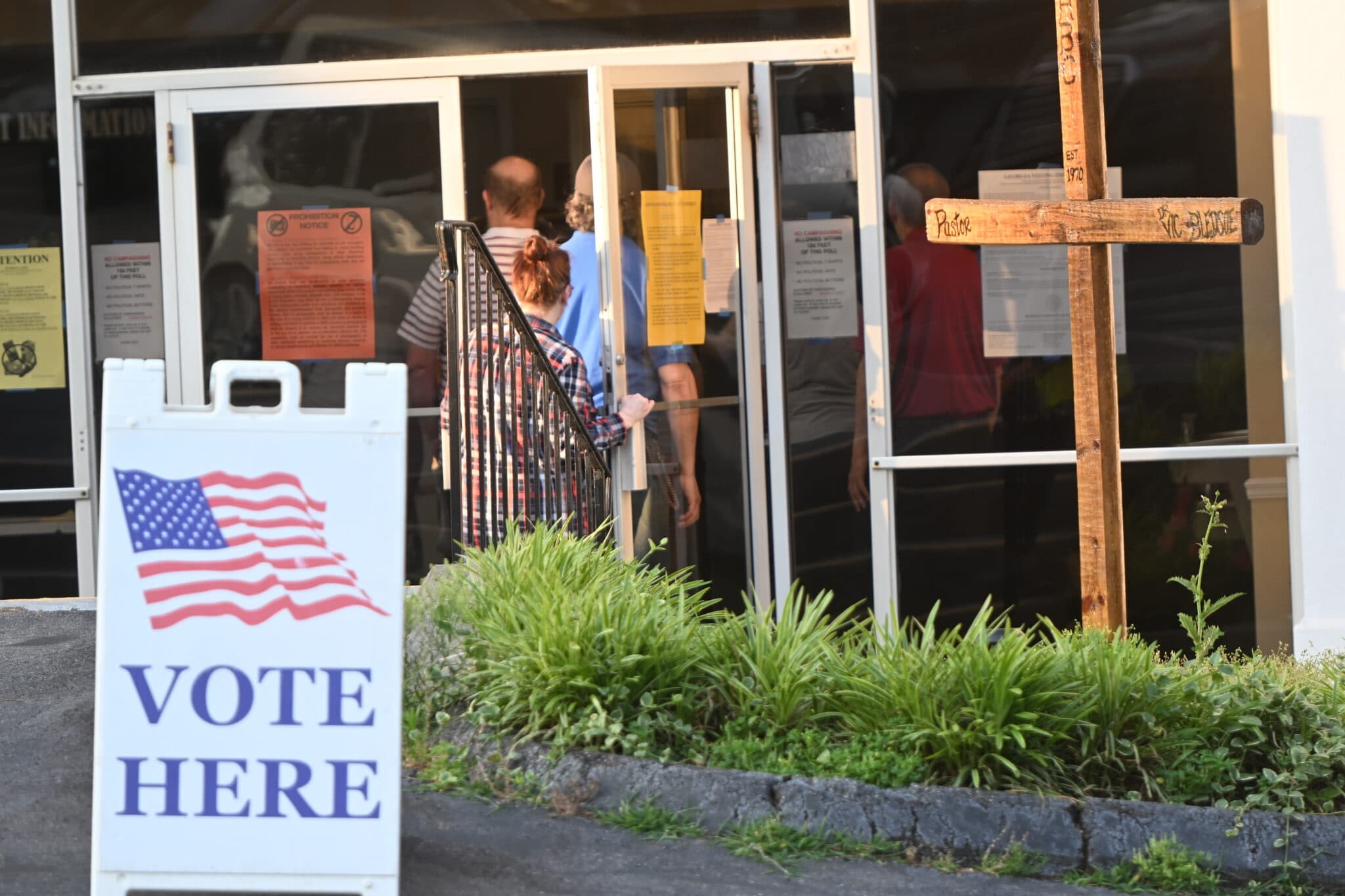
Georgia's election system requires statewide candidates to secure an outright majority of votes to win office, not simply a plurality. According to the Georgia Recorder, Tuesday's election results have triggered multiple runoff contests scheduled for June, meaning the political landscape remains unsettled as candidates continue their campaigns for key positions.
For Dalton-area business leaders, these extended races carry practical implications. Regulatory decisions, tax policy, and economic development initiatives often hinge on who occupies statewide offices. The uncertainty of runoff elections can affect business planning timelines and investment decisions, particularly for companies with operations sensitive to state-level policy changes.
Both Democratic and Republican candidates across multiple statewide offices fell short of the 50% threshold needed for outright victory. This extended campaign season means business organizations should monitor candidate positions on issues critical to Northwest Georgia—including logistics infrastructure, manufacturing support, and workforce development.
Local business leaders may want to engage with candidates during the runoff period to ensure their concerns are heard. Chamber of commerce offices and industry associations can play a key role in educating candidates about Dalton's economic priorities and connecting them with the business community before voters make their final decisions in June.