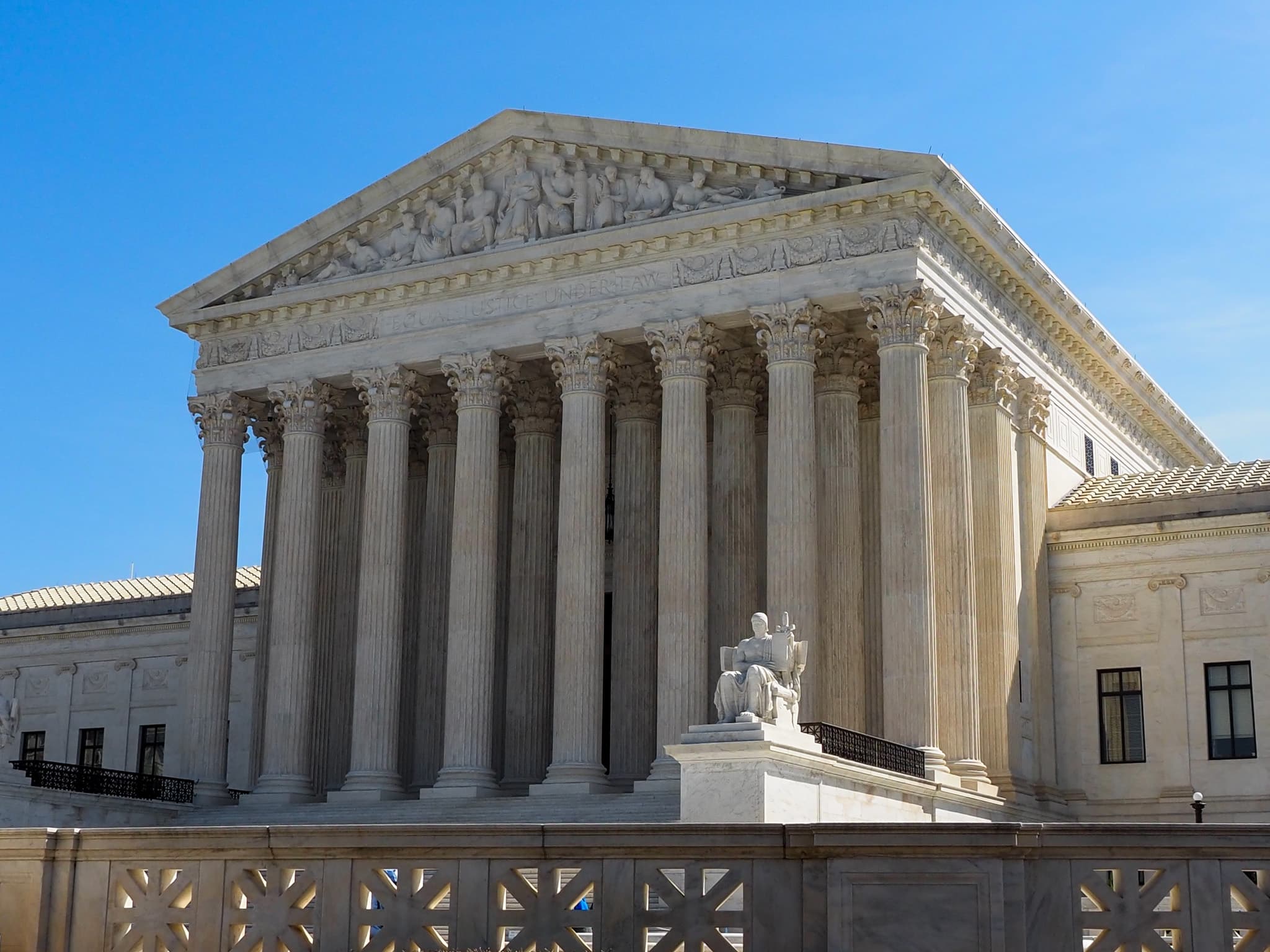
Photo via Georgia Recorder
The partisan divide over the future of the U.S. Supreme Court intensified this week as House Republicans firmly rejected Democratic proposals to expand the court's bench. According to the Georgia Recorder, the clash stems from frustration among some Democrats over the court's conservative majority and recent rulings that have disappointed liberal lawmakers. The debate underscores deeper tensions about judicial independence and the politicization of the nation's highest court.
At the heart of the controversy are landmark decisions like Louisiana v. Callais, which significantly altered federal voting rights protections. Republicans argue that court expansion would constitute a dangerous power grab that undermines institutional integrity, while Democrats contend that the current conservative majority has shifted too far from mainstream American values. For Georgia business leaders, the outcome of this debate could influence how federal courts handle regulatory matters, labor disputes, and corporate governance issues.
The Supreme Court's composition directly affects business operations across sectors relevant to Northwest Georgia, from carpet manufacturing and logistics to healthcare and financial services. Decisions on regulatory overreach, worker classification, and commerce regulations have immediate consequences for employers in the region. The uncertainty surrounding potential court restructuring adds another variable for companies already navigating complex federal compliance requirements.
As this political standoff continues in Washington, Dalton-area business leaders should monitor how the debate evolves. Whether the court remains at nine justices or expands could shape litigation strategy, regulatory risk assessment, and long-term business planning. Understanding these judicial dynamics helps informed decision-making in an increasingly complex legal and regulatory environment.