Photo via Entrepreneur
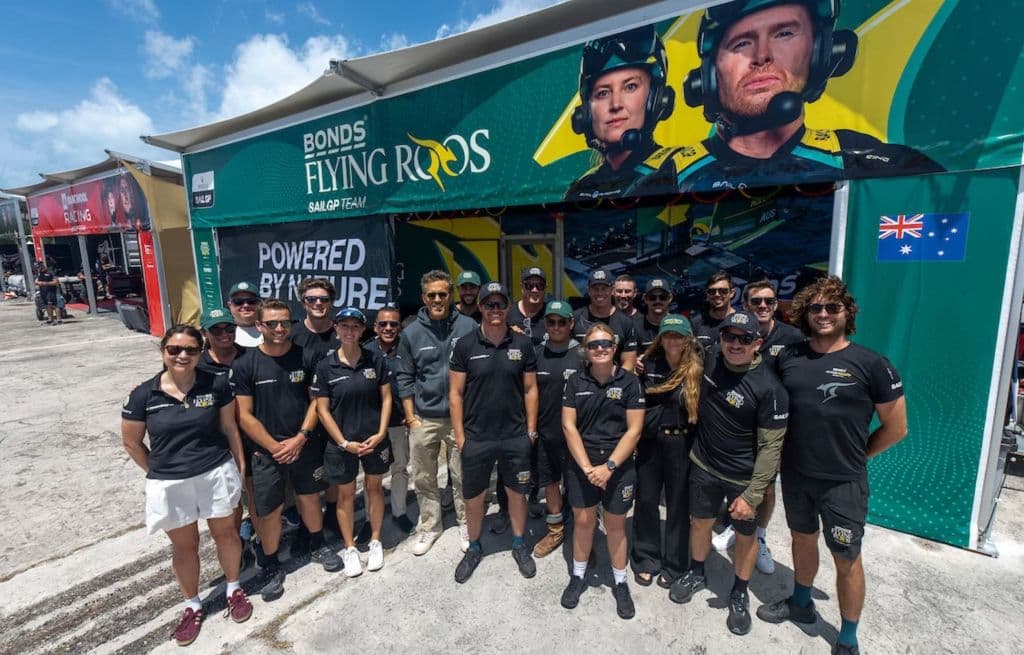
The SailGP professional sailing championship, which counts actor Ryan Reynolds among its Australian team co-owners, operates one of sports' most complex logistics networks. According to Entrepreneur, the organization orchestrates the movement of 115 shipping containers and more than 1 million kilograms of equipment and cargo between international race events on a demanding schedule. For Dalton-area logistics and supply chain professionals, the operation offers a real-world case study in coordinating global asset movement under extreme time constraints.
What makes SailGP's logistics particularly challenging is the need to transport specialized racing vessels, support equipment, and crew supplies across multiple continents while maintaining strict race-day deadlines. Unlike traditional freight operations with flexible delivery windows, each missed connection threatens a team's competitive standing. The organization must balance cost efficiency with reliability—a principle that resonates across Dalton's transportation and logistics sectors, from carpet manufacturers managing just-in-time inventory to regional distribution hubs coordinating multi-state shipments.
SailGP's approach highlights the importance of integrated planning across multiple supply chain touchpoints. The operation requires coordination between port authorities, customs agencies, shipping companies, and local logistics providers at each international venue. Supply chain managers in Northwest Georgia—particularly those in transportation and manufacturing sectors—can apply similar cross-functional coordination strategies to strengthen their own operations and reduce bottlenecks.
As global commerce grows increasingly complex, operations like SailGP demonstrate why logistics expertise commands premium value. The championship's success depends on personnel who can anticipate disruptions, optimize routing, and execute flawlessly under pressure. For Dalton businesses competing in supply chain services, these high-profile examples underscore growing market demand for sophisticated logistics talent and innovation.