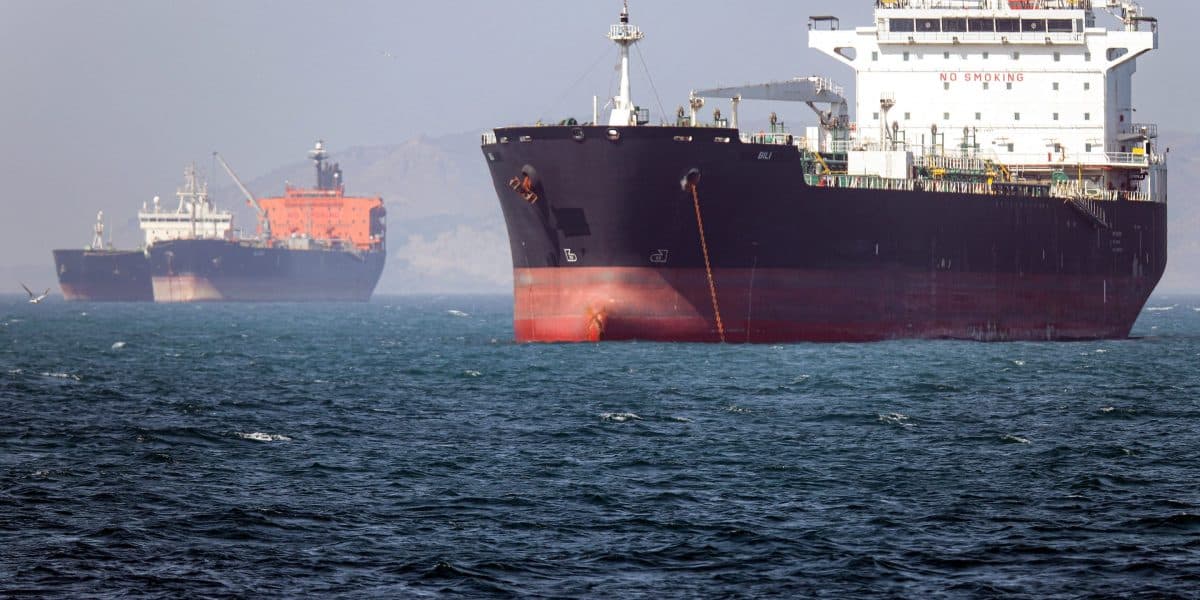
The status of the Strait of Hormuz remains murky as negotiations continue over shipping resumption through one of the world's most critical energy conduits. According to reporting from the New York Times Business section, without a formal agreement in place, companies cannot predict when normal operations will restart or how global energy markets will respond.
For Dalton-area businesses, particularly those in flooring, carpet, and manufacturing sectors that depend on stable energy costs and reliable supply chains, the uncertainty presents real challenges. Energy price volatility directly impacts production costs, transportation expenses, and ultimately the competitiveness of regional exporters who already navigate complex global markets.
The delay in clarifying shipping timelines means logistics providers and manufacturers must plan without critical information about future fuel costs. Companies are unable to finalize pricing agreements with customers or lock in transportation rates, creating operational friction across supply chains that extend well beyond the Middle East.
As details of any potential agreement emerge, Dalton businesses should monitor developments closely. Energy market stabilization will be essential for regional competitiveness, particularly for industries that serve national and international customers. Industry leaders are encouraged to stay informed through their trade associations and logistics partners about how this situation may affect their operations and planning.