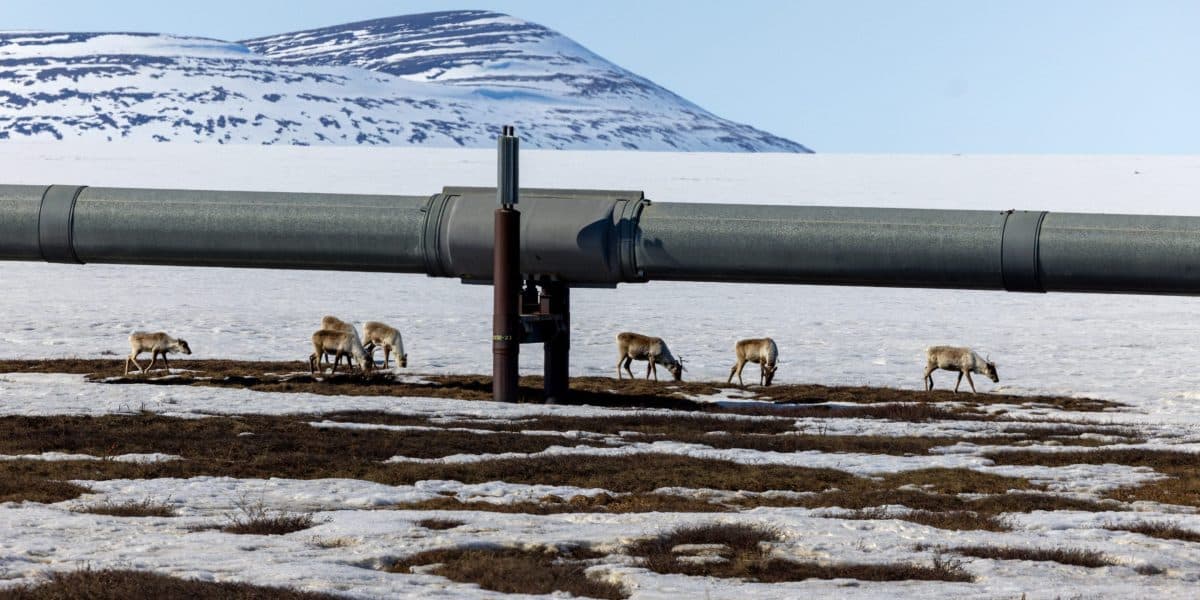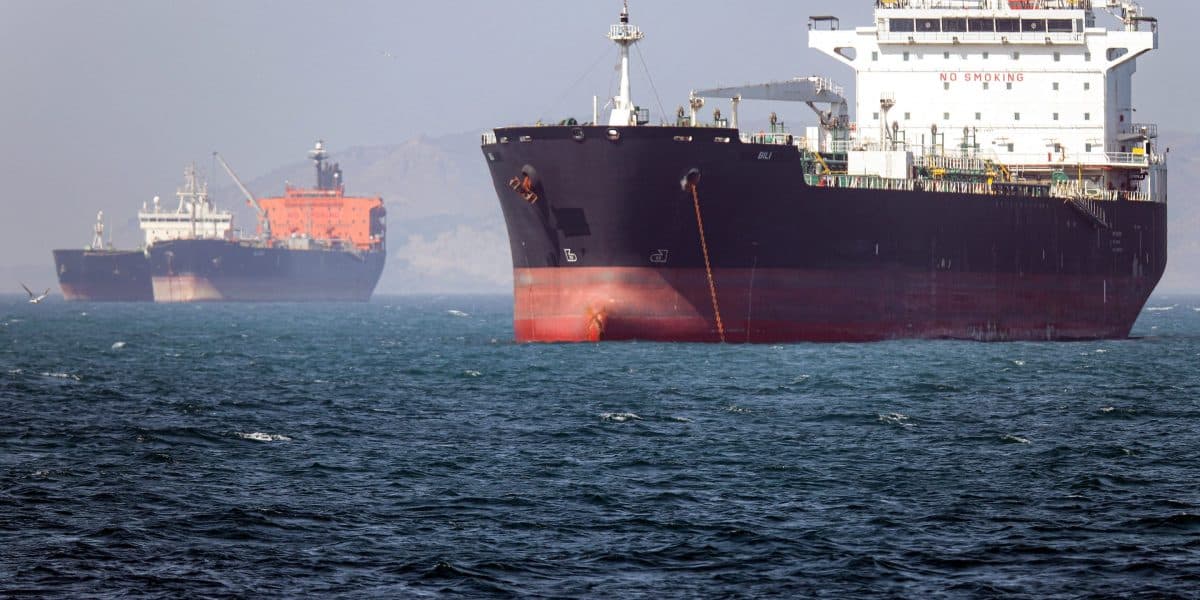
Photo via Fortune
Global energy markets experienced a significant pullback this week as crude oil prices declined in response to diplomatic developments between the United States and Iran. According to Fortune, Brent crude fell as much as 5.2% to $98.12 per barrel, while West Texas Intermediate hovered near $92. The sell-off reflects investor sentiment that negotiations could lead to increased oil supplies from Iran and restored shipping through the Strait of Hormuz.
For Dalton-area businesses, particularly those in the logistics and transportation sectors, fluctuating energy costs directly impact operational expenses and shipping rates. A sustained decline in crude prices could translate to lower fuel surcharges and reduced transportation costs for companies moving goods through the region's supply chains. Fleet operators and logistics providers have closely monitored these developments as energy costs remain a significant line item in their budgets.
The potential reopening of the Strait of Hormuz—one of the world's most critical shipping chokepoints—would normalize global oil flows and reduce geopolitical risk premiums that have kept prices elevated. According to the source, such an agreement would increase available crude supplies and ease concerns about supply disruptions that have plagued markets in recent years.
Business leaders in Dalton should monitor these energy market developments, as shifts in oil prices influence broader economic conditions affecting consumer spending, manufacturing costs, and freight expenses. While immediate impacts remain uncertain pending final agreements, the trend toward lower energy costs could provide a modest tailwind for regional businesses managing transportation and production expenses.