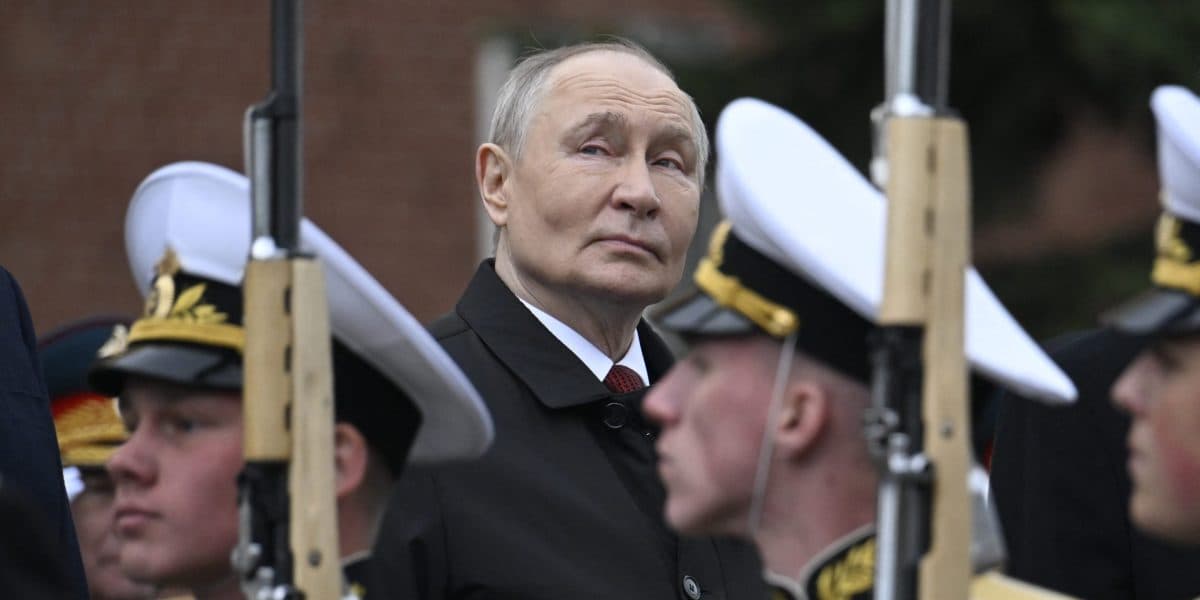
Photo via Fortune
According to Fortune, cracks are widening within Russia's political establishment as prominent former officials openly question the sustainability of the current regime. These statements represent a significant shift in public sentiment among the country's leadership class, suggesting deeper systemic instability that extends beyond typical political discourse.
The exodus of Russian elites and the Kremlin's increased asset seizures underscore a deteriorating climate of trust within the nation's business and governmental circles. When leadership loses confidence in the future direction of their own country, it typically signals economic uncertainty and potential shifts in trade relationships that reverberate across global markets.
For Dalton-area businesses with international supply chains or trade partnerships, political instability in major economies like Russia can create unpredictability in logistics, pricing, and regulatory environments. Companies relying on global commerce should monitor geopolitical developments closely and assess exposure to Russian-linked markets or suppliers.
The broader lesson for regional business leaders is the importance of diversifying international partnerships and maintaining flexibility in supply chain strategies. In an era of increasing geopolitical volatility, building resilience into business operations—rather than depending heavily on single markets or relationships—has become a fundamental risk management priority.